


By Rodney Muhumuza And Ignatius Ssuuna | AP|
KIGALI, Rwanda — Rwanda is preparing to mark the 30th anniversary of the East African nation’s most horrific period in history — the genocide against its minority Tutsi. To this day, new mass graves are still being discovered across the country of 14 million people, a grim reminder of the scale of the killings.
Delegations from around the world will gather on Sunday in the capital of Kigali as Rwanda holds somber commemorations of the 1994 massacres. High-profile visitors are expected to include Bill Clinton, the U.S. president at the time of the genocide, and Israeli President Isaac Herzog.
In a pre-recorded video ahead of the ceremonies, French President Emmanuel Macron said on Thursday that France and its allies could have stopped the genocide but lacked the will to do so. Macron’s declaration came three years after he acknowledged the “overwhelming responsibility” of France — Rwanda’s closest European ally in 1994 — for failing to stop the country’s slide into the slaughter.
Here’s a look at the past and how Rwanda has changed under President Paul Kagame, praised by many for bringing relative peace and stability but also vilified by others for his intolerance of dissent.
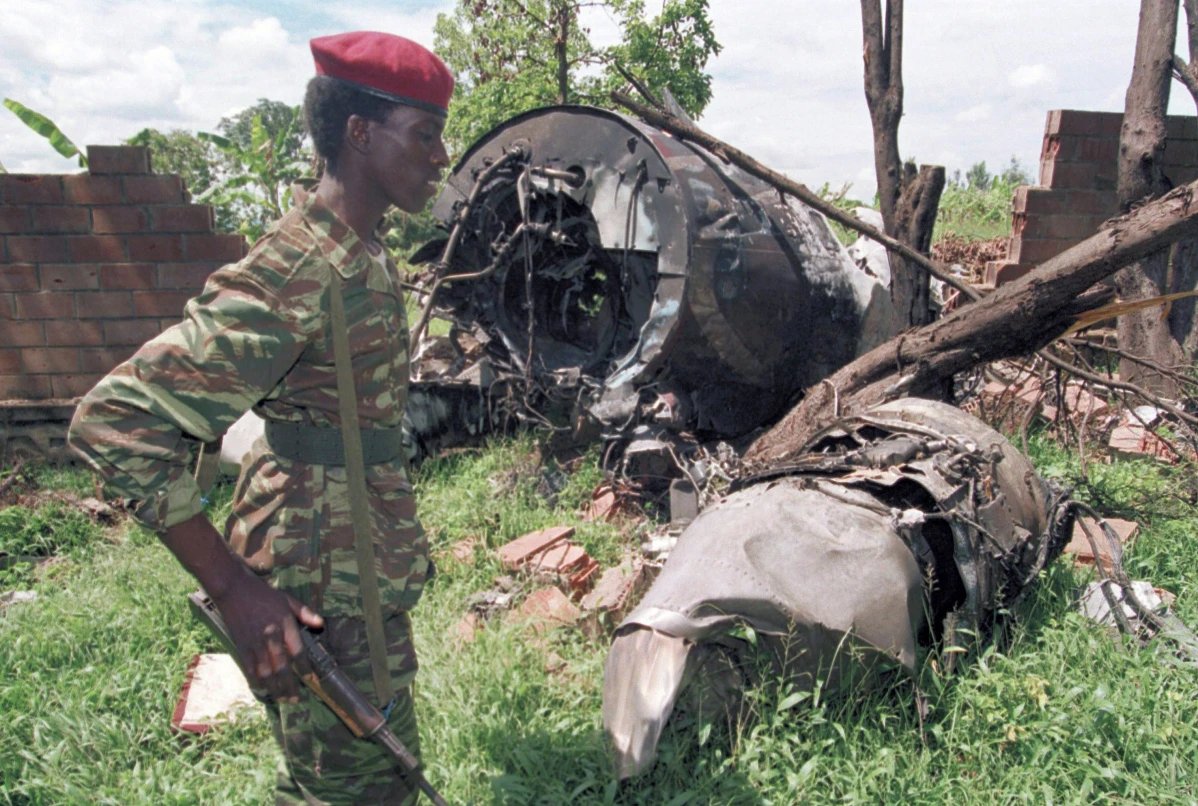
The killings were ignited when a plane carrying then-President Juvénal Habyarimana, a member of the majority Hutu, was shot down on April 6, 1994, over Kigali. The Tutsi were blamed for downing the plane and killing the president. Enraged, gangs of Hutu extremists began killing Tutsi, backed by the army and police.
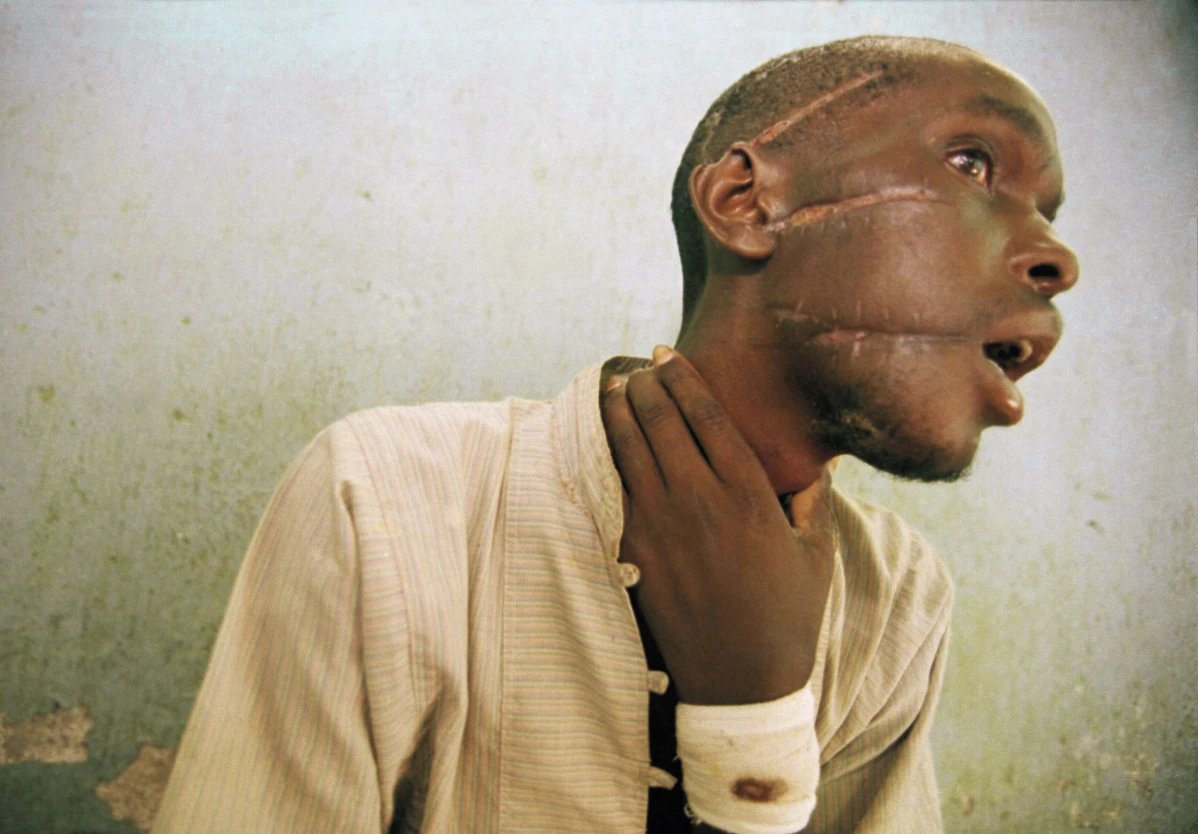
Many victims — including children — were hacked to death with machetes. Kagame’s rebel group, the Tutsi-led Rwandan Patriotic Front, managed to stop the killings, seized power and has since, as a political party, ruled Rwanda.
Kagame’s government and genocide survivor organizations have often accused France of training and arming militias and troops that led the rampage, sometimes saying they expect a formal apology.
A report commissioned by Macron in 2019 and published in 2021 concluded that French authorities failed to see where Habyarimana’s regime, which France supported, was headed and were subsequently too slow to acknowledge the extent of the killings. However, the report cleared France of any complicity in the massacres.
What Came After The Genocide?
After Kagame seized power, many Hutu officials fled into exile or were arrested and imprisoned for their alleged roles in the genocide. Some escaped to neighboring Congo, where their presence has provoked armed conflict. In the late 1990s, Rwanda twice sent its forces deep into Congo, in part to hunt down Hutu rebels.
Some rights groups accused Rwanda’s new authorities of revenge attacks, but the government has slammed the allegations, saying they disrespect the memory of the genocide victims.
Kagame, who grew up as a refugee in neighboring Uganda, has been Rwanda’s de facto ruler, first as vice president from 1994 to 2000, then as acting president. He was voted into office in 2003 and has since been reelected multiple times.
What’s The Political Landscape Like?
Rwanda’s ruling party is firmly in charge, with no opposition, while Kagame’s strongest critics now live in exile. Kagame won the last presidential election, in 2017, with nearly 99% of the vote after a campaign that Amnesty International described as marked by suppression and a “climate of fear.”
Critics have accused the government of forcing opponents to flee, jailing or making them disappear while some are killed under mysterious circumstances. Rights groups cite serious restrictions on the internet, as well as on freedom of assembly and expression.
Some claim Kagame has exploited alleged Western feelings of guilt over the genocide to entrench his grip on Rwanda.
Now a candidate in the upcoming July presidential election, Kagame has cast himself in the role of a leader of a growing economy marked by technological innovation, with his supporters often touting Rwanda as an emerging business hub in Africa.
What About Reconciliation
Rwandan authorities have heavily promoted national unity among the majority Hutu and the minority Tutsi and Twa, with a separate government ministry dedicated to reconciliation efforts.
The government imposed a tough penal code to punish genocide and outlaw the ideology behind it, and Rwandan ID cards no longer identify a person by ethnicity. Lessons about the genocide are part of the curriculum in schools.
However, a leading survivors’ group points out that more needs to be done to eradicate what authorities describe as “genocide ideology” among some Rwandans.
What Does Rwanda Look Like Today?
The streets of Kigali are clean and free of potholes. Littering is banned. Tech entrepreneurs flock here from far and wide. Stylish new buildings give the city a modern look and an innovation center aims at nurturing local talent in the digital culture.
But poverty is rampant outside Kigali, with most people still surviving on subsistence farming. Tin-roofed shacks that dotted the countryside in 1994 remain ubiquitous across Rwanda
The nation is young, however, with every other citizen under the age of 30, giving hope to aspirations for a post-genocide society in which ethnic or tribal membership doesn’t come first.
Corruption among officials is not as widespread as among other governments in this part of Africa, thanks in part to a policy of zero-tolerance for graft.
Are There Troubles On The Horizon?
Though mostly peaceful, Rwanda has had troubled relations with its neighbors. Recently, tensions have flared with Congo, with the two countries’ leaders accusing one another of supporting various armed groups.
Congo claims Rwanda is backing M23 rebels, who are mostly Tutsi fighters based in a remote area of eastern Congo. The M23 rebellion has displaced hundreds of thousands in Congo’s North Kivu’s province in recent years. Rwanda says Congo’s military is recruiting Hutu men who took part in the 1994 massacres.
U.N. experts have cited “solid evidence” that members of Rwanda’s armed forces were conducting operations in eastern Congo in support of M23, and in February, amid a dramatic military build-up along the border, Washington urged Rwandan authorities to withdraw troops and missile systems from Congo.
In January, Burundi, whose troops are fighting alongside the Congolese military in eastern Congo, closed its border with Rwanda and started deporting Rwandans. This happened not long after Burundian President Evariste Ndayishimiye accused Rwanda of backing Congo-based rebels opposed to his government. Rwanda denies the allegation.
Rwanda has also been in the news recently over a deal with Britain that would see migrants who cross the English Channel in small boats sent to Rwanda, where they would remain permanently. The plan has stalled amid legal challenges. In November, the U.K. Supreme Court ruled the plan was illegal, saying Rwanda is not a safe destination for asylum-seekers.








Discussion about this post