
Sunday, May 10, 2026
  • Who’sWho Africa AWARDS
  • About One Africa Magazine
  • Contact Us
www.oneafricamagazine.com
  • Home
  • Magazine
  • News
  • Interviews
  • Sports
  • World News
    • US
    • South America
    • Asia
    • Europe
    • Middle East
    • Australia and Antarctica
  • Crime
  • Politics
  • Lifestyle
  • Column
  • Special Report
  • WHO’SWHO AWARDS
No Result
View All Result
www.oneafricamagazine.com
  • Home
  • Magazine
  • News
  • Interviews
  • Sports
  • World News
    • US
    • South America
    • Asia
    • Europe
    • Middle East
    • Australia and Antarctica
  • Crime
  • Politics
  • Lifestyle
  • Column
  • Special Report
  • WHO’SWHO AWARDS
No Result
View All Result
www.oneafricamagazine.com
No Result
View All Result
  • Home
  • WHO’SWHO AWARDS
  • News
  • Magazine
  • World News

Home » News » World Likely to Overshoot 1.5 °C Climate Target, UN Warns

World Likely to Overshoot 1.5 °C Climate Target, UN Warns

November 5, 2025
in News
0
The Miami Fort Power Station, a coal-fired plant situated along the Ohio River near Cincinnati, Ohio.
Jason Whitman/NurPhoto/AP

The Miami Fort Power Station, a coal-fired plant situated along the Ohio River near Cincinnati, Ohio. Jason Whitman/NurPhoto/AP

Share on FacebookShare on Twitter

The world has failed to meet its main climate change target of limiting the rise in global temperatures to 1.5 °C, and is on track to breach this threshold within the next decade, according to the United Nations Environment Programme (UNEP). The announcement, made in the agency’s latest annual Emissions Gap report, adds urgency ahead of the UN’s COP30 climate summit later this month.

The report cited slow action by countries to reduce planet-heating greenhouse gas emissions, noting that current policies — the measures already in place — would lead to a rise of around 2.8 °C, far above the 1.5 °C limit enshrined in the 2015 Paris Agreement. Even if governments meet their most recent pledges, warming is projected to reach 2.3–2.5 °C. While this is approximately 0.3 °C lower than last year’s UN projection, it shows that new climate plans, including pledges from top CO₂ emitter China, have failed to substantially close the gap.

Lead report author Anne Olhoff said deep emissions cuts implemented immediately could delay the overshoot, “but we can no longer totally avoid it.” UNEP emphasized that reversing the trajectory will be “difficult” and will require faster and larger reductions in emissions to minimize the overshoot.
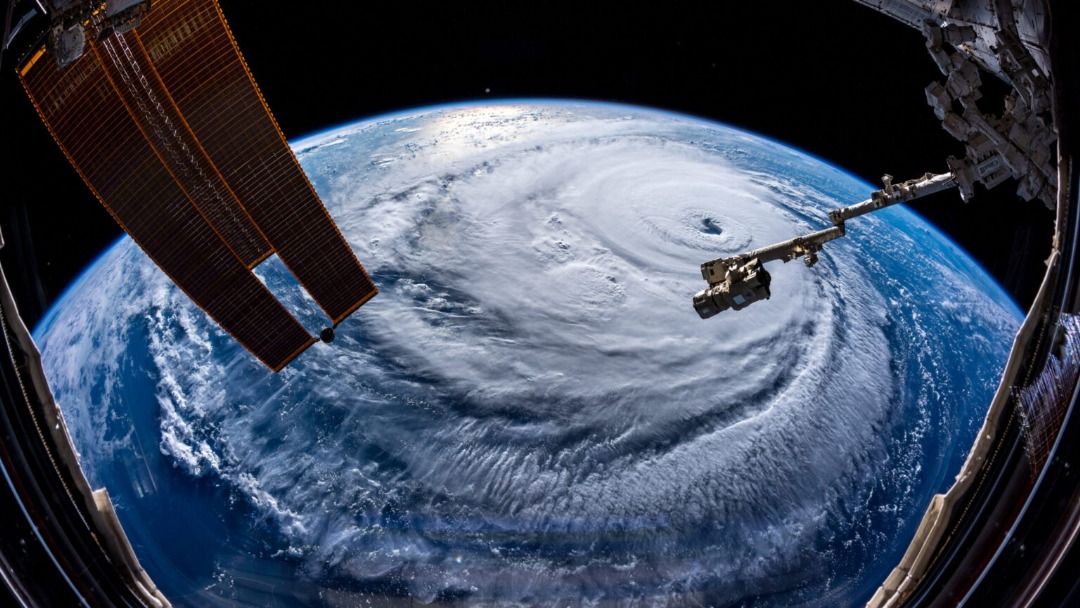
Photo: ESA/NASA – Alexander Gerst

The Paris Agreement aims to limit the global average temperature rise to 2 °C above pre-industrial levels, while pursuing the more ambitious goal of 1.5 °C. Scientific assessments underpinning the agreement show that even small increments of warming amplify climate risks. For example, warming of 1.5 °C would destroy at least 70% of coral reefs, compared to 99% at 2 °C. Similarly, a 2 °C rise would more than double the share of the global population exposed to extreme heat, compared with 1.5 °C.

ReadAlso

Who will be the next UN chief?

Africa ‘needs permanent place on UN Security Council’ – with 80% of resolutions involving conflict on the continent

Despite these warnings, greenhouse gas emissions continue to climb. Global emissions increased by 2.3% in 2024, as nations continue to rely on coal, oil, and gas to power their economies. The world has made some progress over the past decade: in 2015, when the Paris Agreement was signed, the planet was on track for a staggering 4 °C increase in average temperatures. Yet the pace of change remains too slow to avert catastrophic impacts.

China’s recent pledge to cut emissions by 7–10% from their peak by 2035 illustrates both the potential and limitations of national commitments. Analysts note that while China often sets modest targets, it has historically exceeded them. Still, UNEP’s report underscores that global action as a whole remains insufficient.

ADVERTISEMENT

The implications of overshooting 1.5 °C are profound. Extreme weather events — heatwaves, droughts, and wildfires — would become increasingly severe and frequent. Rising sea levels, shrinking ice sheets, and ecosystem collapse are also more likely. UNEP stressed that even a temporary overshoot could have long-term consequences for biodiversity, agriculture, and human health.

COP30, scheduled for later this month, will be a critical forum for countries to debate how to accelerate climate action and finance emissions reductions. UNEP’s findings are expected to add pressure on governments to deliver concrete measures rather than promises.

António Guterres, Secretary-General of the United Nations, has described the situation bluntly: avoiding the overshoot of 1.5 °C is now “unlikely” unless emissions trends reverse immediately. Yet experts stress that even limited reductions in warming can save lives, protect ecosystems, and reduce economic costs. Every fraction of a degree avoided matters.

In short, the window to avert the most catastrophic effects of climate change is rapidly closing. While the 1.5 °C target may no longer be guaranteed, bold and immediate action can still limit the severity of the crisis and help secure a more resilient future for the planet.


 

Related

Tags: 1.5°C TargetCarbon EmissionsChina Climate PledgeClimate ActionClimate ChangeClimate CrisisCOP30Coral ReefsdeforestationEnvironmental PolicyExtreme Weatherglobal warmingGreenhouse Gas EmissionsHeatwavesParis Agreementrenewable energySea Level RiseSustainabilityUNUNEP
ADVERTISEMENT
Previous Post

Christians watched their families burned alive in Nigeria. Now Trump is threatening to invade

Next Post

Mali in Peril: Fuel, Fear, Fire

You MayAlso Like

News

After losing influence in West Africa, France seeks a regional reset

May 10, 2026
News

Algeria to Become Arab World’s 4th Largest Economy by 2026, IMF Data Shows

May 10, 2026
News

Mixed reactions trail Niger’s ban on French broadcasters

May 10, 2026
News

Renewed Hope for Nollywood Backs Tinubu’s Creative Economy Agenda

May 10, 2026
Opposition supporters attend a rally to celebrate the ousting of President Ibrahim Boubacar Keita, at the Independence Square in Bamako, Mali, Aug. 21, 2020.
News

Thousands Rally Behind Mali Junta Following Deadly Jihadist Assault and Minister’s Death

May 10, 2026
News

Woman jailed in Somalia for peaceful protest ‘stripped, kicked and beaten’

May 10, 2026
Next Post

Mali in Peril: Fuel, Fear, Fire

Pope bestows one of Catholic Church’s highest honours on British convert

Discussion about this post

US ‘Shameless Exploitation’ in Proposed Zambian Health Aid Deal Exposed

Renewed Hope for Nollywood Backs Tinubu’s Creative Economy Agenda

Pastor Idowu Okeze’s Empowerment in Igbuzo Described as Organic, Not Political

Ghana becomes latest African country to reject US health deal

Woman jailed in Somalia for peaceful protest ‘stripped, kicked and beaten’

After losing influence in West Africa, France seeks a regional reset

  • US ‘Shameless Exploitation’ in Proposed Zambian Health Aid Deal Exposed

    543 shares
    Share 217 Tweet 136
  • Renewed Hope for Nollywood Backs Tinubu’s Creative Economy Agenda

    542 shares
    Share 217 Tweet 136
  • Pastor Idowu Okeze’s Empowerment in Igbuzo Described as Organic, Not Political

    541 shares
    Share 216 Tweet 135
  • Ghana becomes latest African country to reject US health deal

    541 shares
    Share 216 Tweet 135
  • Woman jailed in Somalia for peaceful protest ‘stripped, kicked and beaten’

    541 shares
    Share 216 Tweet 135
  • Trending
  • Comments
  • Latest

US ‘Shameless Exploitation’ in Proposed Zambian Health Aid Deal Exposed

May 10, 2026

Renewed Hope for Nollywood Backs Tinubu’s Creative Economy Agenda

May 10, 2026

Pastor Idowu Okeze’s Empowerment in Igbuzo Described as Organic, Not Political

May 10, 2026

Ghana becomes latest African country to reject US health deal

May 10, 2026

US ‘Shameless Exploitation’ in Proposed Zambian Health Aid Deal Exposed

May 10, 2026

After losing influence in West Africa, France seeks a regional reset

May 10, 2026

Algeria to Become Arab World’s 4th Largest Economy by 2026, IMF Data Shows

May 10, 2026

Mixed reactions trail Niger’s ban on French broadcasters

May 10, 2026

ABOUT US

www.oneafricamagazine.com

TIMEAFRICA MAGAZINE is an African Magazine with a culture of excellence; a magazine without peer. Nearly a third of its readers hold advanced degrees and include novelists, … READ MORE >>

SECTIONS

  • Aviation
  • Column
  • Crime
  • Europe
  • Featured
  • Gallery
  • Health
  • Interviews
  • Israel-Hamas
  • Lifestyle
  • Magazine
  • Middle-East
  • News
  • Politics
  • Press Release
  • Russia-Ukraine
  • Science
  • Special Report
  • Sports
  • TV/Radio
  • UAE
  • UK
  • US
  • World News

Useful Links

  • AllAfrica
  • Channel Africa
  • El Khabar
  • The Guardian
  • Cairo Live
  • Le Republicain
  • Magazine: 9771144975608
  • Subscribe to TIMEAFRICA MAGAZINE biweekly news magazine

    Enjoy handpicked stories from around African continent,
    delivered anywhere in the world

    Subscribe

    • About One Africa Magazine
    • Privacy Policy
    • Contact Us
    • WHO’SWHO AWARDS

    © Copyright TimeAfrica Magazine Limited 2026 - All rights reserved.

    No Result
    View All Result
    • WHO’SWHO AWARDS
    • Politics
    • Column
    • Interviews
    • Gallery
    • Lifestyle
    • Special Report
    • Sports
    • TV/Radio
    • Aviation
    • Health
    • Science
    • World News

    © Copyright TimeAfrica Magazine Limited 2026 - All rights reserved.

    This website uses cookies. By continuing to use this website you are giving consent to cookies being used. Visit our Privacy and Cookie Policy.