


In a candid revelation that has sparked renewed debate over Nigeria’s political history, Ex-President Goodluck Jonathan exposed critical details surrounding a constitutional crisis that plagued the nation during the extended illness of late President Umaru Musa Yar’Adua.
In an interview with the Rainbow Book Club, Jonathan alleged that a senior presidential aide deliberately withheld a crucial handover letter from the National Assembly, leaving Nigeria leadership void during a tumultuous period in 2010.
Yar’Adua had prepared a formal letter prior to his medical treatment abroad, intended to empower Jonathan to serve as acting president. However, according to Jonathan, the aide entrusted with the document failed to deliver it to the lawmakers, resulting in a protracted constitutional impasse. This omission left Nigeria in a state of uncertainty, with neither an acting president nor an effective commander-in-chief for several months.
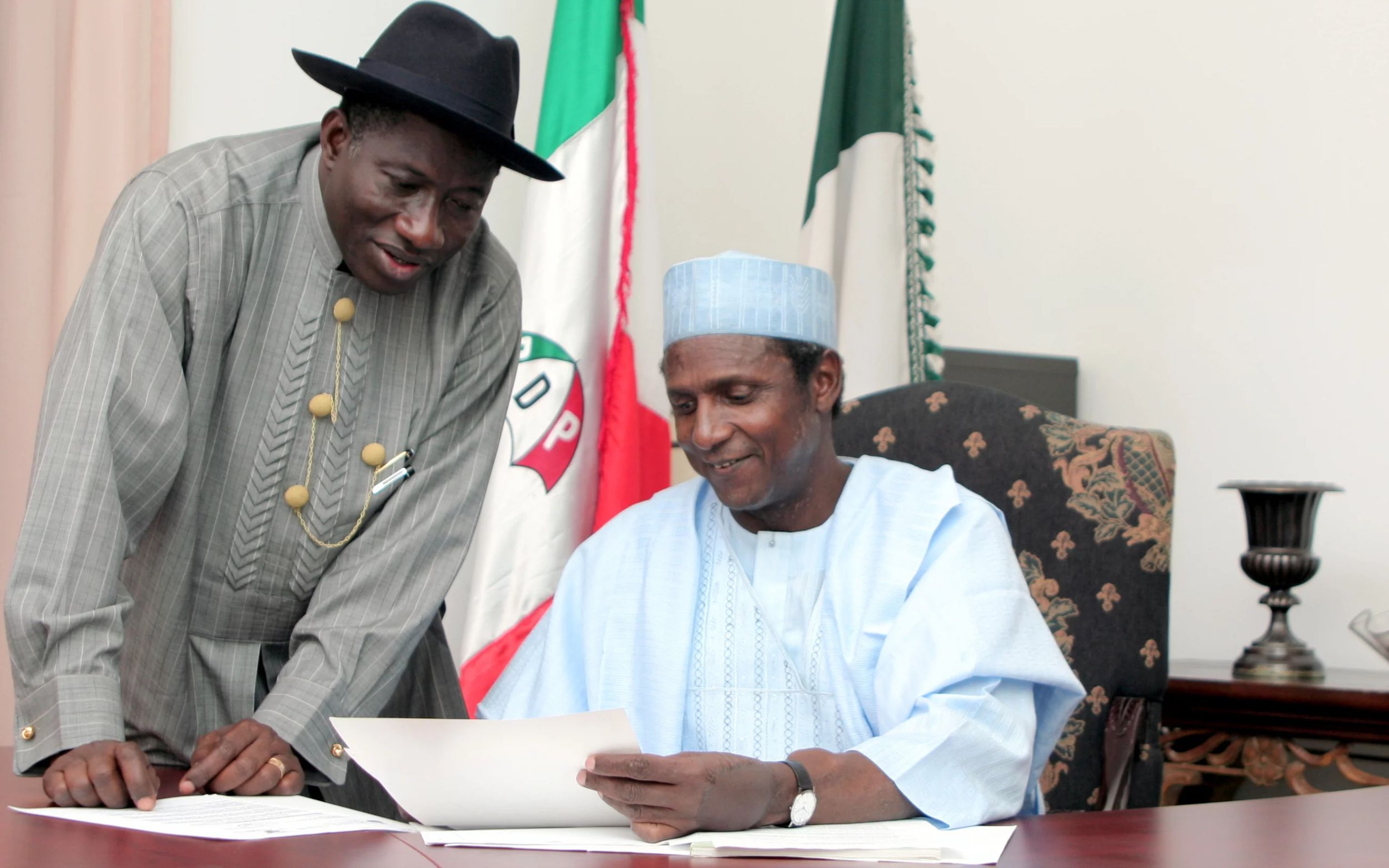
“Definitely the Northern Muslims wanted Yar’Adua to at least do eight years before power would return to the South, likely to another Christian,” Jonathan explained. “But his health issues came up and it was a problem. That’s why even allowing me to act as president became an issue.”
Jonathan’s testimony reveals a painful political reality steeped in regional and religious dynamics. He continued, “One year that Yar’Adua was going for the medical checkup. Actually, a letter was written. Of course, the constitution says that for the vice president to act, the president would send a letter to the Senate and the House of Representatives informing them. That letter was written, but the person who the letter was handed over to — I will not mention the name to you now, it was one of the aides of Yar’Adua — refused to submit the letter to the National Assembly. And Yar’Adua became so ill that he had no control of issues.”
In the aftermath, Jonathan found himself in a precarious position where he could fulfil certain executive duties without the full constitutional authority to lead the military or act decisively. He clarified, “Yes, as a vice president, you can take over the responsibilities of some responsibilities of the president. You know the president of Nigeria has two main responsibilities. First, you are the chief executive of the country, so like a prime minister of a country. That, the vice president can assume; you don’t need any transfer. And I was doing that because we were having an executive council meeting, we were approving memos from ministers, so the government was going on.”
However, the crucial role of commander-in-chief remained unfilled, creating a significant void in Nigeria’s governance. “But there was no commander-in-chief. What is the second responsibility of the president of Nigeria, besides being the executive head of the country? And there’s nothing like acting commander-in-chief. Either you’re a commander-in-chief or not.”
He further articulated how this constitutional gap highlighted Nigeria’s political vulnerabilities. “But when you become an acting president, you are at the same time a commander-in-chief. So that was lacking, and no country allows that gap.” Jonathan drew stark contrasts to the United States, where protocols ensure seamless leadership transitions, emphasizing, “If an American president wants to, even if it’s a whitlow that he requires an extension, he will hand over to the vice president before that procedure. Immediately he regains consciousness, he takes over. But we stayed for some time.”
This unprecedented silence of power led to what has now been referred to as the “doctrine of necessity.” “When the National Assembly felt that the country was in a situation where it was not expected,” Jonathan recounted, “they now had to initiate this doctrine of necessity. They now made me act as president without a letter from Yar’Adua.”
The political uproar surrounding these events set the stage for Jonathan’s ascension to the presidency, following Yar’Adua’s death in May 2010 after months of illness. He subsequently completed the term and later won the 2011 presidential election, becoming the first Nigerian president from the southern region since Obasanjo’s era.
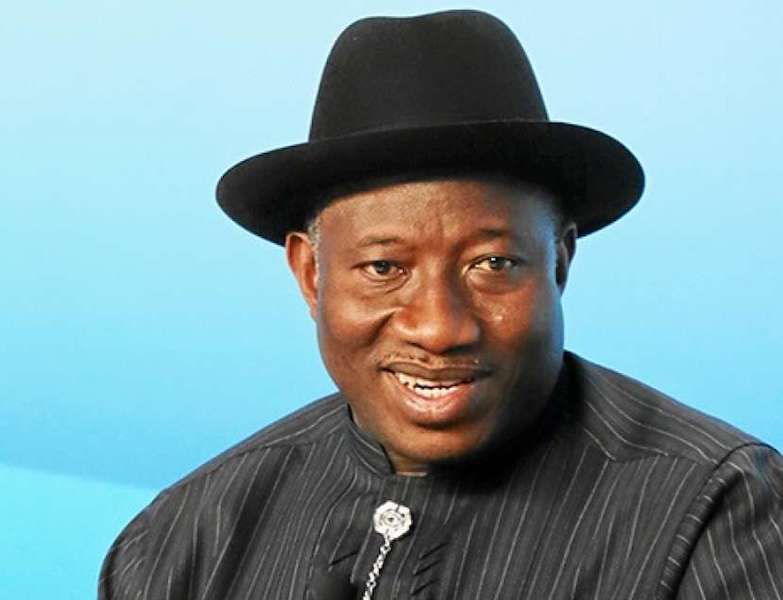
Jonathan’s insights illuminate an often-examined era in Nigeria’s political landscape, raising pressing questions around accountability and governance during crises. His allegations add nuance to the historical narrative, suggesting that behind the veil of constitutional propriety, personal motives may have influenced decisions that had cascading effects on the nation’s political stability.
Reflecting on these tumultuous times, Jonathan stated, “There’s always a balancing between North and South, Muslims and Christians. And Yar’Adua was a Northern Muslim, serving as president. He took over from a Southern Christian, Obasanjo, who ruled for eight years.” This statement encapsulates the persistent regional and religious schisms that continue to affect Nigeria’s political fabric today.
As Nigeria continues to grapple with its past and remake its political future, the revelations from Goodluck Jonathan serve as a crucial reminder of the fragility of power and the importance of unwavering transparency within the corridors of governance. The implications of his statements will likely resonate beyond the immediate political discourse as citizens and lawmakers alike reflect on the lessons learned and the paths not taken during a pivotal time in Nigeria’s history.
Jonathan’s revelations not only shine a light on the shadows of political history but also present an opportunity for deeper reflection on the systemic failures that hinder Nigeria’s growth. In an age where leadership integrity is vital, his testimony reminds us that accountability should be a non-negotiable tenet of governance.
As Nigeria attempts to forge ahead, the lessons of the past remain a touchstone for its leaders and citizens alike, as they navigate the delicate balancing act of power, trust, and the collective aspiration for a brighter, more unified future.

















Discussion about this post