


Sudan’s gold industry, one of the country’s most important sources of foreign income, is struggling under the pressure of ongoing conflict, damaged infrastructure and collapsing trade ties. While global gold prices are reaching record highs, many traders and miners in Sudan say they are unable to benefit, as war continues to disrupt production, transport and regulation across the country.
Sudan is one of Africa’s leading gold producers. For years, gold has played a central role in the economy, especially as oil revenues and agricultural exports declined. It provides the state with foreign currency and supports millions of people through mining, refining, trading and small workshops. Today, that system is under severe strain.
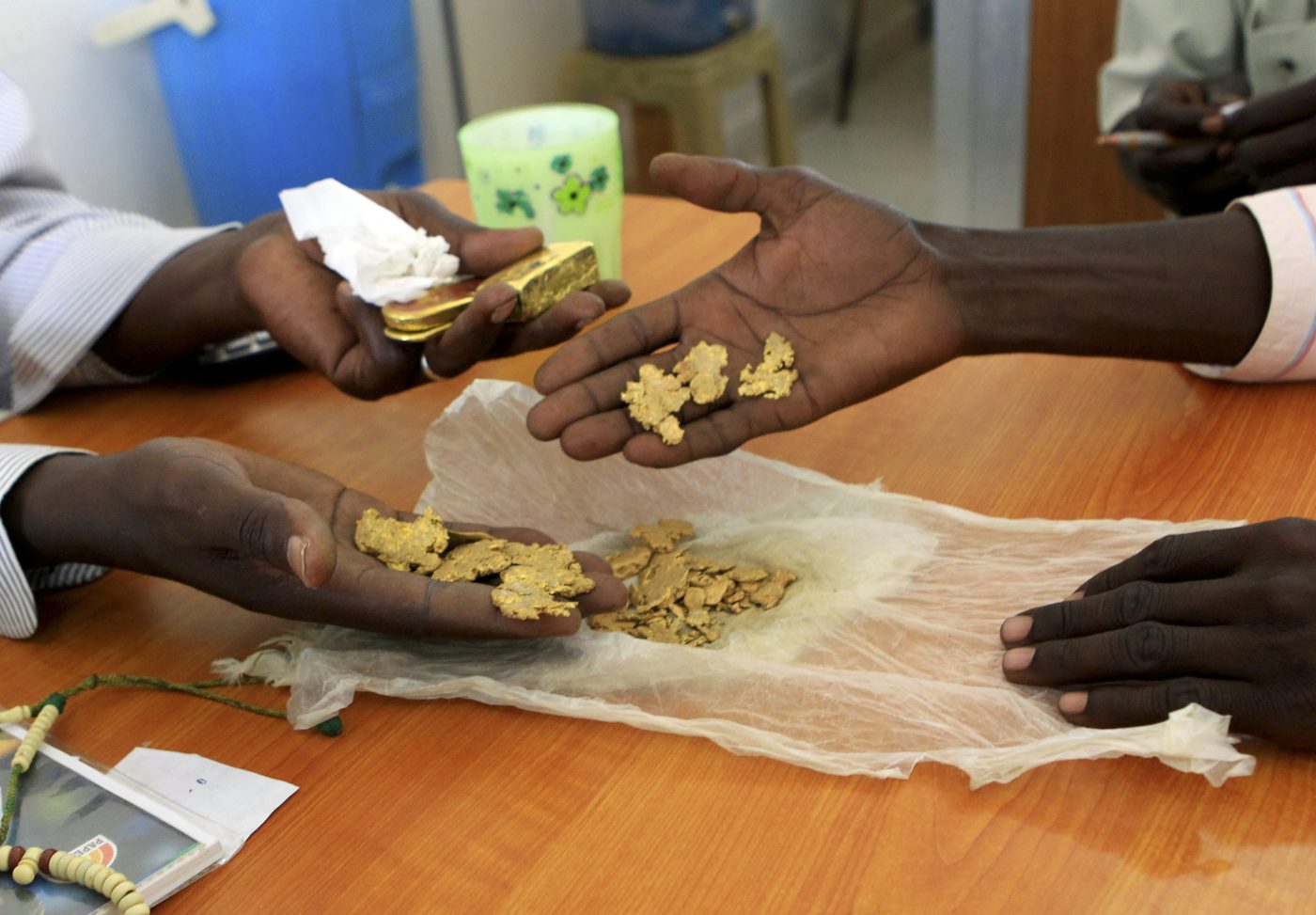
“The current market is incredibly difficult,” said Mohammed al-Sawakni, head of the Gold Industry Association in Sudan’s Red Sea State. “It is a heavy blow to the gold sector.”
Much of Sudan’s gold mining is still carried out using traditional methods. Small-scale miners work with basic tools, often in remote areas far from major towns. Since the outbreak of fighting, insecurity has made it harder for miners to reach sites safely. Armed clashes, roadblocks and the spread of weapons have forced many miners to stop work or reduce output.
As production has fallen, illegal activity has increased. With weak state control and growing violence, a larger share of Sudan’s gold is believed to be leaving the country through smuggling networks. Gold that is sold illegally brings little benefit to the wider economy and deprives the state of taxes and foreign exchange at a time when both are urgently needed.
The problems do not end at the mines. Gold processing and trade have also been badly affected. Damage to roads, power lines and fuel supply chains has disrupted refineries and workshops. Shortages of spare parts and raw materials have forced some refineries to cut production or close entirely.
Small workshops and retail traders, who form the backbone of the domestic gold market, are struggling to survive. Many report falling sales as customers face rising food prices and shrinking incomes. Others say they cannot secure enough gold to keep operating. As trade volumes fall, profit margins have narrowed, leaving traders with little protection against losses.
Sudan’s civil war, now nearing its third year, has crippled the wider economy. Fighting between the Sudanese armed forces and the paramilitary Rapid Support Forces has damaged airports, ports and border crossings. Millions of people have been displaced, and normal commercial activity has been severely disrupted. Exports of all kinds have fallen sharply.
In May, conditions worsened further when Sudan’s authorities cut diplomatic ties with the United Arab Emirates. The government accused the Gulf state of supporting the Rapid Support Forces, an allegation the UAE has denied. The decision has had serious consequences for Sudan’s gold trade.
“The UAE is one of the Middle East’s most important gold markets and trading centres,” said economist Ahmed Omar Khojali. “It will not be easy for Sudan to find alternative markets.”
Dubai has long acted as a major hub for African gold exports, including large volumes from Sudan. Losing access to that market has made it harder for Sudanese traders to sell gold legally and at competitive prices. For many exporters, there are few immediate alternatives, especially while conflict continues to disrupt transport and insurance.
The combined effect of falling production, rising smuggling and lost markets has reduced the flow of foreign currency into Sudan. This has put further pressure on the local currency and made it harder for the country to pay for essential imports such as food, fuel and medicine, worsening an already severe humanitarian crisis.
In response, Sudan’s government says it is increasing efforts to regain control of the gold sector. Officials have promised tougher action against illegal mining and smuggling, along with stronger regulation of gold sales and export channels. The aim, they say, is to keep more gold within the formal economy.
Authorities are also pushing ahead with plans to establish an international gold exchange in the capital, Khartoum. The proposed exchange would offer transparent pricing and formal trading rules. In addition, the government has announced plans for a global online trading platform to expand export options despite the conflict.
Supporters argue that these measures could reduce smuggling and restore confidence in the sector by offering legal and regulated alternatives. However, critics question whether such projects can succeed while fighting continues. Khartoum itself remains badly affected by the war, and basic services are unreliable.
For miners and traders, the future remains uncertain. Many feel trapped between rising global prices and a collapsing local system that prevents them from benefiting.
Gold remains one of Sudan’s few assets with real potential to support recovery. But without peace and restored trade ties, that potential may remain out of reach.


![Cocoa farmers extract cocoa beans at a plantation in Ivory Coast [File: Sia Kambou/AFP]](https://sp-ao.shortpixel.ai/client/to_auto,q_glossy,ret_img,w_75,h_75/https://oneafricamagazine.com/wp-content/uploads/2026/01/Cocoa-farmers-extract-cocoa-beans-at-a-plantation-in-Ivory-Coast-75x75.webp)








Discussion about this post