


By Roni Caryn Rabin
The first patient to receive a kidney transplanted from a genetically modified pig has fared so well that he was discharged from the hospital on Wednesday, just two weeks after the groundbreaking surgery.
The transplant and its encouraging outcome represent a remarkable moment in medicine, scientists say, possibly heralding an era of cross-species organ transplantation.
Two previous organ transplants from genetically modified pigs failed. Both patients received hearts, and both died a few weeks later. In one patient, there were signs that the immune system had rejected the organ, a constant risk.
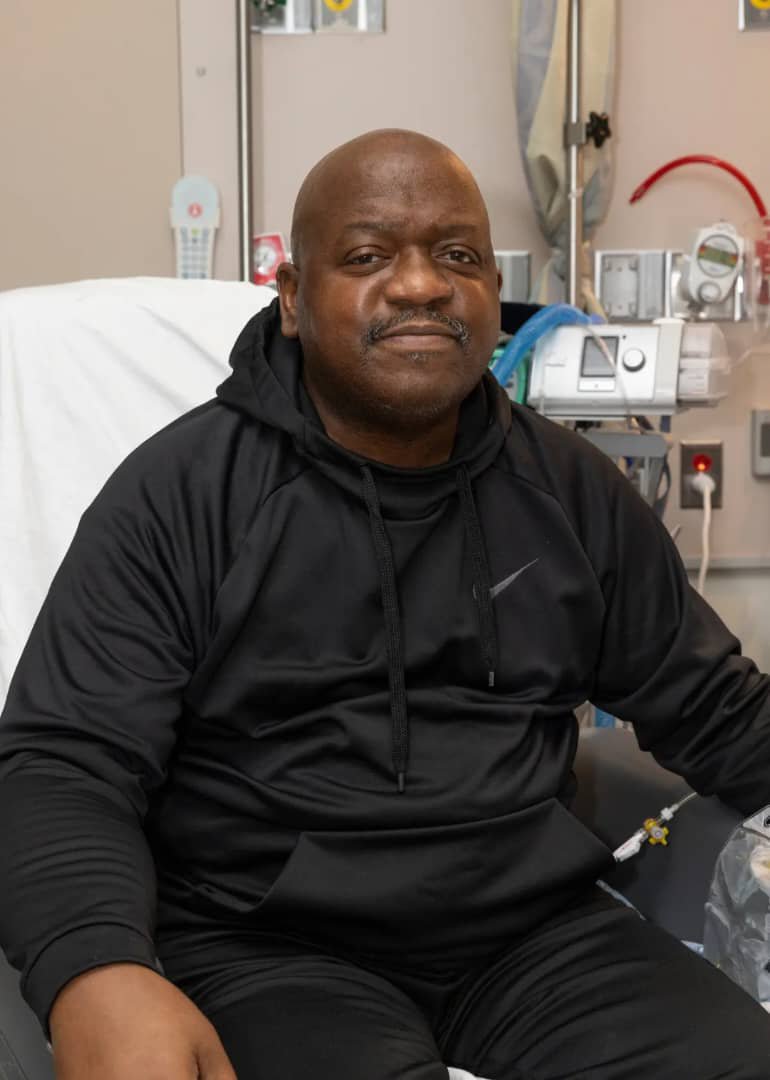
But the kidney transplanted into Richard Slayman, 62, is producing urine, removing waste products from the blood, balancing the body’s fluids and carrying out other key functions, according to his doctors at Massachusetts General Hospital.
“This moment — leaving the hospital today with one of the cleanest bills of health I’ve had in a long time — is one I wished would come for many years,” he said in a statement issued by the hospital. “Now it’s a reality.”
He said he had received “exceptional care” and thanked his physicians and nurses, as well as the well-wishers who reached out to him, including kidney patients who were waiting for an organ.
“Today marks a new beginning not just for me, but for them as well,” Mr. Slayman said.
The procedure brings the prospect of xenotransplantation, or animal-to-human organ transplants, significantly closer to reality, said Dr. David Klassen, the chief medical officer for the United Network for Organ Sharing, which manages the nation’s organ transplant system.
“Though much work remains to be done, I think the potential of this to benefit a large number of patients will be realized, and that was a question mark hovering over the field,” Dr. Klassen said.
Whether Mr. Slayman’s body will eventually reject the transplanted organ is still unknown, Dr. Klassen noted. And there are other hurdles: A successful operation would have to be replicated in numerous patients and studied in clinical trials before xenotransplants become widely available.
If these transplants are to be scaled up and integrated into the health care system, there are “daunting” logistical challenges, he said, starting with ensuring an adequate supply of organs from genetically engineered animals.
The cost, of course, may become a substantial obstacle. “Is this something we can really realistically attempt as a health care system?” Dr. Klassen said. “We need to think about that.”
The treatment of kidney disease is already a huge expense. End-stage kidney disease, the point at which the organs are failing, affects 1 percent of Medicare beneficiaries but accounts for 7 percent of Medicare spending, according to the National Kidney Foundation. Yet the medical potential for pig-to-human transplantation is tremendous.

Mr. Slayman opted for the experimental procedure because he had few options left. He was having difficulty with dialysis because of problems with his blood vessels, and he faced a long wait for a donated kidney.
The kidney transplanted into Mr. Slayman came from a pig genetically engineered by the biotech company eGenesis. Company scientists removed three genes that might trigger rejection of the organ, inserted seven human genes to enhance compatibility and took steps to inactivate retroviruses carried by pigs that may infect humans.
More than 550,000 Americans have kidney failure and require dialysis, and over 100,000 are on a waiting list to receive a transplanted kidney from a human donor.
In addition, tens of millions of Americans have chronic kidney disease, which can lead to organ failure. Black Americans, Hispanic Americans and Native Americans have the highest rates of end-stage kidney disease. Black patients generally fare worse than white patients and have less access to a donated kidney.
While dialysis keeps people alive, the treatment of choice for many patients is a kidney transplant, which dramatically improves quality of life. But just 25,000 kidney transplants are performed each year, and thousands of patients die annually while waiting for a human organ because there is a lack of donors.
Xenotransplantation has for decades been discussed as a potential solution.
The challenge in any organ transplantation is that the human immune system is primed to attack foreign tissue, causing life-threatening complications for recipients. Patients receiving transplanted organs generally must take drugs intended to suppress the immune system’s response and preserve the organ.
Mr. Slayman exhibited signs of rejection on the eighth day after surgery, according to Dr. Leonardo V. Riella, medical director for kidney transplantation at Mass General. (The hospital’s parent organization, Mass General Brigham, developed the transplant program.)
The rejection was a type called cellular rejection, which is the most common form of acute graft rejection. It can happen at any time but especially within the first year of an organ transplant. Up to 25 percent of organ recipients experience cellular rejection within the first three months.
The rejection was not unexpected, though Mr. Slayman experienced it more quickly than usual, Dr. Riella said. Doctors managed to reverse the rejection with steroids and other medications used to tamp down the immune reaction.
“It was a roller coaster the first week,” Dr. Riella said. Reassuringly, he added, Mr. Slayman responded to treatment like patients who receive organs from human donors.
Mr. Slayman is taking several immunosuppressive drugs, and he will continue to be closely monitored with blood and urine tests three times a week, as well as with doctor visits twice a week.
His physicians do not want Mr. Slayman to go back to work, at the state transportation department, for at least six weeks, and he must take precautions to avoid infections because of the medications that suppress his immune system.
“Ultimately, we want patients to go back to the things they enjoy doing, to improve their quality of life,” Dr. Riella said. “We want to avoid restrictions.”
By Wednesday, Mr. Slayman was clearly ready to go home, Dr. Riella said.
“When we first came in, he had a lot of apprehension and anxiety about what would happen,” Dr. Riella said. “But when we rounded on him at 7 a.m. this morning, you could see a big smile on his face and he was making plans.”
| New York Times |








Discussion about this post