


It’s a short drive to witness the human devastation caused by the climate crisis on the outskirts of Bujumbura in Burundi.
The first signs of catastrophe are found in the recently abandoned hotel and mansions, where lake water has soaked into the lower floors and laps through car parks. A little further west along the corniche that, until recently, swept behind the smartest plots in this impoverished nation, the road itself becomes a causeway. On the left, old men chat as they sit in plastic chairs with their feet on beer crates – the water has come, and it won’t go away.
One of Africa’s biggest lakes is rising. Lake Tanganyika is about three metres higher than it was less than a decade ago. The fresh water of this vast body that borders Burundi, the Democratic Republic of the Congo, Tanzania, and Zambia has inundated almost a mile of land near Bujumbura.
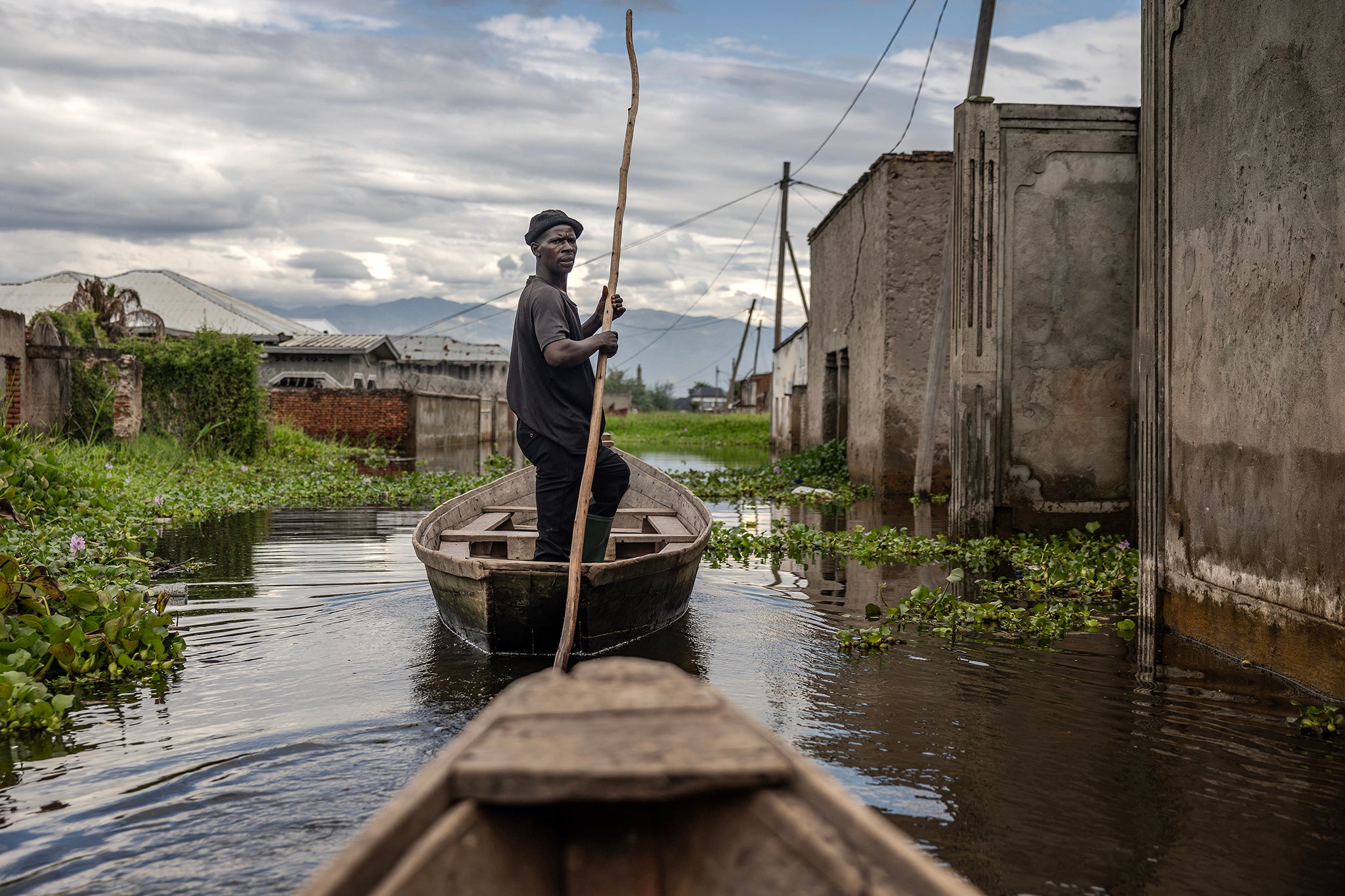
More than 100,000 people have lost their homes in Burundi to rising waters, in what the UN says is one of the 20 countries worst affected by climate change. The lake is set to rise by a further two metres in the next 10 years.
The lake, once a source of cheap fish for the region, is also suffering an ecological slow death. Fish rely on convection currents bringing nutrients to the surface to feed plankton that drive the whole ecosystem. Now, scientists estimate that the habitable areas for fish have shrunk by about 40 per cent since the 1940s, because the water is warming. To make matters worse, humankind has overfished here, as it has everywhere else.
Climate change has also meant more rain and more runoff – both upstream and from the surrounding hills – which has been exacerbated by the loss of trees on land.
On top of that, this country, one of the poorest on Earth, is torn by ethnic hatred; it is dealing with war on its doorstep, and a flood of new refugees from the Congo. Its frayed civil society, never far from explosive violence, is in danger of further unravelling because of Donald Trump’s cuts to international aid.
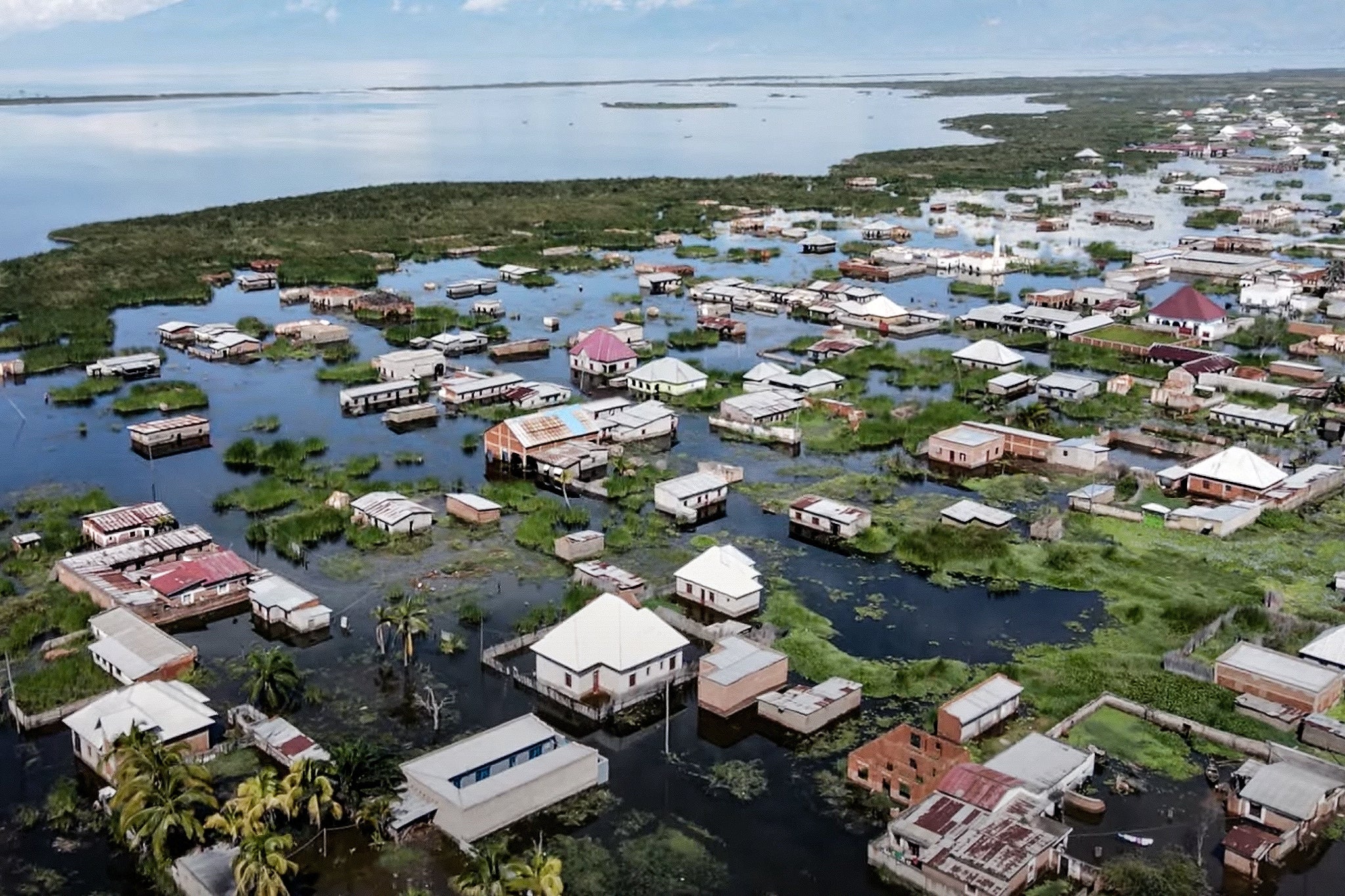
But as the lake shore reaches ever further into the financial capital and elsewhere, farms, businesses, schools and thousands of homes have been drowned – and the most vulnerable are paying a heavy price.
“For the African continent, it’s really a big issue in every region,” says Dr Joyce Kimutai, of Imperial College’s Grantham Institute. “We are seeing increased intensities and frequencies of extreme events. We’re seeing prolonged droughts in parts of Africa, which are punctuated by extreme rainfall events and flooding.”
In Gatumba, part of Bujumbura’s conurbation, once-busy streets are now 3ft under water, roads are now canals, and a mosque makes an island in the shimmering lake water as Pastor Jean ushers us through his garden gate in a canoe.
Once home to at least eight members of his extended family, the house is now thigh-deep in water, reeds have replaced the lawn, and fish jump where children played.
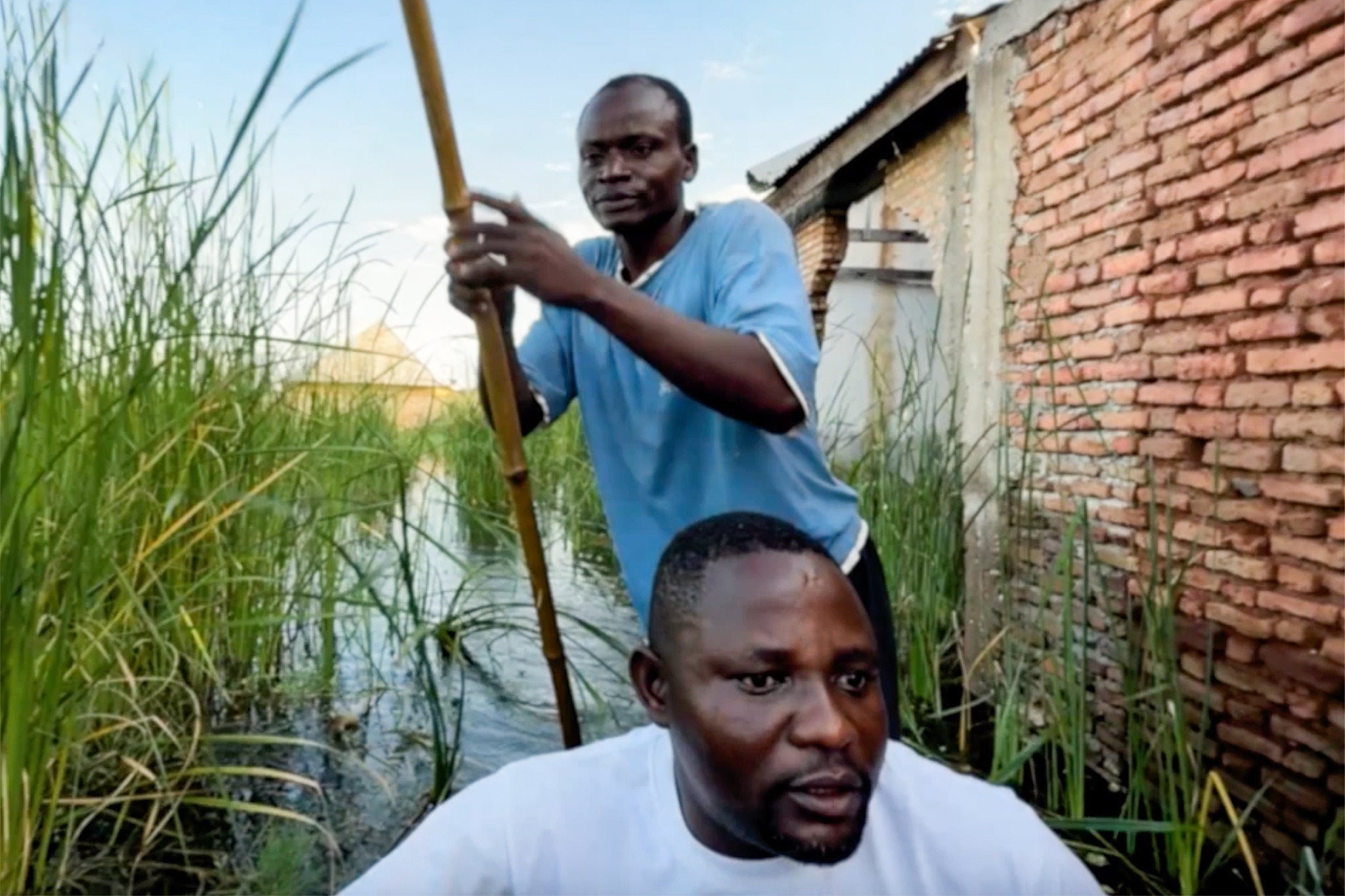
“It rises slowly,” says the religious leader of this community, who hung on for as long as he could as the water level steadily climbed.
“I stayed despite the flood. I stayed here for more than three years before it became too deep. In the end, the water rose to enter the house, and one day I woke up and there was water in my bedroom,” he says, surveying the scene of his former life from a dugout we’ve used to paddle to the property’s threshold.
Burundi has also been badly hit by more short-term manmade disasters. Since the early 1990s it has suffered repeated coups, and in 1993 at least 100,000 people died in a near genocide.
“The country is prone to disasters like floods, like outbreaks – cholera especially – which come in as a result of floods of Lake Tanganyika and River Rusizi,” says Geoffrey Kirenga, country director for the Save the Children Fund.
“Now, existing resources within Burundi are limited, so with the US government cuts, with cuts of pay in other countries, it becomes extremely difficult for Burundi to cope with existing humanitarian issues.”
USAID previously funded specific programmes to deliver disaster relief to people affected by flooding and landslides in countries across Africa, including Burundi. Other USAID services have also been cut in the country, including PEPFAR, the US programme to provide antiretroviral drugs to HIV carriers, which provided 51 per cent of Burundi’s HIV response funding.
The sudden halt removed roughly $6.5m (£4.8m) of a $25m (£18.5m) budget, directly affecting 10,000 of the 79,000 people on treatment and leading to the laying off of 167 health workers. USAID also provided $15m for vaccine distribution and malaria control, reaching an estimated 250,000 Burundians last year.
Kirenga says organisations like his are now buckling under the strain. “We’ve been responding to the refugee influx, but also we’ve been responding to the climate change effects as a result of flooding and being displaced. But now we have to reduce our focus, and focus on refugees and the influx, leaving out the internal displaced population of Burundi, and that’s really not fair.”
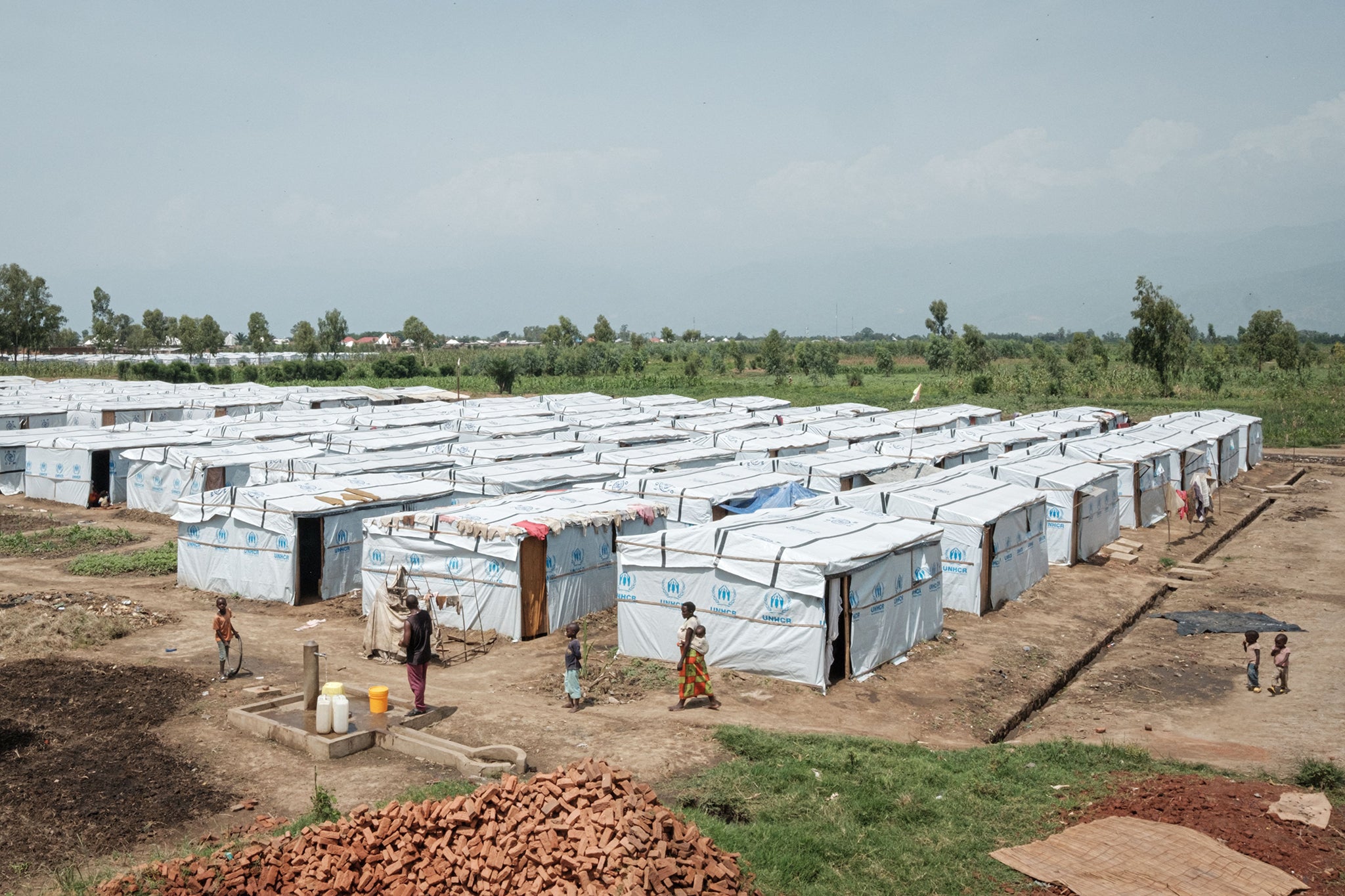
Not only have those forced to flee the floods lost their homes; they are now far away from what they know.
Thousands of Burundians displaced by the rising waters of Lake Tanganyika have been settled on a hillside more than an hour’s drive away from where their schools and businesses are now under water. The high ground at the Gateri camp looks over the Rusizi River and into DRC, from where refugees continue to escape.
Save the Children brings help for the kids, organises singing to raise morale, and tries to ensure that these locals don’t vanish into poverty and the children into begging – or worse.
In the crowded camp, Pastor Jean shows us his makeshift house of wood and plastic sheeting, but our visit is cut short by pro-government officials who don’t want any criticism of the ruling party.
Burundi’s authoritarian government recently faced elections, and has a reputation for extreme brutality. With the opposition National Congress for Liberty (CNL) – broadly perceived as Tutsi-aligned – effectively sidelined, the ethnic Hutu-dominated government and ruling party, the National Council for the Defence of Democracy, won by a landslide 96 per cent.
Like neighbouring Rwanda, Burundi was a Tutsi monarchy before German and then Belgian colonial rule. In Burundi, Tutsis dominated the army and government following independence until the early 1990s.
In 1993, Burundi was torn by ethnic mass murder when the Tutsi-dominated army killed the first ever democratically elected president, a Hutu, in a coup. Years of civil war and unrest followed. Now, a toxic local brew of incendiary politics is being fermented by the desperation caused by climate change and nearby war. It’s likely to explode.
Kimutai is clear about the role the environment plays: “We definitely see climate change as a multiplier of these threats.”
This story is part of The Independent’s Rethinking Global Aid series






Discussion about this post