


As the war between Iran and a U.S.–Israel coalition enters its third week, the reverberations are being felt far beyond the deserts and oilfields of the Middle East — reaching the bustling markets of Lagos, the coastal cities of East Africa, and the agricultural heartlands of West Africa. Africa’s policymakers, businesses and ordinary families are bracing for an intensifying economic shock that threatens to compound already severe cost‑of‑living pressures, fuel price surges and inflationary spikes across the continent.
The catalyst for these fears is simple: global energy markets are in turmoil. The conflict’s early days saw near‑immediate disruptions to crude oil production and transport, with strikes on infrastructure and a partial closure of the Strait of Hormuz — through which roughly 20 percent of the world’s seaborne oil ordinarily flows — triggering a sharp jump in international oil prices. Crude has traded above $100 per barrel, with physical spreads pointing to even higher stress in the market.
For Africa, where most nations are net importers of refined fuel despite some producing crude oil themselves, this global shock arrives at a perilous moment. Economies already grappling with post‑pandemic recovery, currency volatility and fragile public finances are suddenly exposed to a renewed energy price shock and the knock‑on effects across food, transport and production costs.
Across the continent, motorists and transport operators are feeling the pinch. In East Africa, for example, petrol in major Ugandan towns is already selling for well over typical pre‑conflict levels, and diesel prices have surged as global freight costs rise and delivery routes are extended around safer but longer passages like the Cape of Good Hope.
In South Africa, where fuel is heavily imported, reports indicate that petrol and diesel prices could rise substantially if Brent crude remains elevated. Analysts have suggested petrol prices could increase by several rand per litre, with diesel rising even more — a development that would not only curb household budgets but also feed into broader inflation across goods and services.
Nigeria, Africa’s largest economy, finds itself in a mixed economic position. While it is a significant crude exporter, it imports most of its refined petroleum products. This mismatch means that higher global prices do not automatically translate into consumer savings; instead, they push up local pump prices and strain government revenue frameworks built on lower price assumptions.
For ordinary Africans, rising fuel costs translate quickly into higher transportation costs for people and goods, more expensive food prices, and increased pressure on household budgets. Since most food and consumer products travel long distances by road, fuel price hikes feed directly into broader inflationary trends — a dynamic familiar from the aftermath of Russia’s invasion of Ukraine in 2022.
Across West Africa, Central Africa and parts of East Africa, inflation is expected to accelerate as currencies weaken against the U.S. dollar — a common response in emerging markets during global uncertainty — further reducing purchasing power at a time when wage growth is stagnant.
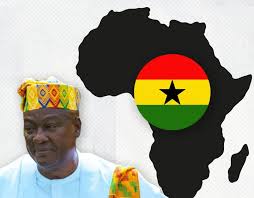
This inflationary pressure is already visible in Ghana, where the central bank’s governor has warned that global tensions could disrupt recent progress in curbing inflation. Rising oil prices and tighter financial conditions undermine efforts to stabilize prices, complicating monetary policy decisions.
Monetary Policy Dilemmas
Africa’s central banks are caught between countervailing priorities: some had begun easing monetary policy in late 2025 as inflation fell and currencies stabilized. Now, rising energy costs and inflation risks have forced many to reconsider and, in some cases, halt or reverse these rate cuts to avoid overheating economies.
For economies already burdened by high debt levels, this tightening cycle threatens to slow growth further, squeeze investment, and increase the cost of servicing sovereign debt — a worry echoed by international financial institutions tracking the geopolitical and financial fallout from the Iran war.
Beyond fuel and inflation, other sectors crucial to Africa’s economies are feeling pressure. Higher energy and transportation costs increase input costs for agriculture and mining — two sectors that are lifelines for many African GDPs and employment bases. The disruption of shipping routes and higher freight costs also threaten critical imports such as fertiliser and machinery.
Food security in parts of the continent, especially where agriculture is already vulnerable, could deteriorate further. With fertiliser prices spiking and supply chains under strain, crop yields and production costs risk being hit at precisely the moment when many nations are still building post‑COVID‑19 resilience.
Winners and Losers: A Complex Economic Mosaic
Not all African economies will feel the war’s effects equally. Oil‑exporting nations such as Angola, Algeria and Libya stand to benefit from higher global crude prices, potentially boosting export revenues — provided they can maintain production and find buyers in a disrupted market.
Conversely, countries heavily dependent on refined fuel imports — including Kenya, Uganda, Zimbabwe and many smaller economies — face steeper cost burdens that could deplete foreign exchange reserves and weaken currencies.
There are also secondary impact channels. African workers in the Gulf — including remittances from overseas labour markets — could see earnings squeezed if economic activity in those regions slows or migrant workers face job losses amid broader regional instability.
The current crisis — if it persists — has underscored a broader lesson for African economies: the strategic risks of dependency on global fossil fuel markets and vulnerable supply chains. Experts argue that the shock may accelerate conversations around energy diversification, investment in domestic refining capacity, and renewable energy transitions that could reduce exposure to global price shocks over time.
Yet such transitions require capital, infrastructure and political will, commodities in short supply in many African capitals. In the immediate term, governments face the unenviable task of balancing relief measures (such as fuel subsidies or social support) with long‑term fiscal sustainability.
As the war involving Iran shows no clear sign of swift resolution, Africa stands at a crossroads. The decisions taken now — from monetary policy moves to strategic energy investments — will shape how deeply this global conflict imprints on Africa’s economies.
For the continent’s citizens, already squeezed by a high cost of living in many urban and rural markets, the choices made by policymakers could determine whether this far‑away war becomes a defining economic shock of the decade — or a catalyst for overdue reform.














Discussion about this post