
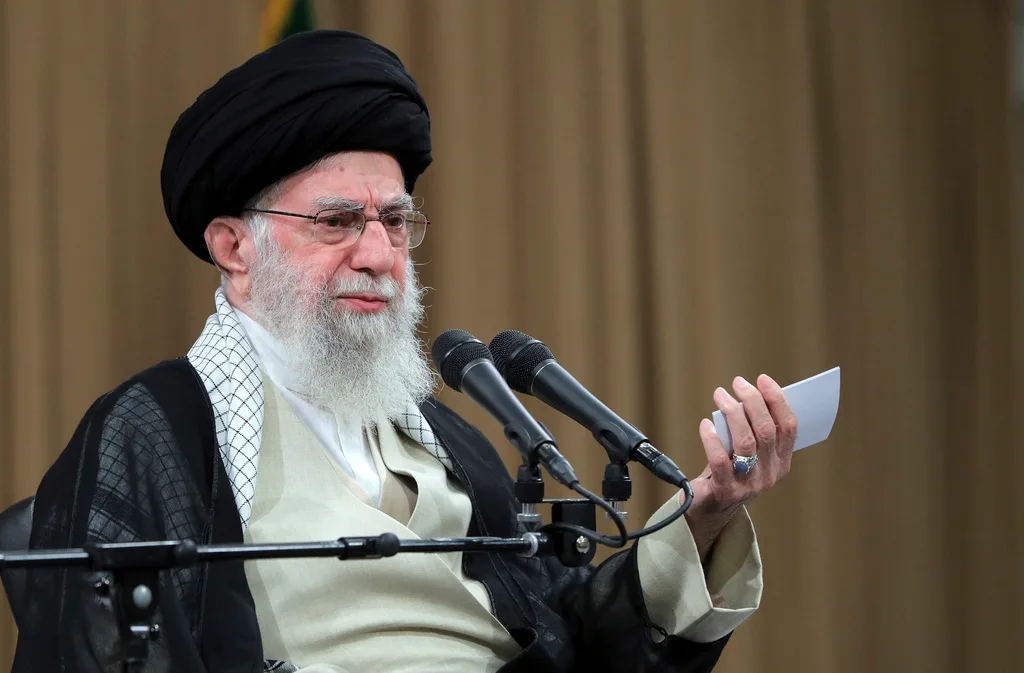
Claims that Iran’s Supreme Leader, Ayatollah Ali Khamenei, has been killed surfaced late on 28 February 2026 amid unprecedented joint military strikes by the United States and Israel against Iranian targets, marking a dramatic escalation in Middle Eastern tensions.
Senior Israeli officials, citing battlefield assessments, said there are “many indications” that Khamenei was killed in the opening salvo of strikes, including the destruction of his Tehran compound and impacts on Iran’s top leadership. Israeli Prime Minister Benjamin Netanyahu suggested that the strikes had inflicted “very significant harm” on the Iranian regime’s command structure and that the Supreme Leader may no longer be alive, though he stopped short of a formal confirmation.
According to these claims, the strikes — part of a broader offensive described by US President Donald Trump as Operation Epic Fury — targeted not only Iran’s military infrastructure but also the highest echelons of its leadership. Israeli authorities have asserted that Khamenei’s compound was destroyed and that multiple senior Revolutionary Guard commanders and nuclear officials were hit.
If verified, Khamenei’s death would represent a monumental shift in Iranian politics. The 86-year-old cleric had led the Islamic Republic since 1989, wielding comprehensive authority over the country’s political, military and religious institutions. His tenure shaped Iran’s domestic and foreign policy across four decades, including its nuclear ambitions and support for allied groups such as Hamas and Hezbollah.
However, Iranian officials have strongly disputed the reports, creating a sharply conflicting picture. Iranian Foreign Minister Abbas Araghchi told NBC News that — “**as far as I know” — Khamenei and other senior leaders remain alive, contradicting claims of his death. The Iranian government has repeatedly stressed that it has not confirmed any fatalities among its top leadership and suggests that reports of Khamenei’s demise are premature.
Independent verification has so far been lacking. There has been no confirmed, direct evidence from Iranian authorities regarding Khamenei’s status, and state media have been tightly controlled amid the ongoing crisis. Some reports note that satellite imagery showed extensive damage to parts of his compound in Tehran, but this alone does not establish whether Khamenei was present or killed.
The ambiguity is echoed in global media coverage, with outlets reporting Israeli declarations of “signs” pointing toward Khamenei’s likely death while also documenting Iranian denials and assertions that he is alive and in communication with key officials.
Should Khamenei’s death be confirmed, it would trigger a complex constitutional process in Iran. The country’s system requires succession oversight by the Assembly of Experts, a body of clerics empowered to appoint a new Supreme Leader. Potential successors could emerge from senior religious figures or senior personnel within the powerful Islamic Revolutionary Guard Corps.
Beyond the internal political repercussions, the broader regional response could be profound. Iran has already launched retaliatory missile and drone attacks against Israeli and US positions across the Middle East in response to the strikes, raising fears of open, prolonged conflict. International governments, including in Europe and the Gulf, have called for restraint as the crisis unfolds.
For now, without independent confirmation, the exact fate of Ayatollah Khamenei remains unverified. The reports reflect the fog of war and the competing narratives emerging from one of the most dramatic escalations in recent history.
This remains a developing story. Updates will be provided as more verified information becomes available.