


Iranian vice president Mohammad Javad Zarif has announced on August 12 he had resigned from his new position as vice president last week. In a post on X, Zarif cited several reasons for his resignation, including facing pressure after his appointment because his children hold U.S. citizenship. The resignation comes less than two weeks after newly elected reformist President Masud Pezeshkian chose Zarif as his deputy.
Mohammad Javad Zarif announced his resignation, expressing deep dissatisfaction with the composition of Masoud Pezeshkian’s proposed cabinet.
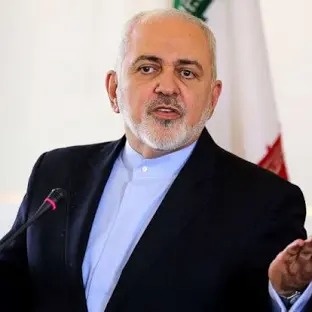
Zarif revealed that of the 19 ministers introduced, only three were the first choices recommended by the steering committee responsible for candidate selection. He noted that ten of the proposed ministers were not on the council’s list at all.
Zarif’s resignation underscores his frustration with the process, lamenting that he was unable to implement the expert opinions of the committees formed to find the best possible candidates or fulfill his promises to include women, youth, and ethnic groups in the cabinet.
“I am not satisfied with the outcome of my work and I am ashamed that I could not achieve the expert opinion of the committees and the inclusion of women, youth, and ethnic groups as I had pledged,” Zarif stated in his post. He further announced his intent to return to academia, apologizing to the Iranian people for his inability to navigate the complexities of domestic politics.
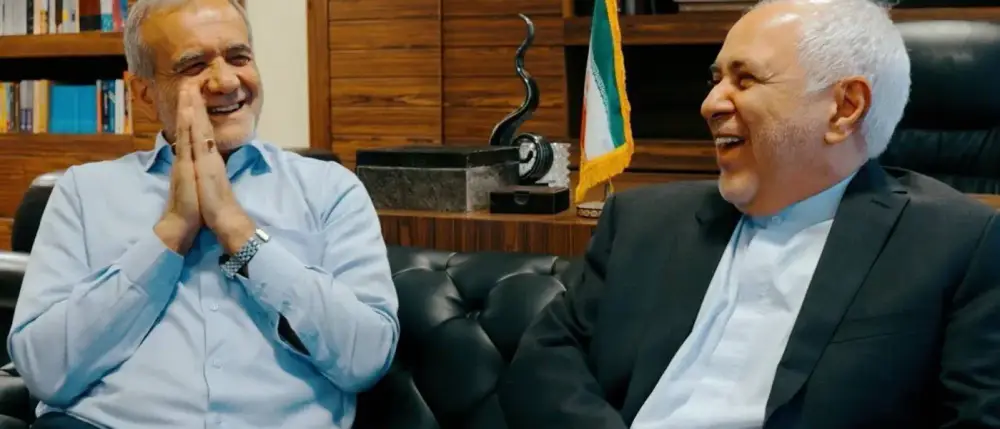
Zarif’s resignation has intensified scrutiny and criticism of Pezeshkian’s cabinet choices. Azar Mansouri, head of the Reform Front, also condemned the proposed cabinet, remarking that “One should not expect miracles from this government, especially considering that more than 80% of the country’s power is in the hands of other entities.”
Pezeshkian’s cabinet: old faces, old problems
Pezeshkian’s list of proposed ministers, sent to Parliament for approval, has drawn criticism for being a step backward. The cabinet, with an average age of 59.7 years, contradicts Pezeshkian’s earlier promise that 60% of the ministers would be under 50. In reality, only two ministers fall into this category, leading to widespread disappointment among those who expected a younger, more dynamic government.
Abbas Araghchi, introduced as the Minister of Foreign Affairs, served as the deputy to Zarif during Hassan Rouhani’s presidency, playing a key role in the nuclear negotiations with the West. Meanwhile, Esmail Khatib, nominated as the Minister of Intelligence, has a negative record, including the explosion in Kerman on the death anniversary of former IRGC commander Qasem Soleimani in January, which resulted in hundreds of casualties, as well as the assassination of Hamas leader Ismail Haniyeh in Tehran.
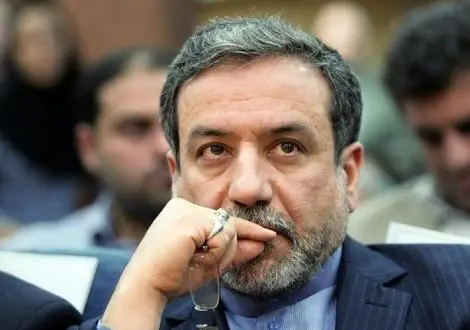
The inclusion of figures like Abdolnaser Hemmati, former Central Bank head and 2021 presidential candidate, as Minister of Economy, further underscores the lack of new blood in the cabinet.
According to an investigation by Iran International, 11 of Pezeshkian’s proposed ministers have previously served in the administrations of Raisi and Rouhani. This recycling of political figures suggests a continuation of the same policies that have led Iran into its current state of crisis.
Alireza Kazemi, proposed as the Minister of Education, is another controversial choice. Kazemi, the brother of the IRGC Intelligence Chief, has a background in seminary teaching and drug control, raising concerns about his relevance to the education ministry.
Reformist discontent and Khamenei’s influence
The proposed cabinet has drawn sharp criticism from reformists, who are dismayed by the inclusion of several conservative ministers from the Raisi administration.
Rahmatollah Bigdeli, a member of the Government’s Strategic Council, pointed out that the most important ministries have been handed over to ‘Principlists,’ indicating a consolidation of hardline power.
Political activist Abdollah Ramezanzadeh criticized the nomination of Eskandar Momeni as Minister of the Interior, stating, “The worst periods for the Ministry of Interior in the past 46 years have been when military personnel were in charge.” This sentiment reflects broader concerns about the increasing militarization of Iran’s government.
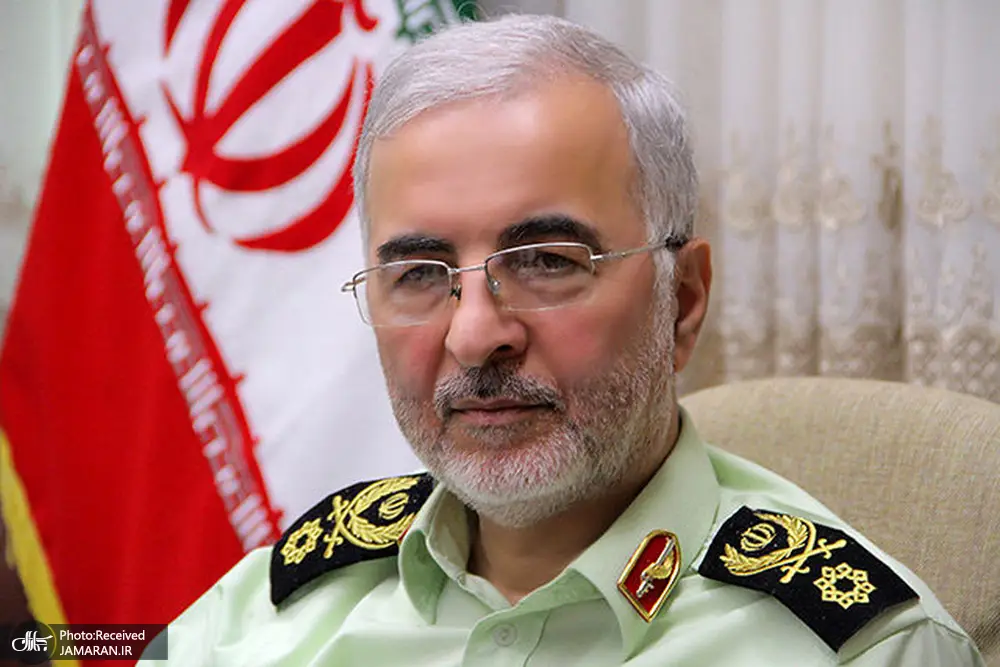
Political analyst Reza Alijani highlighted the pervasive influence of Supreme Leader Ali Khamenei over the selection of ministers, noting that the Ministry of Interior, Ministry of Intelligence, and Ministry of Foreign Affairs are all critical points that Khamenei has secured for his loyalists. This observation underscores the limited autonomy Pezeshkian has in forming his government, with Khamenei’s shadow looming large over the process.
A cabinet under fire
The discontent surrounding Pezeshkian’s cabinet is palpable. Reformists are particularly upset by the absence of Sunni representation and the inclusion of only one woman among the proposed ministers.
Political activist Ahmad Zeidabadi pointed out that the cabinet “has two or three fundamental flaws,” but if Pezeshkian believes he can work with these choices, “there is no reason for us to be more royalist than the king.”
Pro-reform activist and former MP Parvaneh Salahshouri was even more direct, writing on X that Pezeshkian “has failed his first test except in a few cases.” This sentiment was echoed by other reformist activists, who had warned Pezeshkian before the cabinet announcement that his selections were problematic.
Javad Emam, spokesperson for the Reform Front, criticized the continued dominance of military and paramilitary forces in Iranian politics, questioning the point of holding elections if the outcome remains unchanged.
“Ultimately, the President is responsible for his cabinet, and no lobbyist or imposing figure will take responsibility for the government. So, while there is time, reconsider,” Emam urged Pezeshkian.
Even Shahram Dabiri, Pezeshkian’s Parliamentary Deputy, acknowledged the influence of Khamenei in the cabinet formation, writing on X that Pezeshkian had clearly stated that the cabinet members would be selected with Khamenei’s opinion and approval.
A government of crisis
Political analyst Rouhollah Rahimpour summed up the situation by stating that Pezeshkian is starting his government with three major crises: political-security, social, and regional. The challenges facing this new administration are immense, and with a cabinet that appears to be more of the same rather than a harbinger of change, the prospects for meaningful reform in Iran look increasingly bleak.
Iranian vice president Mohammad Javad Zarif has announced on August 12 he had resigned from his new position as vice president last week. In a post on X, Zarif cited several reasons for his resignation, including facing pressure after his appointment because his children hold U.S. citizenship. The resignation comes less than two weeks after newly elected reformist President Masud Pezeshkian chose Zarif as his deputy.
Mohammad Javad Zarif announced his resignation, expressing deep dissatisfaction with the composition of Masoud Pezeshkian’s proposed cabinet.
Zarif revealed that of the 19 ministers introduced, only three were the first choices recommended by the steering committee responsible for candidate selection. He noted that ten of the proposed ministers were not on the council’s list at all.
Zarif’s resignation underscores his frustration with the process, lamenting that he was unable to implement the expert opinions of the committees formed to find the best possible candidates or fulfill his promises to include women, youth, and ethnic groups in the cabinet.
“I am not satisfied with the outcome of my work and I am ashamed that I could not achieve the expert opinion of the committees and the inclusion of women, youth, and ethnic groups as I had pledged,” Zarif stated in his post. He further announced his intent to return to academia, apologizing to the Iranian people for his inability to navigate the complexities of domestic politics.
Zarif’s resignation has intensified scrutiny and criticism of Pezeshkian’s cabinet choices. Azar Mansouri, head of the Reform Front, also condemned the proposed cabinet, remarking that “One should not expect miracles from this government, especially considering that more than 80% of the country’s power is in the hands of other entities.”
Pezeshkian’s cabinet: old faces, old problems
Pezeshkian’s list of proposed ministers, sent to Parliament for approval, has drawn criticism for being a step backward. The cabinet, with an average age of 59.7 years, contradicts Pezeshkian’s earlier promise that 60% of the ministers would be under 50. In reality, only two ministers fall into this category, leading to widespread disappointment among those who expected a younger, more dynamic government.
Abbas Araghchi, introduced as the Minister of Foreign Affairs, served as the deputy to Zarif during Hassan Rouhani’s presidency, playing a key role in the nuclear negotiations with the West. Meanwhile, Esmail Khatib, nominated as the Minister of Intelligence, has a negative record, including the explosion in Kerman on the death anniversary of former IRGC commander Qasem Soleimani in January, which resulted in hundreds of casualties, as well as the assassination of Hamas leader Ismail Haniyeh in Tehran.
The inclusion of figures like Abdolnaser Hemmati, former Central Bank head and 2021 presidential candidate, as Minister of Economy, further underscores the lack of new blood in the cabinet.
According to an investigation by Iran International, 11 of Pezeshkian’s proposed ministers have previously served in the administrations of Raisi and Rouhani. This recycling of political figures suggests a continuation of the same policies that have led Iran into its current state of crisis.
Alireza Kazemi, proposed as the Minister of Education, is another controversial choice. Kazemi, the brother of the IRGC Intelligence Chief, has a background in seminary teaching and drug control, raising concerns about his relevance to the education ministry.
Reformist discontent and Khamenei’s influence
The proposed cabinet has drawn sharp criticism from reformists, who are dismayed by the inclusion of several conservative ministers from the Raisi administration.
Rahmatollah Bigdeli, a member of the Government’s Strategic Council, pointed out that the most important ministries have been handed over to ‘Principlists,’ indicating a consolidation of hardline power.
Political activist Abdollah Ramezanzadeh criticized the nomination of Eskandar Momeni as Minister of the Interior, stating, “The worst periods for the Ministry of Interior in the past 46 years have been when military personnel were in charge.” This sentiment reflects broader concerns about the increasing militarization of Iran’s government.
Political analyst Reza Alijani highlighted the pervasive influence of Supreme Leader Ali Khamenei over the selection of ministers, noting that the Ministry of Interior, Ministry of Intelligence, and Ministry of Foreign Affairs are all critical points that Khamenei has secured for his loyalists. This observation underscores the limited autonomy Pezeshkian has in forming his government, with Khamenei’s shadow looming large over the process.
A cabinet under fire
The discontent surrounding Pezeshkian’s cabinet is palpable. Reformists are particularly upset by the absence of Sunni representation and the inclusion of only one woman among the proposed ministers.
Political activist Ahmad Zeidabadi pointed out that the cabinet “has two or three fundamental flaws,” but if Pezeshkian believes he can work with these choices, “there is no reason for us to be more royalist than the king.”
Pro-reform activist and former MP Parvaneh Salahshouri was even more direct, writing on X that Pezeshkian “has failed his first test except in a few cases.” This sentiment was echoed by other reformist activists, who had warned Pezeshkian before the cabinet announcement that his selections were problematic.
Javad Emam, spokesperson for the Reform Front, criticized the continued dominance of military and paramilitary forces in Iranian politics, questioning the point of holding elections if the outcome remains unchanged.
“Ultimately, the President is responsible for his cabinet, and no lobbyist or imposing figure will take responsibility for the government. So, while there is time, reconsider,” Emam urged Pezeshkian.
Even Shahram Dabiri, Pezeshkian’s Parliamentary Deputy, acknowledged the influence of Khamenei in the cabinet formation, writing on X that Pezeshkian had clearly stated that the cabinet members would be selected with Khamenei’s opinion and approval.
A government of crisis
Political analyst Rouhollah Rahimpour summed up the situation by stating that Pezeshkian is starting his government with three major crises: political-security, social, and regional. The challenges facing this new administration are immense, and with a cabinet that appears to be more of the same rather than a harbinger of change, the prospects for meaningful reform in Iran look increasingly bleak.
Iranian vice president Mohammad Javad Zarif has announced on August 12 he had resigned from his new position as vice president last week. In a post on X, Zarif cited several reasons for his resignation, including facing pressure after his appointment because his children hold U.S. citizenship. The resignation comes less than two weeks after newly elected reformist President Masud Pezeshkian chose Zarif as his deputy.
Mohammad Javad Zarif announced his resignation, expressing deep dissatisfaction with the composition of Masoud Pezeshkian’s proposed cabinet.
Zarif revealed that of the 19 ministers introduced, only three were the first choices recommended by the steering committee responsible for candidate selection. He noted that ten of the proposed ministers were not on the council’s list at all.
Zarif’s resignation underscores his frustration with the process, lamenting that he was unable to implement the expert opinions of the committees formed to find the best possible candidates or fulfill his promises to include women, youth, and ethnic groups in the cabinet.
“I am not satisfied with the outcome of my work and I am ashamed that I could not achieve the expert opinion of the committees and the inclusion of women, youth, and ethnic groups as I had pledged,” Zarif stated in his post. He further announced his intent to return to academia, apologizing to the Iranian people for his inability to navigate the complexities of domestic politics.
Zarif’s resignation has intensified scrutiny and criticism of Pezeshkian’s cabinet choices. Azar Mansouri, head of the Reform Front, also condemned the proposed cabinet, remarking that “One should not expect miracles from this government, especially considering that more than 80% of the country’s power is in the hands of other entities.”
Pezeshkian’s cabinet: old faces, old problems
Pezeshkian’s list of proposed ministers, sent to Parliament for approval, has drawn criticism for being a step backward. The cabinet, with an average age of 59.7 years, contradicts Pezeshkian’s earlier promise that 60% of the ministers would be under 50. In reality, only two ministers fall into this category, leading to widespread disappointment among those who expected a younger, more dynamic government.
Abbas Araghchi, introduced as the Minister of Foreign Affairs, served as the deputy to Zarif during Hassan Rouhani’s presidency, playing a key role in the nuclear negotiations with the West. Meanwhile, Esmail Khatib, nominated as the Minister of Intelligence, has a negative record, including the explosion in Kerman on the death anniversary of former IRGC commander Qasem Soleimani in January, which resulted in hundreds of casualties, as well as the assassination of Hamas leader Ismail Haniyeh in Tehran.
The inclusion of figures like Abdolnaser Hemmati, former Central Bank head and 2021 presidential candidate, as Minister of Economy, further underscores the lack of new blood in the cabinet.
According to an investigation by Iran International, 11 of Pezeshkian’s proposed ministers have previously served in the administrations of Raisi and Rouhani. This recycling of political figures suggests a continuation of the same policies that have led Iran into its current state of crisis.
Alireza Kazemi, proposed as the Minister of Education, is another controversial choice. Kazemi, the brother of the IRGC Intelligence Chief, has a background in seminary teaching and drug control, raising concerns about his relevance to the education ministry.
Reformist discontent and Khamenei’s influence
The proposed cabinet has drawn sharp criticism from reformists, who are dismayed by the inclusion of several conservative ministers from the Raisi administration.
Rahmatollah Bigdeli, a member of the Government’s Strategic Council, pointed out that the most important ministries have been handed over to ‘Principlists,’ indicating a consolidation of hardline power.
Political activist Abdollah Ramezanzadeh criticized the nomination of Eskandar Momeni as Minister of the Interior, stating, “The worst periods for the Ministry of Interior in the past 46 years have been when military personnel were in charge.” This sentiment reflects broader concerns about the increasing militarization of Iran’s government.
Political analyst Reza Alijani highlighted the pervasive influence of Supreme Leader Ali Khamenei over the selection of ministers, noting that the Ministry of Interior, Ministry of Intelligence, and Ministry of Foreign Affairs are all critical points that Khamenei has secured for his loyalists. This observation underscores the limited autonomy Pezeshkian has in forming his government, with Khamenei’s shadow looming large over the process.
A cabinet under fire
The discontent surrounding Pezeshkian’s cabinet is palpable. Reformists are particularly upset by the absence of Sunni representation and the inclusion of only one woman among the proposed ministers.
Political activist Ahmad Zeidabadi pointed out that the cabinet “has two or three fundamental flaws,” but if Pezeshkian believes he can work with these choices, “there is no reason for us to be more royalist than the king.”
Pro-reform activist and former MP Parvaneh Salahshouri was even more direct, writing on X that Pezeshkian “has failed his first test except in a few cases.” This sentiment was echoed by other reformist activists, who had warned Pezeshkian before the cabinet announcement that his selections were problematic.
Javad Emam, spokesperson for the Reform Front, criticized the continued dominance of military and paramilitary forces in Iranian politics, questioning the point of holding elections if the outcome remains unchanged.
“Ultimately, the President is responsible for his cabinet, and no lobbyist or imposing figure will take responsibility for the government. So, while there is time, reconsider,” Emam urged Pezeshkian.
Even Shahram Dabiri, Pezeshkian’s Parliamentary Deputy, acknowledged the influence of Khamenei in the cabinet formation, writing on X that Pezeshkian had clearly stated that the cabinet members would be selected with Khamenei’s opinion and approval.
A government of crisis
Political analyst Rouhollah Rahimpour summed up the situation by stating that Pezeshkian is starting his government with three major crises: political-security, social, and regional. The challenges facing this new administration are immense, and with a cabinet that appears to be more of the same rather than a harbinger of change, the prospects for meaningful reform in Iran look increasingly bleak.
Iranian vice president Mohammad Javad Zarif has announced on August 12 he had resigned from his new position as vice president last week. In a post on X, Zarif cited several reasons for his resignation, including facing pressure after his appointment because his children hold U.S. citizenship. The resignation comes less than two weeks after newly elected reformist President Masud Pezeshkian chose Zarif as his deputy.
Mohammad Javad Zarif announced his resignation, expressing deep dissatisfaction with the composition of Masoud Pezeshkian’s proposed cabinet.
Zarif revealed that of the 19 ministers introduced, only three were the first choices recommended by the steering committee responsible for candidate selection. He noted that ten of the proposed ministers were not on the council’s list at all.
Zarif’s resignation underscores his frustration with the process, lamenting that he was unable to implement the expert opinions of the committees formed to find the best possible candidates or fulfill his promises to include women, youth, and ethnic groups in the cabinet.
“I am not satisfied with the outcome of my work and I am ashamed that I could not achieve the expert opinion of the committees and the inclusion of women, youth, and ethnic groups as I had pledged,” Zarif stated in his post. He further announced his intent to return to academia, apologizing to the Iranian people for his inability to navigate the complexities of domestic politics.
Zarif’s resignation has intensified scrutiny and criticism of Pezeshkian’s cabinet choices. Azar Mansouri, head of the Reform Front, also condemned the proposed cabinet, remarking that “One should not expect miracles from this government, especially considering that more than 80% of the country’s power is in the hands of other entities.”
Pezeshkian’s cabinet: old faces, old problems
Pezeshkian’s list of proposed ministers, sent to Parliament for approval, has drawn criticism for being a step backward. The cabinet, with an average age of 59.7 years, contradicts Pezeshkian’s earlier promise that 60% of the ministers would be under 50. In reality, only two ministers fall into this category, leading to widespread disappointment among those who expected a younger, more dynamic government.
Abbas Araghchi, introduced as the Minister of Foreign Affairs, served as the deputy to Zarif during Hassan Rouhani’s presidency, playing a key role in the nuclear negotiations with the West. Meanwhile, Esmail Khatib, nominated as the Minister of Intelligence, has a negative record, including the explosion in Kerman on the death anniversary of former IRGC commander Qasem Soleimani in January, which resulted in hundreds of casualties, as well as the assassination of Hamas leader Ismail Haniyeh in Tehran.
The inclusion of figures like Abdolnaser Hemmati, former Central Bank head and 2021 presidential candidate, as Minister of Economy, further underscores the lack of new blood in the cabinet.
According to an investigation by Iran International, 11 of Pezeshkian’s proposed ministers have previously served in the administrations of Raisi and Rouhani. This recycling of political figures suggests a continuation of the same policies that have led Iran into its current state of crisis.
Alireza Kazemi, proposed as the Minister of Education, is another controversial choice. Kazemi, the brother of the IRGC Intelligence Chief, has a background in seminary teaching and drug control, raising concerns about his relevance to the education ministry.
Reformist discontent and Khamenei’s influence
The proposed cabinet has drawn sharp criticism from reformists, who are dismayed by the inclusion of several conservative ministers from the Raisi administration.
Rahmatollah Bigdeli, a member of the Government’s Strategic Council, pointed out that the most important ministries have been handed over to ‘Principlists,’ indicating a consolidation of hardline power.
Political activist Abdollah Ramezanzadeh criticized the nomination of Eskandar Momeni as Minister of the Interior, stating, “The worst periods for the Ministry of Interior in the past 46 years have been when military personnel were in charge.” This sentiment reflects broader concerns about the increasing militarization of Iran’s government.
Political analyst Reza Alijani highlighted the pervasive influence of Supreme Leader Ali Khamenei over the selection of ministers, noting that the Ministry of Interior, Ministry of Intelligence, and Ministry of Foreign Affairs are all critical points that Khamenei has secured for his loyalists. This observation underscores the limited autonomy Pezeshkian has in forming his government, with Khamenei’s shadow looming large over the process.
A cabinet under fire
The discontent surrounding Pezeshkian’s cabinet is palpable. Reformists are particularly upset by the absence of Sunni representation and the inclusion of only one woman among the proposed ministers.
Political activist Ahmad Zeidabadi pointed out that the cabinet “has two or three fundamental flaws,” but if Pezeshkian believes he can work with these choices, “there is no reason for us to be more royalist than the king.”
Pro-reform activist and former MP Parvaneh Salahshouri was even more direct, writing on X that Pezeshkian “has failed his first test except in a few cases.” This sentiment was echoed by other reformist activists, who had warned Pezeshkian before the cabinet announcement that his selections were problematic.
Javad Emam, spokesperson for the Reform Front, criticized the continued dominance of military and paramilitary forces in Iranian politics, questioning the point of holding elections if the outcome remains unchanged.
“Ultimately, the President is responsible for his cabinet, and no lobbyist or imposing figure will take responsibility for the government. So, while there is time, reconsider,” Emam urged Pezeshkian.
Even Shahram Dabiri, Pezeshkian’s Parliamentary Deputy, acknowledged the influence of Khamenei in the cabinet formation, writing on X that Pezeshkian had clearly stated that the cabinet members would be selected with Khamenei’s opinion and approval.
A government of crisis
Political analyst Rouhollah Rahimpour summed up the situation by stating that Pezeshkian is starting his government with three major crises: political-security, social, and regional. The challenges facing this new administration are immense, and with a cabinet that appears to be more of the same rather than a harbinger of change, the prospects for meaningful reform in Iran look increasingly bleak.
Iranian vice president Mohammad Javad Zarif has announced on August 12 he had resigned from his new position as vice president last week. In a post on X, Zarif cited several reasons for his resignation, including facing pressure after his appointment because his children hold U.S. citizenship. The resignation comes less than two weeks after newly elected reformist President Masud Pezeshkian chose Zarif as his deputy.
Mohammad Javad Zarif announced his resignation, expressing deep dissatisfaction with the composition of Masoud Pezeshkian’s proposed cabinet.
Zarif revealed that of the 19 ministers introduced, only three were the first choices recommended by the steering committee responsible for candidate selection. He noted that ten of the proposed ministers were not on the council’s list at all.
Zarif’s resignation underscores his frustration with the process, lamenting that he was unable to implement the expert opinions of the committees formed to find the best possible candidates or fulfill his promises to include women, youth, and ethnic groups in the cabinet.
“I am not satisfied with the outcome of my work and I am ashamed that I could not achieve the expert opinion of the committees and the inclusion of women, youth, and ethnic groups as I had pledged,” Zarif stated in his post. He further announced his intent to return to academia, apologizing to the Iranian people for his inability to navigate the complexities of domestic politics.
Zarif’s resignation has intensified scrutiny and criticism of Pezeshkian’s cabinet choices. Azar Mansouri, head of the Reform Front, also condemned the proposed cabinet, remarking that “One should not expect miracles from this government, especially considering that more than 80% of the country’s power is in the hands of other entities.”
Pezeshkian’s cabinet: old faces, old problems
Pezeshkian’s list of proposed ministers, sent to Parliament for approval, has drawn criticism for being a step backward. The cabinet, with an average age of 59.7 years, contradicts Pezeshkian’s earlier promise that 60% of the ministers would be under 50. In reality, only two ministers fall into this category, leading to widespread disappointment among those who expected a younger, more dynamic government.
Abbas Araghchi, introduced as the Minister of Foreign Affairs, served as the deputy to Zarif during Hassan Rouhani’s presidency, playing a key role in the nuclear negotiations with the West. Meanwhile, Esmail Khatib, nominated as the Minister of Intelligence, has a negative record, including the explosion in Kerman on the death anniversary of former IRGC commander Qasem Soleimani in January, which resulted in hundreds of casualties, as well as the assassination of Hamas leader Ismail Haniyeh in Tehran.
The inclusion of figures like Abdolnaser Hemmati, former Central Bank head and 2021 presidential candidate, as Minister of Economy, further underscores the lack of new blood in the cabinet.
According to an investigation by Iran International, 11 of Pezeshkian’s proposed ministers have previously served in the administrations of Raisi and Rouhani. This recycling of political figures suggests a continuation of the same policies that have led Iran into its current state of crisis.
Alireza Kazemi, proposed as the Minister of Education, is another controversial choice. Kazemi, the brother of the IRGC Intelligence Chief, has a background in seminary teaching and drug control, raising concerns about his relevance to the education ministry.
Reformist discontent and Khamenei’s influence
The proposed cabinet has drawn sharp criticism from reformists, who are dismayed by the inclusion of several conservative ministers from the Raisi administration.
Rahmatollah Bigdeli, a member of the Government’s Strategic Council, pointed out that the most important ministries have been handed over to ‘Principlists,’ indicating a consolidation of hardline power.
Political activist Abdollah Ramezanzadeh criticized the nomination of Eskandar Momeni as Minister of the Interior, stating, “The worst periods for the Ministry of Interior in the past 46 years have been when military personnel were in charge.” This sentiment reflects broader concerns about the increasing militarization of Iran’s government.
Political analyst Reza Alijani highlighted the pervasive influence of Supreme Leader Ali Khamenei over the selection of ministers, noting that the Ministry of Interior, Ministry of Intelligence, and Ministry of Foreign Affairs are all critical points that Khamenei has secured for his loyalists. This observation underscores the limited autonomy Pezeshkian has in forming his government, with Khamenei’s shadow looming large over the process.
A cabinet under fire
The discontent surrounding Pezeshkian’s cabinet is palpable. Reformists are particularly upset by the absence of Sunni representation and the inclusion of only one woman among the proposed ministers.
Political activist Ahmad Zeidabadi pointed out that the cabinet “has two or three fundamental flaws,” but if Pezeshkian believes he can work with these choices, “there is no reason for us to be more royalist than the king.”
Pro-reform activist and former MP Parvaneh Salahshouri was even more direct, writing on X that Pezeshkian “has failed his first test except in a few cases.” This sentiment was echoed by other reformist activists, who had warned Pezeshkian before the cabinet announcement that his selections were problematic.
Javad Emam, spokesperson for the Reform Front, criticized the continued dominance of military and paramilitary forces in Iranian politics, questioning the point of holding elections if the outcome remains unchanged.
“Ultimately, the President is responsible for his cabinet, and no lobbyist or imposing figure will take responsibility for the government. So, while there is time, reconsider,” Emam urged Pezeshkian.
Even Shahram Dabiri, Pezeshkian’s Parliamentary Deputy, acknowledged the influence of Khamenei in the cabinet formation, writing on X that Pezeshkian had clearly stated that the cabinet members would be selected with Khamenei’s opinion and approval.
A government of crisis
Political analyst Rouhollah Rahimpour summed up the situation by stating that Pezeshkian is starting his government with three major crises: political-security, social, and regional. The challenges facing this new administration are immense, and with a cabinet that appears to be more of the same rather than a harbinger of change, the prospects for meaningful reform in Iran look increasingly bleak.
Iranian vice president Mohammad Javad Zarif has announced on August 12 he had resigned from his new position as vice president last week. In a post on X, Zarif cited several reasons for his resignation, including facing pressure after his appointment because his children hold U.S. citizenship. The resignation comes less than two weeks after newly elected reformist President Masud Pezeshkian chose Zarif as his deputy.
Mohammad Javad Zarif announced his resignation, expressing deep dissatisfaction with the composition of Masoud Pezeshkian’s proposed cabinet.
Zarif revealed that of the 19 ministers introduced, only three were the first choices recommended by the steering committee responsible for candidate selection. He noted that ten of the proposed ministers were not on the council’s list at all.
Zarif’s resignation underscores his frustration with the process, lamenting that he was unable to implement the expert opinions of the committees formed to find the best possible candidates or fulfill his promises to include women, youth, and ethnic groups in the cabinet.
“I am not satisfied with the outcome of my work and I am ashamed that I could not achieve the expert opinion of the committees and the inclusion of women, youth, and ethnic groups as I had pledged,” Zarif stated in his post. He further announced his intent to return to academia, apologizing to the Iranian people for his inability to navigate the complexities of domestic politics.
Zarif’s resignation has intensified scrutiny and criticism of Pezeshkian’s cabinet choices. Azar Mansouri, head of the Reform Front, also condemned the proposed cabinet, remarking that “One should not expect miracles from this government, especially considering that more than 80% of the country’s power is in the hands of other entities.”
Pezeshkian’s cabinet: old faces, old problems
Pezeshkian’s list of proposed ministers, sent to Parliament for approval, has drawn criticism for being a step backward. The cabinet, with an average age of 59.7 years, contradicts Pezeshkian’s earlier promise that 60% of the ministers would be under 50. In reality, only two ministers fall into this category, leading to widespread disappointment among those who expected a younger, more dynamic government.
Abbas Araghchi, introduced as the Minister of Foreign Affairs, served as the deputy to Zarif during Hassan Rouhani’s presidency, playing a key role in the nuclear negotiations with the West. Meanwhile, Esmail Khatib, nominated as the Minister of Intelligence, has a negative record, including the explosion in Kerman on the death anniversary of former IRGC commander Qasem Soleimani in January, which resulted in hundreds of casualties, as well as the assassination of Hamas leader Ismail Haniyeh in Tehran.
The inclusion of figures like Abdolnaser Hemmati, former Central Bank head and 2021 presidential candidate, as Minister of Economy, further underscores the lack of new blood in the cabinet.
According to an investigation by Iran International, 11 of Pezeshkian’s proposed ministers have previously served in the administrations of Raisi and Rouhani. This recycling of political figures suggests a continuation of the same policies that have led Iran into its current state of crisis.
Alireza Kazemi, proposed as the Minister of Education, is another controversial choice. Kazemi, the brother of the IRGC Intelligence Chief, has a background in seminary teaching and drug control, raising concerns about his relevance to the education ministry.
Reformist discontent and Khamenei’s influence
The proposed cabinet has drawn sharp criticism from reformists, who are dismayed by the inclusion of several conservative ministers from the Raisi administration.
Rahmatollah Bigdeli, a member of the Government’s Strategic Council, pointed out that the most important ministries have been handed over to ‘Principlists,’ indicating a consolidation of hardline power.
Political activist Abdollah Ramezanzadeh criticized the nomination of Eskandar Momeni as Minister of the Interior, stating, “The worst periods for the Ministry of Interior in the past 46 years have been when military personnel were in charge.” This sentiment reflects broader concerns about the increasing militarization of Iran’s government.
Political analyst Reza Alijani highlighted the pervasive influence of Supreme Leader Ali Khamenei over the selection of ministers, noting that the Ministry of Interior, Ministry of Intelligence, and Ministry of Foreign Affairs are all critical points that Khamenei has secured for his loyalists. This observation underscores the limited autonomy Pezeshkian has in forming his government, with Khamenei’s shadow looming large over the process.
A cabinet under fire
The discontent surrounding Pezeshkian’s cabinet is palpable. Reformists are particularly upset by the absence of Sunni representation and the inclusion of only one woman among the proposed ministers.
Political activist Ahmad Zeidabadi pointed out that the cabinet “has two or three fundamental flaws,” but if Pezeshkian believes he can work with these choices, “there is no reason for us to be more royalist than the king.”
Pro-reform activist and former MP Parvaneh Salahshouri was even more direct, writing on X that Pezeshkian “has failed his first test except in a few cases.” This sentiment was echoed by other reformist activists, who had warned Pezeshkian before the cabinet announcement that his selections were problematic.
Javad Emam, spokesperson for the Reform Front, criticized the continued dominance of military and paramilitary forces in Iranian politics, questioning the point of holding elections if the outcome remains unchanged.
“Ultimately, the President is responsible for his cabinet, and no lobbyist or imposing figure will take responsibility for the government. So, while there is time, reconsider,” Emam urged Pezeshkian.
Even Shahram Dabiri, Pezeshkian’s Parliamentary Deputy, acknowledged the influence of Khamenei in the cabinet formation, writing on X that Pezeshkian had clearly stated that the cabinet members would be selected with Khamenei’s opinion and approval.
A government of crisis
Political analyst Rouhollah Rahimpour summed up the situation by stating that Pezeshkian is starting his government with three major crises: political-security, social, and regional. The challenges facing this new administration are immense, and with a cabinet that appears to be more of the same rather than a harbinger of change, the prospects for meaningful reform in Iran look increasingly bleak.
Iranian vice president Mohammad Javad Zarif has announced on August 12 he had resigned from his new position as vice president last week. In a post on X, Zarif cited several reasons for his resignation, including facing pressure after his appointment because his children hold U.S. citizenship. The resignation comes less than two weeks after newly elected reformist President Masud Pezeshkian chose Zarif as his deputy.
Mohammad Javad Zarif announced his resignation, expressing deep dissatisfaction with the composition of Masoud Pezeshkian’s proposed cabinet.
Zarif revealed that of the 19 ministers introduced, only three were the first choices recommended by the steering committee responsible for candidate selection. He noted that ten of the proposed ministers were not on the council’s list at all.
Zarif’s resignation underscores his frustration with the process, lamenting that he was unable to implement the expert opinions of the committees formed to find the best possible candidates or fulfill his promises to include women, youth, and ethnic groups in the cabinet.
“I am not satisfied with the outcome of my work and I am ashamed that I could not achieve the expert opinion of the committees and the inclusion of women, youth, and ethnic groups as I had pledged,” Zarif stated in his post. He further announced his intent to return to academia, apologizing to the Iranian people for his inability to navigate the complexities of domestic politics.
Zarif’s resignation has intensified scrutiny and criticism of Pezeshkian’s cabinet choices. Azar Mansouri, head of the Reform Front, also condemned the proposed cabinet, remarking that “One should not expect miracles from this government, especially considering that more than 80% of the country’s power is in the hands of other entities.”
Pezeshkian’s cabinet: old faces, old problems
Pezeshkian’s list of proposed ministers, sent to Parliament for approval, has drawn criticism for being a step backward. The cabinet, with an average age of 59.7 years, contradicts Pezeshkian’s earlier promise that 60% of the ministers would be under 50. In reality, only two ministers fall into this category, leading to widespread disappointment among those who expected a younger, more dynamic government.
Abbas Araghchi, introduced as the Minister of Foreign Affairs, served as the deputy to Zarif during Hassan Rouhani’s presidency, playing a key role in the nuclear negotiations with the West. Meanwhile, Esmail Khatib, nominated as the Minister of Intelligence, has a negative record, including the explosion in Kerman on the death anniversary of former IRGC commander Qasem Soleimani in January, which resulted in hundreds of casualties, as well as the assassination of Hamas leader Ismail Haniyeh in Tehran.
The inclusion of figures like Abdolnaser Hemmati, former Central Bank head and 2021 presidential candidate, as Minister of Economy, further underscores the lack of new blood in the cabinet.
According to an investigation by Iran International, 11 of Pezeshkian’s proposed ministers have previously served in the administrations of Raisi and Rouhani. This recycling of political figures suggests a continuation of the same policies that have led Iran into its current state of crisis.
Alireza Kazemi, proposed as the Minister of Education, is another controversial choice. Kazemi, the brother of the IRGC Intelligence Chief, has a background in seminary teaching and drug control, raising concerns about his relevance to the education ministry.
Reformist discontent and Khamenei’s influence
The proposed cabinet has drawn sharp criticism from reformists, who are dismayed by the inclusion of several conservative ministers from the Raisi administration.
Rahmatollah Bigdeli, a member of the Government’s Strategic Council, pointed out that the most important ministries have been handed over to ‘Principlists,’ indicating a consolidation of hardline power.
Political activist Abdollah Ramezanzadeh criticized the nomination of Eskandar Momeni as Minister of the Interior, stating, “The worst periods for the Ministry of Interior in the past 46 years have been when military personnel were in charge.” This sentiment reflects broader concerns about the increasing militarization of Iran’s government.
Political analyst Reza Alijani highlighted the pervasive influence of Supreme Leader Ali Khamenei over the selection of ministers, noting that the Ministry of Interior, Ministry of Intelligence, and Ministry of Foreign Affairs are all critical points that Khamenei has secured for his loyalists. This observation underscores the limited autonomy Pezeshkian has in forming his government, with Khamenei’s shadow looming large over the process.
A cabinet under fire
The discontent surrounding Pezeshkian’s cabinet is palpable. Reformists are particularly upset by the absence of Sunni representation and the inclusion of only one woman among the proposed ministers.
Political activist Ahmad Zeidabadi pointed out that the cabinet “has two or three fundamental flaws,” but if Pezeshkian believes he can work with these choices, “there is no reason for us to be more royalist than the king.”
Pro-reform activist and former MP Parvaneh Salahshouri was even more direct, writing on X that Pezeshkian “has failed his first test except in a few cases.” This sentiment was echoed by other reformist activists, who had warned Pezeshkian before the cabinet announcement that his selections were problematic.
Javad Emam, spokesperson for the Reform Front, criticized the continued dominance of military and paramilitary forces in Iranian politics, questioning the point of holding elections if the outcome remains unchanged.
“Ultimately, the President is responsible for his cabinet, and no lobbyist or imposing figure will take responsibility for the government. So, while there is time, reconsider,” Emam urged Pezeshkian.
Even Shahram Dabiri, Pezeshkian’s Parliamentary Deputy, acknowledged the influence of Khamenei in the cabinet formation, writing on X that Pezeshkian had clearly stated that the cabinet members would be selected with Khamenei’s opinion and approval.
A government of crisis
Political analyst Rouhollah Rahimpour summed up the situation by stating that Pezeshkian is starting his government with three major crises: political-security, social, and regional. The challenges facing this new administration are immense, and with a cabinet that appears to be more of the same rather than a harbinger of change, the prospects for meaningful reform in Iran look increasingly bleak.
Iranian vice president Mohammad Javad Zarif has announced on August 12 he had resigned from his new position as vice president last week. In a post on X, Zarif cited several reasons for his resignation, including facing pressure after his appointment because his children hold U.S. citizenship. The resignation comes less than two weeks after newly elected reformist President Masud Pezeshkian chose Zarif as his deputy.
Mohammad Javad Zarif announced his resignation, expressing deep dissatisfaction with the composition of Masoud Pezeshkian’s proposed cabinet.
Zarif revealed that of the 19 ministers introduced, only three were the first choices recommended by the steering committee responsible for candidate selection. He noted that ten of the proposed ministers were not on the council’s list at all.
Zarif’s resignation underscores his frustration with the process, lamenting that he was unable to implement the expert opinions of the committees formed to find the best possible candidates or fulfill his promises to include women, youth, and ethnic groups in the cabinet.
“I am not satisfied with the outcome of my work and I am ashamed that I could not achieve the expert opinion of the committees and the inclusion of women, youth, and ethnic groups as I had pledged,” Zarif stated in his post. He further announced his intent to return to academia, apologizing to the Iranian people for his inability to navigate the complexities of domestic politics.
Zarif’s resignation has intensified scrutiny and criticism of Pezeshkian’s cabinet choices. Azar Mansouri, head of the Reform Front, also condemned the proposed cabinet, remarking that “One should not expect miracles from this government, especially considering that more than 80% of the country’s power is in the hands of other entities.”
Pezeshkian’s cabinet: old faces, old problems
Pezeshkian’s list of proposed ministers, sent to Parliament for approval, has drawn criticism for being a step backward. The cabinet, with an average age of 59.7 years, contradicts Pezeshkian’s earlier promise that 60% of the ministers would be under 50. In reality, only two ministers fall into this category, leading to widespread disappointment among those who expected a younger, more dynamic government.
Abbas Araghchi, introduced as the Minister of Foreign Affairs, served as the deputy to Zarif during Hassan Rouhani’s presidency, playing a key role in the nuclear negotiations with the West. Meanwhile, Esmail Khatib, nominated as the Minister of Intelligence, has a negative record, including the explosion in Kerman on the death anniversary of former IRGC commander Qasem Soleimani in January, which resulted in hundreds of casualties, as well as the assassination of Hamas leader Ismail Haniyeh in Tehran.
The inclusion of figures like Abdolnaser Hemmati, former Central Bank head and 2021 presidential candidate, as Minister of Economy, further underscores the lack of new blood in the cabinet.
According to an investigation by Iran International, 11 of Pezeshkian’s proposed ministers have previously served in the administrations of Raisi and Rouhani. This recycling of political figures suggests a continuation of the same policies that have led Iran into its current state of crisis.
Alireza Kazemi, proposed as the Minister of Education, is another controversial choice. Kazemi, the brother of the IRGC Intelligence Chief, has a background in seminary teaching and drug control, raising concerns about his relevance to the education ministry.
Reformist discontent and Khamenei’s influence
The proposed cabinet has drawn sharp criticism from reformists, who are dismayed by the inclusion of several conservative ministers from the Raisi administration.
Rahmatollah Bigdeli, a member of the Government’s Strategic Council, pointed out that the most important ministries have been handed over to ‘Principlists,’ indicating a consolidation of hardline power.
Political activist Abdollah Ramezanzadeh criticized the nomination of Eskandar Momeni as Minister of the Interior, stating, “The worst periods for the Ministry of Interior in the past 46 years have been when military personnel were in charge.” This sentiment reflects broader concerns about the increasing militarization of Iran’s government.
Political analyst Reza Alijani highlighted the pervasive influence of Supreme Leader Ali Khamenei over the selection of ministers, noting that the Ministry of Interior, Ministry of Intelligence, and Ministry of Foreign Affairs are all critical points that Khamenei has secured for his loyalists. This observation underscores the limited autonomy Pezeshkian has in forming his government, with Khamenei’s shadow looming large over the process.
A cabinet under fire
The discontent surrounding Pezeshkian’s cabinet is palpable. Reformists are particularly upset by the absence of Sunni representation and the inclusion of only one woman among the proposed ministers.
Political activist Ahmad Zeidabadi pointed out that the cabinet “has two or three fundamental flaws,” but if Pezeshkian believes he can work with these choices, “there is no reason for us to be more royalist than the king.”
Pro-reform activist and former MP Parvaneh Salahshouri was even more direct, writing on X that Pezeshkian “has failed his first test except in a few cases.” This sentiment was echoed by other reformist activists, who had warned Pezeshkian before the cabinet announcement that his selections were problematic.
Javad Emam, spokesperson for the Reform Front, criticized the continued dominance of military and paramilitary forces in Iranian politics, questioning the point of holding elections if the outcome remains unchanged.
“Ultimately, the President is responsible for his cabinet, and no lobbyist or imposing figure will take responsibility for the government. So, while there is time, reconsider,” Emam urged Pezeshkian.
Even Shahram Dabiri, Pezeshkian’s Parliamentary Deputy, acknowledged the influence of Khamenei in the cabinet formation, writing on X that Pezeshkian had clearly stated that the cabinet members would be selected with Khamenei’s opinion and approval.
A government of crisis
Political analyst Rouhollah Rahimpour summed up the situation by stating that Pezeshkian is starting his government with three major crises: political-security, social, and regional. The challenges facing this new administration are immense, and with a cabinet that appears to be more of the same rather than a harbinger of change, the prospects for meaningful reform in Iran look increasingly bleak.












Discussion about this post