
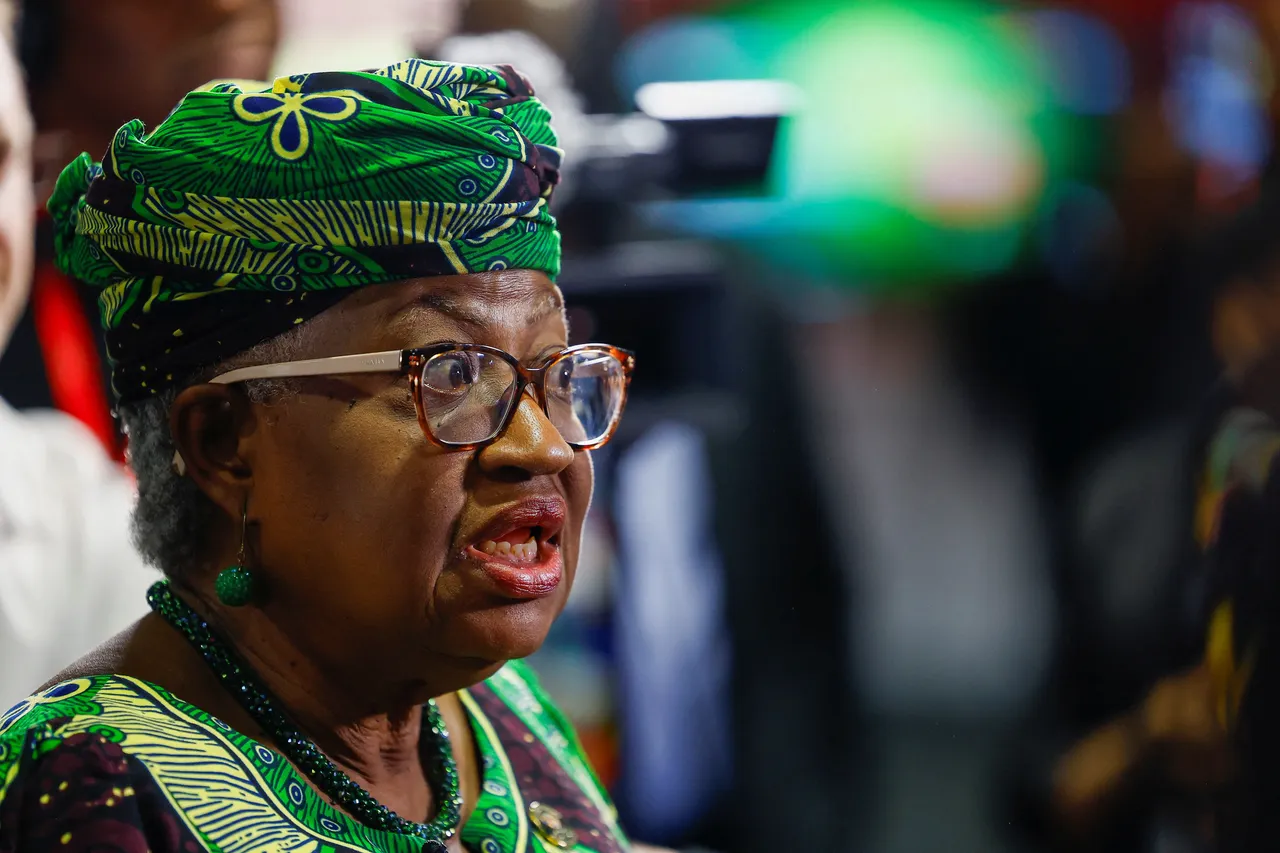
Trade ministers from across the world gathered in Cameroon on Tuesday for the 14th Ministerial Conference of the World Trade Organization (WTO), as intensifying geopolitical conflicts cast a long shadow over global commerce and supply chains.
The two-day summit opens against a backdrop of mounting instability in the Middle East, where escalating hostilities involving the United States, Israel and Iran have disrupted key shipping routes and triggered volatility in global energy markets. The fallout has reverberated across continents, raising concerns about the resilience of international trade systems already strained by protectionist policies and economic fragmentation.
Delegations from the WTO’s 166 member states are expected to confront a rapidly deteriorating economic environment marked by conflict, rising tariffs, and the increasing use of unilateral trade measures. Central to the discussions is the urgent need to reinforce a rules-based multilateral trading system at a time when global cooperation appears increasingly fragile.
Diplomats say the recent military exchanges in the Middle East have compounded existing vulnerabilities in maritime trade, particularly along strategic corridors. Energy exports have been disrupted, insurance costs for shipping have surged, and logistical bottlenecks are intensifying inflationary pressures worldwide.
“The credibility of the multilateral trading system is being tested in unprecedented ways,” one delegate said ahead of the talks. “What happens here will determine whether global trade can remain predictable and rules-driven, or slide further into fragmentation.”
At the heart of the conference lies a broader debate over the effectiveness and future direction of the WTO itself. Established in 1995 to provide a legal and institutional framework for global trade, the organisation has faced growing criticism in recent years for its inability to resolve disputes efficiently and adapt to emerging economic realities.
Calls for reform have intensified since the 2017 ministerial conference in Buenos Aires, with member states divided over how to modernise the institution. Key sticking points include dispute settlement mechanisms, digital trade governance, and the role of developing economies in a rapidly evolving global marketplace.
Negotiators in Cameroon are also expected to revisit long-stalled agricultural trade talks that date back more than two decades. Efforts to create a fair and competitive global agricultural market have repeatedly faltered due to disagreements between developed and developing nations over subsidies, market access, and food security protections.
In parallel, discussions on fisheries subsidies are set to feature prominently, with environmental and economic concerns intersecting in debates over how to regulate government support for the fishing industry without undermining livelihoods in poorer nations.
Among those attending is Türkiye’s trade minister, Omer Bolat, who is scheduled to hold a series of bilateral meetings on the sidelines of the conference. Ankara is expected to advocate for structural reforms aimed at restoring the WTO’s functionality and credibility.
Turkish officials have reiterated their commitment to a transparent and inclusive trading system, emphasising the need to ensure that developing countries can integrate into global markets while being shielded from arbitrary trade barriers.
As the conference unfolds, expectations remain tempered. While incremental progress is possible, deep divisions persist among member states, underscoring the complexity of reaching consensus in an increasingly polarised geopolitical climate.
For many observers, the stakes extend far beyond technical trade rules. The outcome of the Cameroon summit may well signal whether multilateralism can endure in an era defined by conflict and competition, or whether the global trading system is entering a period of sustained uncertainty.