
Bamako — A series of planned attacks by armed groups across Mali on Saturday has shown that the country is becoming less secure under military rule. Gunfire and explosions were heard in the capital, Bamako, and in several important towns. Experts say this is the largest attack in recent years.
Mali’s army said it was fighting “terrorist groups” that attacked military bases at the same time in Bamako and other places, including Kati, an important military town near the capital. People in the area said they heard continuous shooting and explosions near a main army base and the international airport. Helicopters were flying above the city.
The attacks seemed carefully planned, happening in several cities at once, including Gao, Kidal and Sévaré. In Bamako, flights were stopped because fighting came close to the international airport. This shows a serious failure of security in a city that had been mostly safe from such large attacks in recent years.
At first, no group said it was responsible. Later reports suggested that Jama’at Nusrat al-Islam wal-Muslimin (JNIM), a group linked to al-Qaida, and the Azawad Liberation Front (FLA), led by Tuareg fighters, may have been involved. The FLA said it had taken control of Kidal and parts of Gao, but this has not been confirmed.
A spokesperson for the Malian army said that unknown armed groups had attacked military bases and other places. He asked people to stay calm while security forces tried to stop the attackers. By midday, officials said the situation was under control, but some shooting was still heard.
The United Nations called the attacks “complex and happening at the same time.” The United States embassy in Bamako told its citizens to stay indoors. The African Union also condemned the violence and warned that it could harm civilians and affect stability in the region.
These attacks show that the security situation in Mali is getting worse. Islamist armed groups linked to al-Qaida and Islamic State have become stronger during more than ten years of conflict. They now control large areas in the north and centre of the country and often attack both soldiers and civilians.
The situation is made more difficult by a long conflict with Tuareg separatist groups, who want to create an independent state called Azawad. A peace agreement in 2015 reduced fighting for a time, but it has recently broken down, leading to new clashes in important areas such as Kidal.
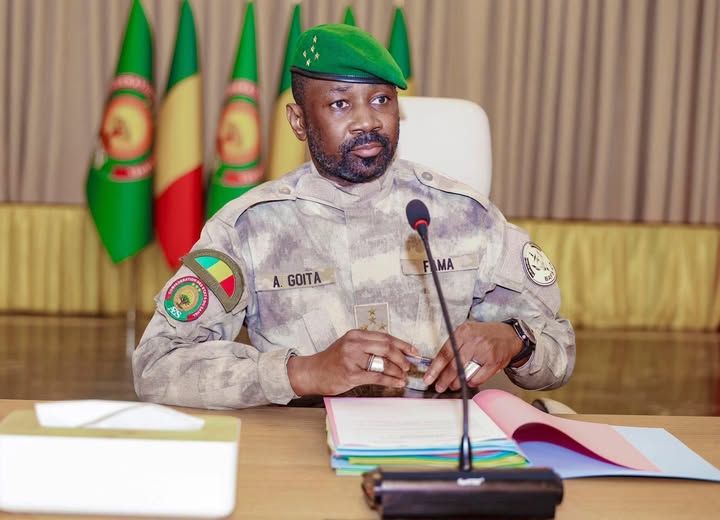
Mali is currently ruled by the military, led by General Assimi Goïta, who took power in coups in 2020 and 2021. He promised to improve security, but experts say attacks have become more frequent and more serious.
The government has also changed its foreign partnerships. It has ended relations with France and other Western countries and has instead worked with Russia for military support. Russian fighters have been involved in operations against armed groups.
However, the presence of foreign forces has not stopped the violence. Experts say armed groups have changed their methods and become more organised. The cooperation between jihadist groups and Tuareg fighters in these attacks is especially worrying.
The attacks are also affecting daily life and the economy. Recently, armed groups blocked fuel supplies to Bamako, causing serious shortages and stopping many activities in the city. Fuel has been limited and used mainly for electricity.
Inside the country, the military government has increased its control. Political parties have been dissolved, and plans to return to civilian rule have been delayed. In July 2025, Goïta gave himself a five-year term as president without elections, which has been criticised.
Human rights groups say that the army and its allies have harmed civilians suspected of helping militants. This has increased anger among the population, which armed groups may use to recruit new members.
For many people in Bamako, the attacks have destroyed their sense of safety. One person said, “There is gunfire everywhere,” while another said that explosions shook their house.
Although the government says the situation is under control, the size and organisation of the attacks have raised serious doubts about its ability to bring stability. With many armed groups active across large areas, and instability spreading to nearby countries like Niger and Burkina Faso, the conflict in Mali is likely to continue.
The attacks show that, six years after the first coup, the promise of peace and order has still not been achieved—and may be becoming even more difficult to reach.