

Saturday, May 9, 2026
  • Who’sWho Africa AWARDS
  • About TimeAfrica Magazine
  • Contact Us
Time Africa Magazine
  • Home
  • Magazine
  • WHO’SWHO AWARDS
  • News
  • World News
    • US
    • UAE
    • Europe
    • UK
    • Israel-Hamas
    • Russia-Ukraine
  • Politics
  • Crime
  • Lifestyle
  • Sports
  • Column
  • Interviews
  • Special Report
No Result
View All Result
Time Africa Magazine
  • Home
  • Magazine
  • WHO’SWHO AWARDS
  • News
  • World News
    • US
    • UAE
    • Europe
    • UK
    • Israel-Hamas
    • Russia-Ukraine
  • Politics
  • Crime
  • Lifestyle
  • Sports
  • Column
  • Interviews
  • Special Report
No Result
View All Result
Time Africa Magazine
No Result
View All Result
  • Home
  • WHO’SWHO AWARDS
  • News
  • Magazine
  • World News

Home » Special Report » ECOWAS Warns Gulf Tensions Could Hit West Africa’s Fragile Economies

ECOWAS Warns Gulf Tensions Could Hit West Africa’s Fragile Economies

March 2, 2026
in Special Report
0
Share on FacebookShare on Twitter

The Economic Community of West African States (ECOWAS) has issued a pointed warning that escalating hostilities in the Gulf could reverberate far beyond the Middle East, potentially triggering economic shockwaves across West Africa’s fragile economies and deepening hardship for millions of ordinary citizens.

In a statement released under the chairmanship of Julius Maada Bio of Sierra Leone, the 12-member bloc aligned itself with concerns earlier raised by the African Union Commission, featuring growing continental anxiety over intensifying military exchanges, in a region central to global energy flows. With this, energy dependence meets market volatility because of regional military unrest. At the centre of ECOWAS’ concern, lies the Gulf’s pivotal role in global oil and gas supply. While several West African nations export crude, most remain heavily dependent on imported refined petroleum products. Analysts say this structural imbalance leaves countries exposed to price volatility they do not control.

From Lagos to Freetown, households across different cities are experiencing rising global oil prices, which often translate swiftly into higher transport fares, electricity tariffs and food costs. Market traders interviewed in coastal communities say even rumors of instability abroad can trigger speculative price increases locally.
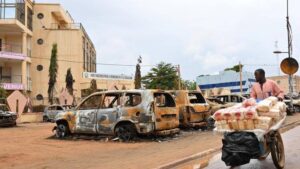
Economists warn that sustained disruption in Gulf energy markets could intensify inflationary pressures already straining West African currencies. Many governments, grappling with mounting debt and limited fiscal space, may struggle to cushion citizens from rising costs without widening budget deficits.

ReadAlso

Mali and Niger accuse neighbours of backing terrorism in Sahel rift

Guinea-Bissau sets December 6 date for general elections after military coup

ECOWAS also highlighted the strategic importance of maritime corridors linked to the Strait of Hormuz, through which a significant portion of global energy and commercial goods transit. Any obstruction of these routes could further destabilize global supply chains still recovering from the COVID-19 pandemic and the Russia-Ukraine conflict. As for West African importers, delays or surging freight costs can disrupt supplies of essential commodities ranging from medicine to machinery parts. Shipping agents in regional ports caution that insurance premiums for vessels transiting high-risk zones could spike, adding yet another layer of cost passed on to consumers.

The region’s food security remains particularly vulnerable. Several West African countries depend heavily on imported wheat, fertiliser and agricultural inputs tied to global markets sensitive to geopolitical shocks. Past crises have shown how quickly international turmoil can push up bread prices and fertiliser costs, squeezing both urban consumers and rural farmers. Agricultural policy experts state that the warning from ECOWAS should prompt renewed investment in regional food production and value chains. Without structural reforms, they say, West Africa will continue to “import inflation” whenever global tensions rise.

ADVERTISEMENT

Away from economics, the statement carries diplomatic weight. By aligning with the African Union, ECOWAS signaled a coordinated continental approach emphasizing restraint, respect for sovereignty and adherence to international law. The bloc called on all parties to protect civilians and critical infrastructure, reiterating that dialogue remains the only sustainable path to de-escalation. Observers note that ECOWAS’ swift response reflects a broader recognition that African economies are increasingly intertwined with global geopolitics. In a period marked by coups, democratic transitions and security challenges within parts of West Africa, external economic shocks could exacerbate domestic instability.
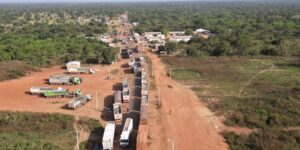
While the Gulf conflict unfolds thousands of kilometers away, its potential ripple effects are already being debated in finance ministries, central banks and marketplaces across the region. Rising fuel subsidies, weakened currencies and growing public frustration over living costs could test governments’ social contracts.

ECOWAS’ message is clear: what happens in distant theatres of conflict does not stay there. For West Africa, the stakes are not abstract geopolitical calculations, but the daily realities of food prices, job security and economic resistance. As tensions mount, the bloc’s appeal for diplomacy highlights a pragmatic truth in an interconnected world; stability in one region is inseparable from stability in another.

Related

Tags: Economic Warning West AfricaECOWASGulf Conflict EffectsRegional TradeWest Africa Economy
ADVERTISEMENT
Previous Post

If Iran Boycotts 2026 World Cup After US Strikes, Who Could Replace Them?

Next Post

A better Nigeria is possible, and we enjoin everyone to contribute to building our nation

You MayAlso Like

Lavinia and Michelle discovered they are half-sisters (BBC)
Special Report

How twin sisters born minutes apart discovered they had different fathers

May 2, 2026
Representative image
Special Report

Family Alleges Doctor Left Scissors Inside Woman, Days of Agony End in Death

April 26, 2026
Special Report

Tshiamiso Trust amendment could block compensation for thousands of sick and dying miners, warns Justice for Miners

April 22, 2026
Special Report

IMF Warns of Mounting Economic Pressures for Sub-Saharan Africa Amid Global Instability

April 14, 2026
Special Report

Meet The Founder Who Came To Nigeria By Chance, Saw Tomatoes Going To Waste, And Built Africa’s Most Ambitious Agribusinesses

April 12, 2026
Special Report

Fuel Crisis Drives Ethiopia to Brink, War Shock Exposes Deep Economic Fault Lines

April 12, 2026
Next Post

A better Nigeria is possible, and we enjoin everyone to contribute to building our nation

Women’s Economic-Opportunity Laws Only Half-Enforced Globally

Discussion about this post

No Content Available
    • Trending
    • Comments
    • Latest

    US World Cup 2026 hotel bookings lag as demand falls short of expectations

    May 6, 2026

    How Senator Ned Nwoko Changed My Life Through His Scholarship

    May 6, 2026

    World Asthma Day 2026: CIDO Foundation Provides Free Asthma Care in Delta State

    May 6, 2026

    Peter Obi Explains Exit from ADC

    May 3, 2026

    ABOUT US

    Time Africa Magazine

    TIMEAFRICA MAGAZINE is an African Magazine with a culture of excellence; a magazine without peer. Nearly a third of its readers hold advanced degrees and include novelists, … READ MORE >>

    SECTIONS

    • Aviation
    • Column
    • Crime
    • Europe
    • Featured
    • Gallery
    • Health
    • Interviews
    • Israel-Hamas
    • Lifestyle
    • Magazine
    • Middle-East
    • News
    • Politics
    • Press Release
    • Russia-Ukraine
    • Science
    • Special Report
    • Sports
    • TV/Radio
    • UAE
    • UK
    • US
    • World News

    Useful Links

  • AllAfrica
  • Channel Africa
  • El Khabar
  • The Guardian
  • Cairo Live
  • Le Republicain
  • Magazine: 9771144975608
  • Subscribe to TIMEAFRICA MAGAZINE biweekly news magazine

    Enjoy handpicked stories from around African continent,
    delivered anywhere in the world

    Subscribe

    • About TimeAfrica Magazine
    • Privacy Policy
    • Contact Us
    • WHO’SWHO AWARDS

    © Copyright TimeAfrica Magazine Limited 2026 - All rights reserved.

    No Result
    View All Result
    • WHO’SWHO AWARDS
    • Politics
    • Column
    • Interviews
    • Gallery
    • Lifestyle
    • Special Report
    • Sports
    • TV/Radio
    • Aviation
    • Health
    • Science
    • World News

    © Copyright TimeAfrica Magazine Limited 2026 - All rights reserved.

    This website uses cookies. By continuing to use this website you are giving consent to cookies being used. Visit our Privacy and Cookie Policy.