
Saturday, May 9, 2026
  • Who’sWho Africa AWARDS
  • About TimeAfrica Magazine
  • Contact Us
Time Africa Magazine
  • Home
  • Magazine
  • WHO’SWHO AWARDS
  • News
  • World News
    • US
    • UAE
    • Europe
    • UK
    • Israel-Hamas
    • Russia-Ukraine
  • Politics
  • Crime
  • Lifestyle
  • Sports
  • Column
  • Interviews
  • Special Report
No Result
View All Result
Time Africa Magazine
  • Home
  • Magazine
  • WHO’SWHO AWARDS
  • News
  • World News
    • US
    • UAE
    • Europe
    • UK
    • Israel-Hamas
    • Russia-Ukraine
  • Politics
  • Crime
  • Lifestyle
  • Sports
  • Column
  • Interviews
  • Special Report
No Result
View All Result
Time Africa Magazine
No Result
View All Result
  • Home
  • WHO’SWHO AWARDS
  • News
  • Magazine
  • World News

Home » Column » Peter Obi | The Imperative of Diversifying Port Development in Nigeria

Peter Obi | The Imperative of Diversifying Port Development in Nigeria

October 25, 2025
in Column
0
Share on FacebookShare on Twitter

I have noted the Federal Government’s recent approval of $1 billion (₦1.5 trillion) for the modernisation of the Apapa and TinCan Island Ports in Lagos. While any effort to improve efficiency and embrace technology in our maritime sector is commendable, such an initiative must be guided by accountability, transparency, and equity for all Nigerians. However, this development once again exposes a longstanding concentration of our port development only in Lagos.

Nigeria’s infrastructure investment remains excessively concentrated in Lagos, often at the expense of other strategic ports such as Warri, Port Harcourt, Calabar, and Onne. If fully developed, these ports could enhance productivity, drive trade, create jobs, and open new economic corridors that would lift millions out of poverty across the federation.
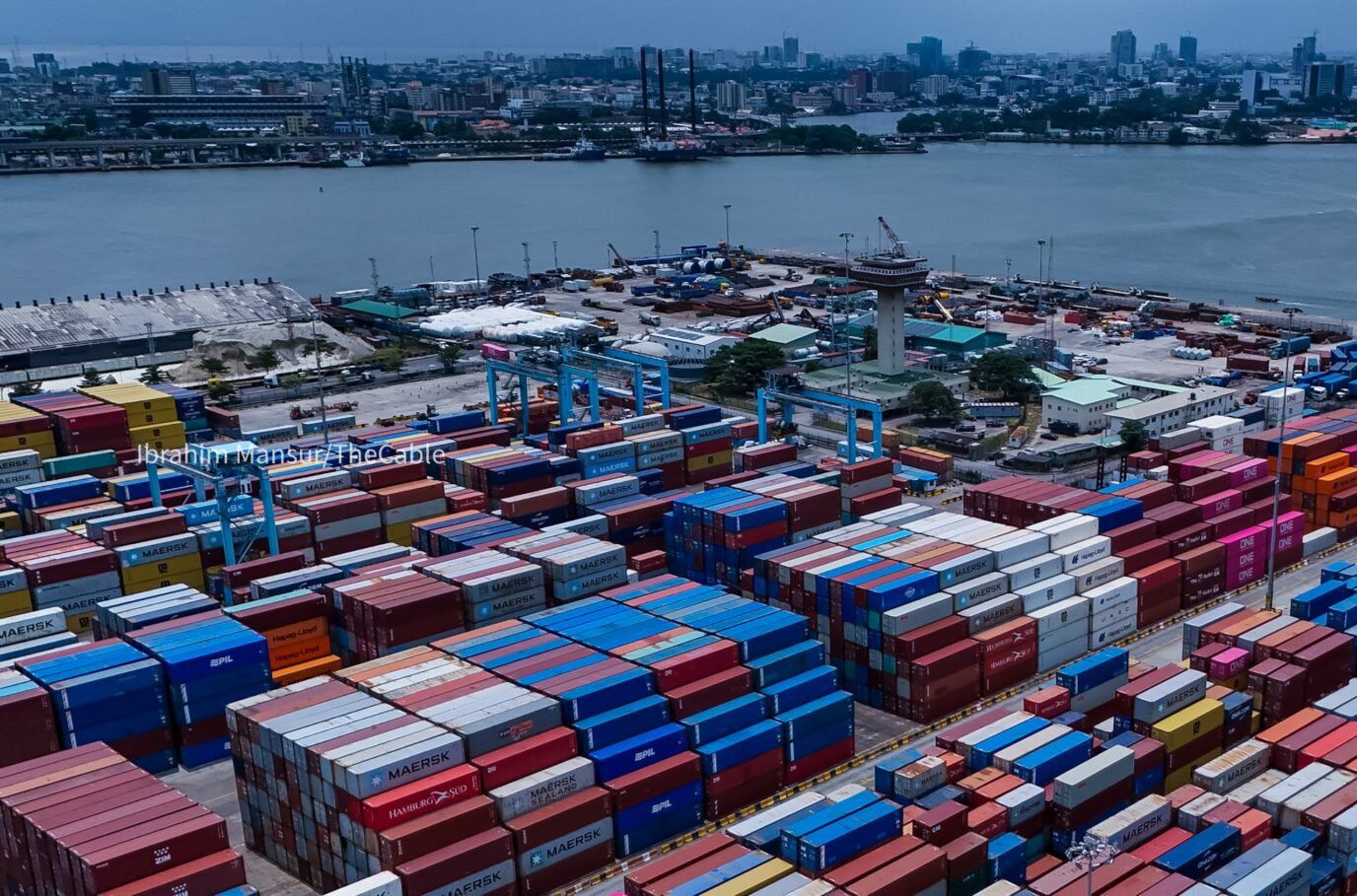
Around the world, countries that have decentralised port development are reaping immense economic benefits. Vietnam operates over 300 ports — from Haiphong in the north to Da Nang in the centre and Ho Chi Minh City in the south — ensuring nationwide connectivity. Indonesia boasts about 111 commercial ports distributed across its territory to guarantee balanced access to trade. South Africa maintains eight major seaports — from Durban and Richards Bay on the Indian Ocean to Cape Town and Saldanha Bay on the Atlantic — reflecting a vision of maritime inclusion. Egypt runs about 15 commercial ports along both the Mediterranean and the Red Sea coasts; Morocco has about 14 ports open to international trade, including Casablanca, Tangier Med, and Agadir, distributed along its Atlantic and Mediterranean shorelines; and Algeria operates about 10 commercial ports spread across its extensive Mediterranean coast. Even Ghana, with only two major ports — Tema and Takoradi — ensured they are geographically decentralised on opposite ends of its coastline.

ReadAlso

Peter Obi Explains Exit from ADC

Unedited Explosive Report on Nigeria by US Former Major

These nations have grasped a simple truth: no country seeking to maximise its blue economy concentrates all maritime activities in a single city. Decentralisation reduces congestion, improves logistics, enhances national security, and promotes balanced economic growth. In Nigeria, however, more than 70 per cent of port activities are still concentrated in Lagos, burdening the city with chronic congestion, high demurrage costs, environmental degradation, and delays that discourage investors and inflate the cost of goods nationwide. Developing other ports is, therefore, not merely an infrastructural necessity but a national imperative. Revitalising Warri, Port Harcourt, Calabar, and Onne would decongest Lagos, reduce shipping costs, attract investment, create employment, and stimulate regional economies.

As one who understands the critical link between infrastructure, trade, and national growth, I believe that a truly national blue economy must carry every region along. Beyond physical infrastructure, reform must also address corruption, reduce bureaucracy, and embrace technology to create a seamless, paperless port system that enhances turnaround time and global competitiveness. If prudently managed, the Lagos modernisation project could become a model for broader maritime transformation — a reference point from which similar development radiates across the nation.

ADVERTISEMENT

Now more than ever, Nigeria must rebuild with fairness, guided by equity, integrity, and a clear vision to transform our nation from one of consumption to one of production and shared prosperity.

A New Nigeria is POssible – PO

Related

Tags: NigeriaNPAPeter ObiPort Development
ADVERTISEMENT
Previous Post

Africa Tech Festival 2025 to Spotlight Cybersecurity, Cloud Resilience in Africa’s Digital Growth

Next Post

Presidents Are Limited to Two Terms. He’s Running for His Fourth

You MayAlso Like

Column

How Senator Ned Nwoko Changed My Life Through His Scholarship

May 6, 2026
Column

Who will be the next UN chief?

April 26, 2026
Tuaregs fighters of the Coordination of Movements of the Azawad (CMA) gather near Kidal, Mali, Sept. 28, 2016. (AFP)
Column

Mali War Update: Kidal Clashes, Jihadist Alliances, and Nationwide Attacks Explained

April 26, 2026
Column

How Ghana is championing Pan-Africanism

April 23, 2026
Column

Igbo Politicians Alignment to the “Centre” Politics: Opportunism Without Results—Until Peter Obi | By Chidipeters Okorie

April 21, 2026
Column

Diezani Alison-Madueke trial exposes gulf between Nigeria’s elite wealth and public hardship

April 14, 2026
Next Post

Presidents Are Limited to Two Terms. He’s Running for His Fourth

Iyasei of Ogwashi Uku, Chief Mike Nwaukoni marks annual Ineh Festival in grand style

Discussion about this post

World Asthma Day 2026: CIDO Foundation Provides Free Asthma Care in Delta State

How Senator Ned Nwoko Changed My Life Through His Scholarship

  • World Asthma Day 2026: CIDO Foundation Provides Free Asthma Care in Delta State

    542 shares
    Share 217 Tweet 136
  • How Senator Ned Nwoko Changed My Life Through His Scholarship

    545 shares
    Share 218 Tweet 136
  • Trending
  • Comments
  • Latest

World Asthma Day 2026: CIDO Foundation Provides Free Asthma Care in Delta State

May 6, 2026

How Senator Ned Nwoko Changed My Life Through His Scholarship

May 6, 2026

US World Cup 2026 hotel bookings lag as demand falls short of expectations

May 6, 2026

How Senator Ned Nwoko Changed My Life Through His Scholarship

May 6, 2026

World Asthma Day 2026: CIDO Foundation Provides Free Asthma Care in Delta State

May 6, 2026

Peter Obi Explains Exit from ADC

May 3, 2026

ABOUT US

Time Africa Magazine

TIMEAFRICA MAGAZINE is an African Magazine with a culture of excellence; a magazine without peer. Nearly a third of its readers hold advanced degrees and include novelists, … READ MORE >>

SECTIONS

  • Aviation
  • Column
  • Crime
  • Europe
  • Featured
  • Gallery
  • Health
  • Interviews
  • Israel-Hamas
  • Lifestyle
  • Magazine
  • Middle-East
  • News
  • Politics
  • Press Release
  • Russia-Ukraine
  • Science
  • Special Report
  • Sports
  • TV/Radio
  • UAE
  • UK
  • US
  • World News

Useful Links

  • AllAfrica
  • Channel Africa
  • El Khabar
  • The Guardian
  • Cairo Live
  • Le Republicain
  • Magazine: 9771144975608
  • Subscribe to TIMEAFRICA MAGAZINE biweekly news magazine

    Enjoy handpicked stories from around African continent,
    delivered anywhere in the world

    Subscribe

    • About TimeAfrica Magazine
    • Privacy Policy
    • Contact Us
    • WHO’SWHO AWARDS

    © Copyright TimeAfrica Magazine Limited 2026 - All rights reserved.

    No Result
    View All Result
    • WHO’SWHO AWARDS
    • Politics
    • Column
    • Interviews
    • Gallery
    • Lifestyle
    • Special Report
    • Sports
    • TV/Radio
    • Aviation
    • Health
    • Science
    • World News

    © Copyright TimeAfrica Magazine Limited 2026 - All rights reserved.

    This website uses cookies. By continuing to use this website you are giving consent to cookies being used. Visit our Privacy and Cookie Policy.