

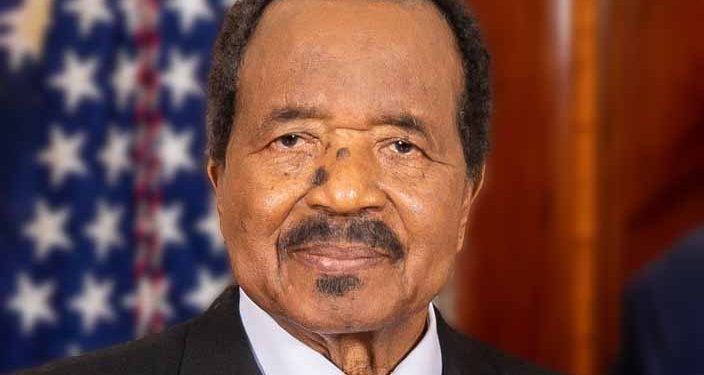
As western Africa grapples with coups and political instability, Cameroon remains a focal point in the regional discourse about governance, democracy, and civil order. The longstanding presidency of Paul Biya, marked by an iron-fisted rule since 1982, presents a paradox in a rapidly changing political landscape. While Biya’s administration has managed to suppress dissent through various means, recent developments signal a heightened risk of a coup. This analysis delves into the factors contributing to the increasing coup risk in Cameroon under Biya’s regime, examining historical precedents, sociopolitical dynamics, and the international context.
Paul Biya ascended to the presidency in 1982 after the resignation of his predecessor, Ahmadou Ahidjo, the founding father of Cameroon. Biya’s tenure, one of the longest in African politics, has been characterized by an autocratic approach, employing a mix of patronage politics, repression, and occasional reforms. The political landscape in Cameroon has seen little room for genuine competition, with elections often marred by accusations of fraud and suppression of opposition parties.
Over the past decade, Cameroon has faced significant challenges, including sociopolitical unrest, particularly in the Anglophone regions where a movement for independence has gained momentum. This discontent has been met with brutal government crackdowns, leading to a deterioration of human rights and civil liberties. Coupled with economic struggles, as evidenced by declining GDP growth and rising unemployment, these factors have contributed to an increasingly volatile political environment.
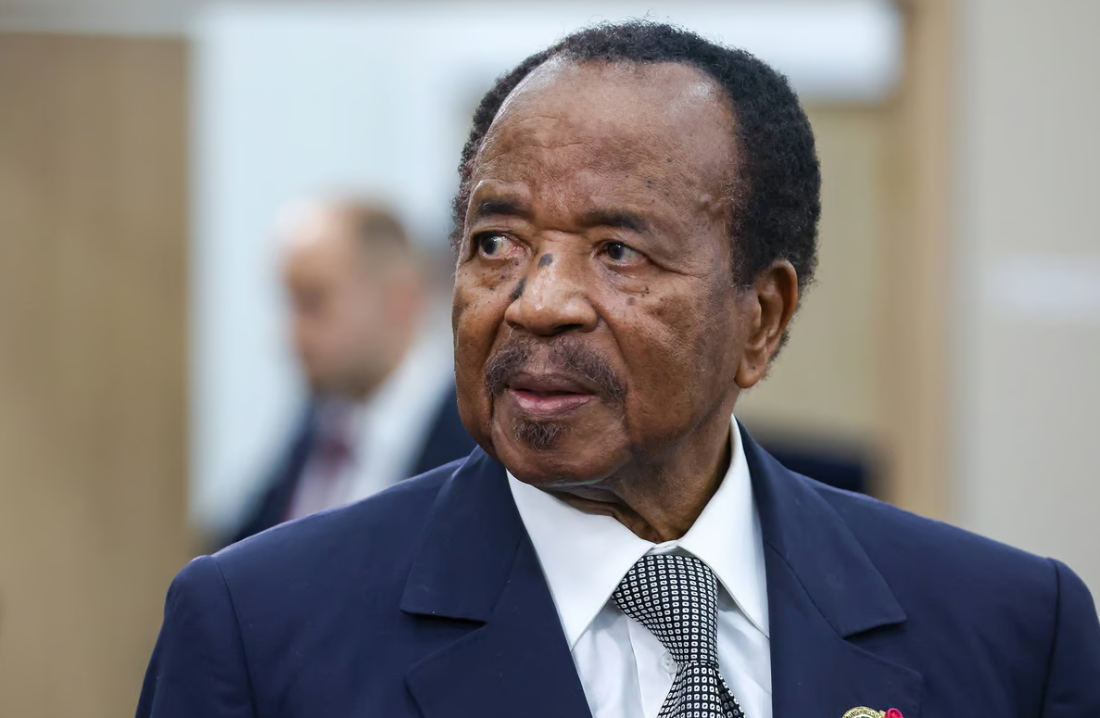
The Cameroonian military, historically a bastion of support for Biya’s rule, is increasingly fractured. Reports suggest discontent among the ranks due to inadequate funding, poor working conditions, and ongoing military operations against separatist groups. A disgruntled military could be a breeding ground for coup conspiracies, particularly if dissatisfaction grows to a critical mass.
Cameroon is home to over 250 ethnic groups, with distinct cleavages that can be politically exploited. The Anglophone crisis, coupled with longstanding regional disparities, presents an inherent risk to national unity. With Biya’s government perceived as favoring certain regions and ethnic groups, disenfranchised communities may rally behind military factions or political leaders seeking to seize power.
With Paul Biya’s advancing age—he is over 90 years old—there is growing speculation regarding his succession and the future direction of political power. Coups often occur in contexts where succession is ambiguous, leading to power vacuums. Biya’s reluctance to name a successor or implement a transitional plan exacerbates this uncertainty, leaving the door ajar for ambitious military leaders or political figures.
The economic hardships exacerbated by the COVID-19 pandemic, combined with a lack of political freedoms, have led to growing public discontent. Social movements and protests, often met with violent crackdowns, could culminate in a broader uprising or military intervention if they intensify and find a suitable political ally.
The “domino effect” of coups across West and Central Africa, including recent upheavals in Mali, Burkina Faso, and Gabon, creates an atmosphere conducive to similar actions in Cameroon. The success or relative ease of these coups can inspire disgruntled elements within Cameroon to consider a coup as a legitimate course of action.
While the international community often condemns coups, there is little engagement with the underlying systemic issues that give rise to them. In Biya’s case, international actors, including France and the United States, have historically maintained a degree of support, prioritizing stability over democratic reforms. This approach, however, may backfire; should political unrest escalate into widespread violence, a rapid deterioration of the situation could necessitate international intervention or sanctions, thus compounding the crisis and creating an environment that encourages a coup.
Comparing Cameroon’s situation to other African nations facing similar tensions provides a clearer picture of the coup risk. Countries like Sudan and Zimbabwe illustrate how a combination of military dissatisfaction and public discontent can precipitate a rapid, if often chaotic change in regime. Factors such as deep-rooted corruption and economic despair often act as catalysts, enabling previously marginalized factions to band together against a shared common enemy—the sitting president.
The prospect of a coup in Cameroon under Paul Biya’s administration is increasingly plausible as multiple intersecting factors create a precarious political environment. Military discontent, regional tensions, public unrest, and uncertainty surrounding succession combine to heighten the risk of a potential uprising.
However, it is crucial to recognize that a coup may not necessarily result in positive change. Historical lessons from the continent suggest that such power transitions can lead to further instability and violence. As Cameroon stands at this crossroads, both leaders and citizens face paramount questions about national identity, governance, and the future of democracy.
Given the current landscape, several steps can be taken to mitigate the risk of a coup and foster a more stable political environment. A robust national dialogue involving all stakeholders—political leaders, civil society, and the military—can help address grievances and foster a sense of national unity. Building strong, independent institutions capable of managing succession and governing fairly will reduce uncertainty and potential power struggles. International actors should focus on supporting democratic reforms and human rights rather than merely maintaining the status quo. Ensuring that all ethnic and regional groups feel represented in the political process is crucial to national cohesion.
Ultimately, the path forward for Cameroon requires a commitment to dialogue and meaningful reform, lest the specter of a coup haunt the nation’s future. While the risks are palpable, addressing the root causes of discontent can create a more harmonious political climate, steering Cameroon away from the precipice of infamy that so many of its neighbors have faced.










Discussion about this post