
Friday, May 8, 2026
  • Who’sWho Africa AWARDS
  • About TimeAfrica Magazine
  • Contact Us
Time Africa Magazine
  • Home
  • Magazine
  • WHO’SWHO AWARDS
  • News
  • World News
    • US
    • UAE
    • Europe
    • UK
    • Israel-Hamas
    • Russia-Ukraine
  • Politics
  • Crime
  • Lifestyle
  • Sports
  • Column
  • Interviews
  • Special Report
No Result
View All Result
Time Africa Magazine
  • Home
  • Magazine
  • WHO’SWHO AWARDS
  • News
  • World News
    • US
    • UAE
    • Europe
    • UK
    • Israel-Hamas
    • Russia-Ukraine
  • Politics
  • Crime
  • Lifestyle
  • Sports
  • Column
  • Interviews
  • Special Report
No Result
View All Result
Time Africa Magazine
No Result
View All Result
  • Home
  • WHO’SWHO AWARDS
  • News
  • Magazine
  • World News

Home » Health » Two Genes Are Responsible for the Most Aggressive Forms of Prostate Cancer

Two Genes Are Responsible for the Most Aggressive Forms of Prostate Cancer

October 14, 2024
in Health
0
Share on FacebookShare on Twitter

Treating prostate cancer has always been trickier than most patients anticipate. Unlike other cancers, most prostate tumors are slow-growing and emerge late in life, so the majority of men affected are more likely to die of other causes than their cancer. For up to 15% of cases, however, the disease can be fast-moving and life-threatening, and because doctors don’t have good ways of separating these aggressive cases from the less dangerous ones, many physicians and patients prefer to err on the side of over-treatment.
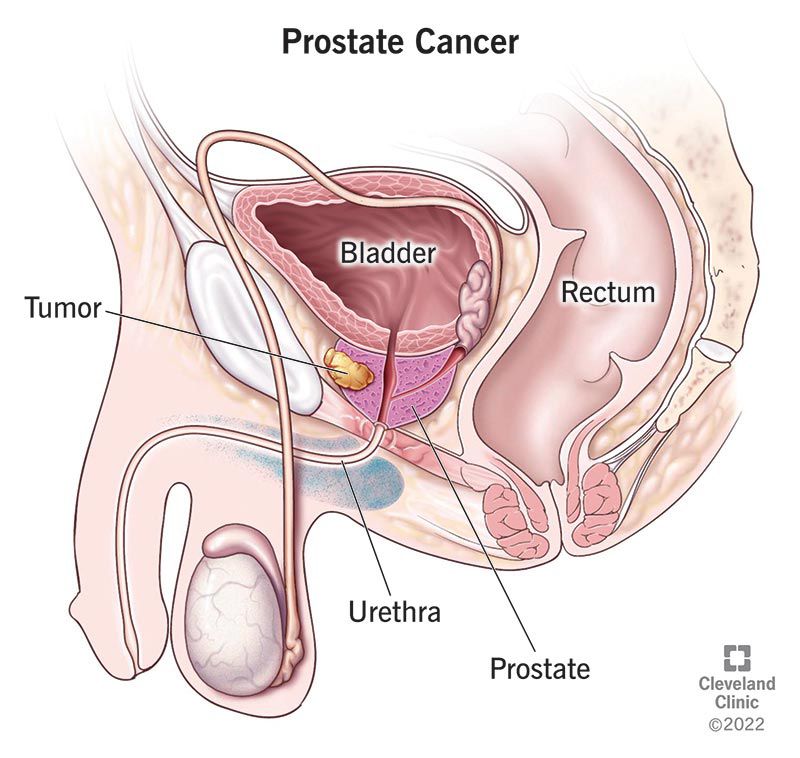
Recent changes to prostate screening recommendations advising men not to get routine blood tests that can signal the disease have made matters more confusing for men worried about the disease.

That may soon change, thanks to a test that can pick out the slow-growing cancers from the faster-growing ones. Researchers at Columbia University report in the journal Cancer Cell that they have identified two genes that are likely driving the most aggressive cases of prostate cancer.

ReadAlso

Netanyahu reveals he quietly underwent treatment for prostate cancer

Breakthrough For Advanced Prostate Cancer Patients As New Drug Approved

Other scientists had linked the genes, FOXM1 and CENPF, to cancer, but none had connected them to prostate growths. And more importantly, none had figured out that the two genes’ cancer-causing effects only occurred if they are turned on at the same time.

Co-senior investigators Cory Abate-Shen of Columbia University Medical Center and Andrea Califano, director of Columbia’s Genome Center, found that both genes had to be active in order for the prostate cancers to progress.

ADVERTISEMENT

Having over-expression of either gene wasn’t sufficient to drive the prostate cancer to spread or grow more quickly.

“These two genes individually don’t do anything, or very little, but only when they are co-active do they produce aggressive forms of the disease,” says Califano. It’s not clear yet what makes the genes more active, but there are ways to control their expression and avoid the cancer-causing pathway, he says.

The genes, which are identified from a biopsy of prostate tumor tissue, could help doctors and patients triage the more dangerous forms of prostate cancer from the indolent ones. That means that men with suspicious growths could get a biopsy before deciding on treatments, much in the way that many women diagnosed with breast cancer do. If both genes are turned on and highly active, then they would be advised to get immediate treatment such as surgery, radiation or tumor-targeting drugs, or some combination of these. If neither gene, or only one is active, then doctors might recommend less intensive therapy while they monitored the tumors.

Having the biological back-up that suggests that the inactive genes are less likely to cause aggressive cancer could help many patients feel more comfortable with such a watchful waiting approach.

A test to distinguish prostate cancers is already in the works; in 2013, Califano, Abate-Shen and their colleagues identified three genes that were associated with slower-growing tumors that likely did not need immediate treatment.

They are in discussions with companies to develop a commercial test to put those genes together with the two newly isolated one associated with aggressive growth that could guide more targeted, and cost-effective, treatment of prostate cancer.


Related

Tags: Prostate Cancer
ADVERTISEMENT
Previous Post

Rare deluge floods parts of the Sahara desert for the first time in decades

Next Post

APC Welcomes 53 New Members as Party Intensifies Campaign for 2025 Anambra Governorship Election

You MayAlso Like

Health

World Asthma Day 2026: CIDO Foundation Provides Free Asthma Care in Delta State

May 6, 2026
Health

Africa’s Biggest Science Festival 2026 Brings 27 Nations Together in Abidjan

April 23, 2026
Health

Early signs of Parkinson’s disease is shown in the gut, study finds

April 20, 2026
A man suffering from monkeypox waits for treatment at Kamituga General Hospital in South Kivu (Congo), on September 4, 2024.   - 
Copyright © africanews
AP Photo/Moses Sawasawa
Health

Congo declares end of two‑year Mpox outbreak that killed over 2,000

April 3, 2026
Health

What is eye stroke? The rare side effect linked to weight loss injections

March 21, 2026
Health

Nigeria Lassa Fever Cases Fall but Death Rate Rises in 2026 Outbreak

March 17, 2026
Next Post

APC Welcomes 53 New Members as Party Intensifies Campaign for 2025 Anambra Governorship Election

Super Eagles' 20-Hour Ordeal in Libya

Super Eagles' 20-Hour Ordeal in Libya: A Timeline of Distress

Discussion about this post

World Asthma Day 2026: CIDO Foundation Provides Free Asthma Care in Delta State

How Senator Ned Nwoko Changed My Life Through His Scholarship

  • World Asthma Day 2026: CIDO Foundation Provides Free Asthma Care in Delta State

    542 shares
    Share 217 Tweet 136
  • How Senator Ned Nwoko Changed My Life Through His Scholarship

    545 shares
    Share 218 Tweet 136
  • Trending
  • Comments
  • Latest

World Asthma Day 2026: CIDO Foundation Provides Free Asthma Care in Delta State

May 6, 2026

How Senator Ned Nwoko Changed My Life Through His Scholarship

May 6, 2026

US World Cup 2026 hotel bookings lag as demand falls short of expectations

May 6, 2026

How Senator Ned Nwoko Changed My Life Through His Scholarship

May 6, 2026

World Asthma Day 2026: CIDO Foundation Provides Free Asthma Care in Delta State

May 6, 2026

Peter Obi Explains Exit from ADC

May 3, 2026

ABOUT US

Time Africa Magazine

TIMEAFRICA MAGAZINE is an African Magazine with a culture of excellence; a magazine without peer. Nearly a third of its readers hold advanced degrees and include novelists, … READ MORE >>

SECTIONS

  • Aviation
  • Column
  • Crime
  • Europe
  • Featured
  • Gallery
  • Health
  • Interviews
  • Israel-Hamas
  • Lifestyle
  • Magazine
  • Middle-East
  • News
  • Politics
  • Press Release
  • Russia-Ukraine
  • Science
  • Special Report
  • Sports
  • TV/Radio
  • UAE
  • UK
  • US
  • World News

Useful Links

  • AllAfrica
  • Channel Africa
  • El Khabar
  • The Guardian
  • Cairo Live
  • Le Republicain
  • Magazine: 9771144975608
  • Subscribe to TIMEAFRICA MAGAZINE biweekly news magazine

    Enjoy handpicked stories from around African continent,
    delivered anywhere in the world

    Subscribe

    • About TimeAfrica Magazine
    • Privacy Policy
    • Contact Us
    • WHO’SWHO AWARDS

    © Copyright TimeAfrica Magazine Limited 2026 - All rights reserved.

    No Result
    View All Result
    • WHO’SWHO AWARDS
    • Politics
    • Column
    • Interviews
    • Gallery
    • Lifestyle
    • Special Report
    • Sports
    • TV/Radio
    • Aviation
    • Health
    • Science
    • World News

    © Copyright TimeAfrica Magazine Limited 2026 - All rights reserved.

    This website uses cookies. By continuing to use this website you are giving consent to cookies being used. Visit our Privacy and Cookie Policy.