
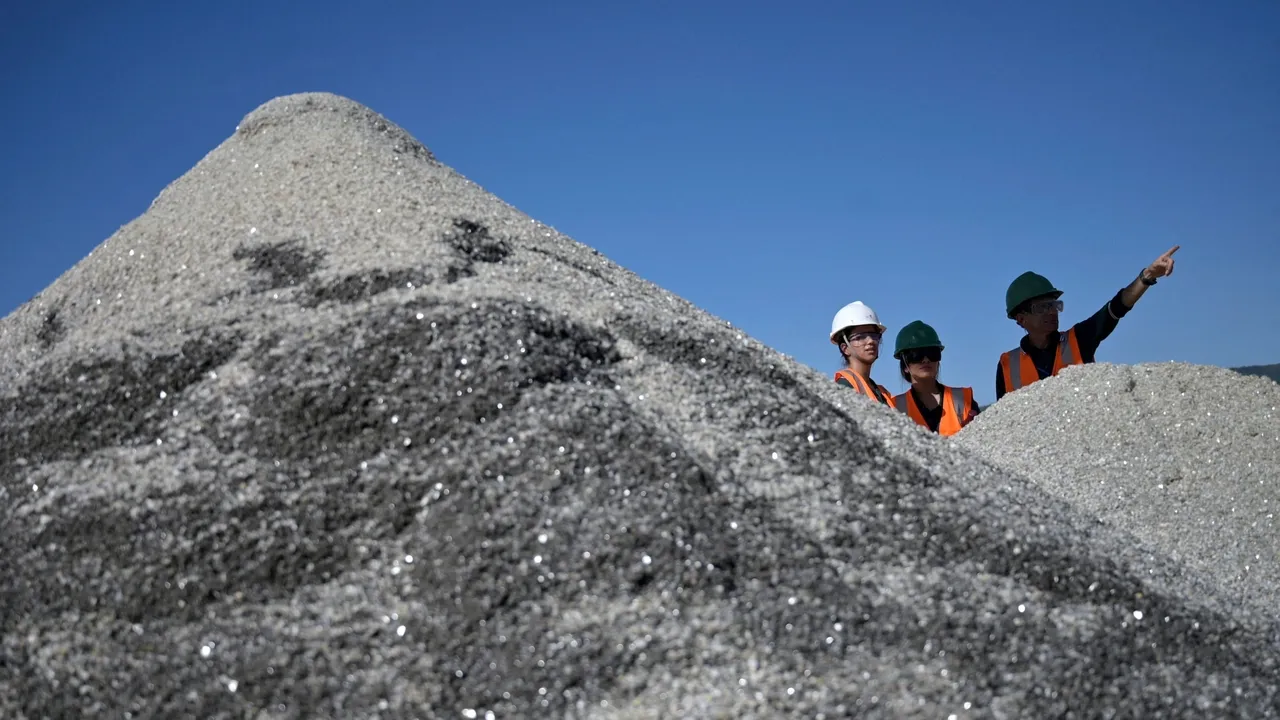
Zimbabwe has imposed an immediate ban on the export of raw lithium and lithium concentrates after authorities said they witnessed an “unprecedented and unacceptable scramble” by mining firms to ship the mineral out of the country ahead of a previously announced deadline.
The surprise move, announced last Wednesday, fast-tracks a ban that had originally been scheduled to take effect in January 2027. Officials said the earlier timeline was designed to give producers time to invest in domestic processing and refining facilities, part of a broader strategy to ensure the country captures more value from its vast mineral wealth.
But the government said events on the ground forced its hand.
“Regrettably, in the period following that announcement, we witnessed an unprecedented and unacceptable scramble,” Information Ministry permanent secretary Nick Mangwana said after a cabinet meeting. “Instead of preparing for value addition, some actors engaged in a frenzy of mining activity, seeking to extract and export as much raw lithium as possible before the deadline,” he wrote in a statement on social media.
Mangwana added that authorities had received reports of large quantities of lithium being “illicitly stockpiled in a neighbouring country,” denouncing what he described as a “plunder” of Zimbabwe’s “economic future.”
Lithium is a critical component in rechargeable batteries used in electric vehicles, smartphones and renewable energy storage systems. As the global energy transition accelerates, securing access to lithium, rare earths and other strategic minerals has become a priority for major economies seeking to shore up supply chains for green technologies and military equipment.
In recent years, several mineral-rich nations have tightened export controls in an effort to promote local beneficiation — the process of adding value to raw materials before export. Zimbabwe’s move follows a similar policy path adopted by countries such as Indonesia, which restricted exports of unprocessed nickel to build a domestic smelting industry.
Zimbabwe is Africa’s largest lithium producer and holds some of the world’s biggest hard-rock lithium deposits. According to the U.S. Geological Survey, the country ranks among the top global holders of lithium reserves, making it a key player in the rapidly expanding battery supply chain.
Exports have surged in recent years, driven largely by Chinese investment in Zimbabwean mines. Data released in early February by the Minerals Marketing Authority of Zimbabwe (MMCZ) showed that lithium concentrate shipments — mainly destined for China — reached 1.5 million metric tonnes last year. The exports generated $571.6 million in revenue for the government, underscoring the mineral’s growing importance to the national economy.
Chinese companies have acquired or developed several major lithium projects in Zimbabwe, including operations in the provinces of Mashonaland East and Masvingo. Analysts say the new export ban could disrupt supply flows in the short term, particularly for Chinese refiners reliant on Zimbabwean feedstock.
However, Harare argues the policy is necessary to ensure long-term economic benefits. By compelling mining firms to invest in local processing plants, the government hopes to create jobs, boost industrialisation and increase tax revenues from higher-value exports such as lithium carbonate and lithium hydroxide.
The immediate nature of the ban is likely to trigger negotiations between the government and mining companies, some of which may have already secured export contracts. Industry observers expect authorities to issue further guidelines clarifying how existing stockpiles and contractual obligations will be handled.
For Zimbabwe, the move signals a firmer stance on resource nationalism at a time when global competition for battery minerals is intensifying. Officials insist that while foreign investment remains welcome, the era of exporting raw materials with minimal domestic benefit is drawing to a close.