


Malaria is an infection caused by a tiny, blood-borne parasite, transmitted by the bites of infected female Anopheles mosquitoes. Symptoms can often be delayed until some time after exposure (a minimum of seven days but often four weeks or much longer), meaning the connection with travel may be forgotten, delaying diagnosis.
Diagnosing malaria depends on knowing that a person has been in a destination with a risk of the disease, since early symptoms can be non-specific, and malaria has a remarkable ability to be mistaken for other conditions.
The most common symptoms of malaria are: fever, usually above 38C and often intermittent; fatigue; aching muscles and joints; headache; chills (often with sweating and shivering); abdominal pains and diarrhoea; sometimes jaundice (yellowing of the skin and whites of eyes). Severe malaria can result in headache, fits and even death. Suspected malaria is therefore a medical emergency, and prompt treatment is effective and life-saving.
The bottom line
If you develop a fever or become unwell on return home from travelling abroad, seek medical advice promptly and make sure your doctor knows that you have been away.
What areas have risks of malaria?
Risk areas for malaria include many parts of Africa, Asia, Central and South America, the Caribbean and Oceania – including holiday destinations in parts of Thailand, India and Peru.
How to prevent malaria on your travels
Medical prevention
Four to six weeks before your holiday begins, seek advice from a travel clinic regarding antimalarial medications – a doctor can advise on where and whether they are needed, and the options likely to suit you best.
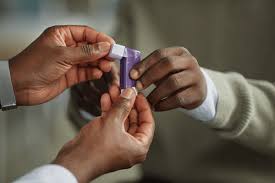
Malarone and doxycycline are the two most-commonly prescribed medications, usually tablets or capsules taken once a day. They need to be commenced before travel, taken while you are away and continued on your return home.
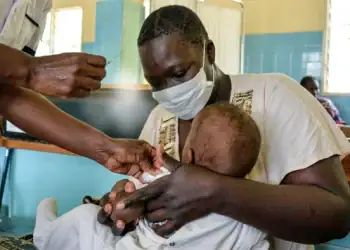
For now, there are no suitable malaria vaccines for travellers. However, promisingly, two important vaccines have recently become available to combat malaria as part of public health campaigns in parts of Africa.
Avoiding insects
Bite prevention measures dramatically reduce the risk of disease, with insect repellents containing DEET, plug-in insect killers, mosquito bed nets and a wide range of other options.
Other mosquito-borne diseases
Malaria is not the only disease on the rise due to climate change. Other mosquito-borne diseases include dengue fever (currently causing a large outbreak in South America), Japanese encephalitis, chikungunya, yellow fever and Zika. The Zika outbreak in 2016 demonstrated how quickly mosquito-borne diseases can turn into an international health emergency. Climate change is expanding the range of mosquitoes capable of spreading them, and constant vigilance will be needed to combat them.
Malaria is an infection caused by a tiny, blood-borne parasite, transmitted by the bites of infected female Anopheles mosquitoes. Symptoms can often be delayed until some time after exposure (a minimum of seven days but often four weeks or much longer), meaning the connection with travel may be forgotten, delaying diagnosis.
Diagnosing malaria depends on knowing that a person has been in a destination with a risk of the disease, since early symptoms can be non-specific, and malaria has a remarkable ability to be mistaken for other conditions.
The most common symptoms of malaria are: fever, usually above 38C and often intermittent; fatigue; aching muscles and joints; headache; chills (often with sweating and shivering); abdominal pains and diarrhoea; sometimes jaundice (yellowing of the skin and whites of eyes). Severe malaria can result in headache, fits and even death. Suspected malaria is therefore a medical emergency, and prompt treatment is effective and life-saving.
The bottom line
If you develop a fever or become unwell on return home from travelling abroad, seek medical advice promptly and make sure your doctor knows that you have been away.
What areas have risks of malaria?
Risk areas for malaria include many parts of Africa, Asia, Central and South America, the Caribbean and Oceania – including holiday destinations in parts of Thailand, India and Peru.
How to prevent malaria on your travels
Medical prevention
Four to six weeks before your holiday begins, seek advice from a travel clinic regarding antimalarial medications – a doctor can advise on where and whether they are needed, and the options likely to suit you best.
Malarone and doxycycline are the two most-commonly prescribed medications, usually tablets or capsules taken once a day. They need to be commenced before travel, taken while you are away and continued on your return home.
For now, there are no suitable malaria vaccines for travellers. However, promisingly, two important vaccines have recently become available to combat malaria as part of public health campaigns in parts of Africa.
Avoiding insects
Bite prevention measures dramatically reduce the risk of disease, with insect repellents containing DEET, plug-in insect killers, mosquito bed nets and a wide range of other options.
Other mosquito-borne diseases
Malaria is not the only disease on the rise due to climate change. Other mosquito-borne diseases include dengue fever (currently causing a large outbreak in South America), Japanese encephalitis, chikungunya, yellow fever and Zika. The Zika outbreak in 2016 demonstrated how quickly mosquito-borne diseases can turn into an international health emergency. Climate change is expanding the range of mosquitoes capable of spreading them, and constant vigilance will be needed to combat them.
Malaria is an infection caused by a tiny, blood-borne parasite, transmitted by the bites of infected female Anopheles mosquitoes. Symptoms can often be delayed until some time after exposure (a minimum of seven days but often four weeks or much longer), meaning the connection with travel may be forgotten, delaying diagnosis.
Diagnosing malaria depends on knowing that a person has been in a destination with a risk of the disease, since early symptoms can be non-specific, and malaria has a remarkable ability to be mistaken for other conditions.
The most common symptoms of malaria are: fever, usually above 38C and often intermittent; fatigue; aching muscles and joints; headache; chills (often with sweating and shivering); abdominal pains and diarrhoea; sometimes jaundice (yellowing of the skin and whites of eyes). Severe malaria can result in headache, fits and even death. Suspected malaria is therefore a medical emergency, and prompt treatment is effective and life-saving.
The bottom line
If you develop a fever or become unwell on return home from travelling abroad, seek medical advice promptly and make sure your doctor knows that you have been away.
What areas have risks of malaria?
Risk areas for malaria include many parts of Africa, Asia, Central and South America, the Caribbean and Oceania – including holiday destinations in parts of Thailand, India and Peru.
How to prevent malaria on your travels
Medical prevention
Four to six weeks before your holiday begins, seek advice from a travel clinic regarding antimalarial medications – a doctor can advise on where and whether they are needed, and the options likely to suit you best.
Malarone and doxycycline are the two most-commonly prescribed medications, usually tablets or capsules taken once a day. They need to be commenced before travel, taken while you are away and continued on your return home.
For now, there are no suitable malaria vaccines for travellers. However, promisingly, two important vaccines have recently become available to combat malaria as part of public health campaigns in parts of Africa.
Avoiding insects
Bite prevention measures dramatically reduce the risk of disease, with insect repellents containing DEET, plug-in insect killers, mosquito bed nets and a wide range of other options.
Other mosquito-borne diseases
Malaria is not the only disease on the rise due to climate change. Other mosquito-borne diseases include dengue fever (currently causing a large outbreak in South America), Japanese encephalitis, chikungunya, yellow fever and Zika. The Zika outbreak in 2016 demonstrated how quickly mosquito-borne diseases can turn into an international health emergency. Climate change is expanding the range of mosquitoes capable of spreading them, and constant vigilance will be needed to combat them.
Malaria is an infection caused by a tiny, blood-borne parasite, transmitted by the bites of infected female Anopheles mosquitoes. Symptoms can often be delayed until some time after exposure (a minimum of seven days but often four weeks or much longer), meaning the connection with travel may be forgotten, delaying diagnosis.
Diagnosing malaria depends on knowing that a person has been in a destination with a risk of the disease, since early symptoms can be non-specific, and malaria has a remarkable ability to be mistaken for other conditions.
The most common symptoms of malaria are: fever, usually above 38C and often intermittent; fatigue; aching muscles and joints; headache; chills (often with sweating and shivering); abdominal pains and diarrhoea; sometimes jaundice (yellowing of the skin and whites of eyes). Severe malaria can result in headache, fits and even death. Suspected malaria is therefore a medical emergency, and prompt treatment is effective and life-saving.
The bottom line
If you develop a fever or become unwell on return home from travelling abroad, seek medical advice promptly and make sure your doctor knows that you have been away.
What areas have risks of malaria?
Risk areas for malaria include many parts of Africa, Asia, Central and South America, the Caribbean and Oceania – including holiday destinations in parts of Thailand, India and Peru.
How to prevent malaria on your travels
Medical prevention
Four to six weeks before your holiday begins, seek advice from a travel clinic regarding antimalarial medications – a doctor can advise on where and whether they are needed, and the options likely to suit you best.
Malarone and doxycycline are the two most-commonly prescribed medications, usually tablets or capsules taken once a day. They need to be commenced before travel, taken while you are away and continued on your return home.
For now, there are no suitable malaria vaccines for travellers. However, promisingly, two important vaccines have recently become available to combat malaria as part of public health campaigns in parts of Africa.
Avoiding insects
Bite prevention measures dramatically reduce the risk of disease, with insect repellents containing DEET, plug-in insect killers, mosquito bed nets and a wide range of other options.
Other mosquito-borne diseases
Malaria is not the only disease on the rise due to climate change. Other mosquito-borne diseases include dengue fever (currently causing a large outbreak in South America), Japanese encephalitis, chikungunya, yellow fever and Zika. The Zika outbreak in 2016 demonstrated how quickly mosquito-borne diseases can turn into an international health emergency. Climate change is expanding the range of mosquitoes capable of spreading them, and constant vigilance will be needed to combat them.
Malaria is an infection caused by a tiny, blood-borne parasite, transmitted by the bites of infected female Anopheles mosquitoes. Symptoms can often be delayed until some time after exposure (a minimum of seven days but often four weeks or much longer), meaning the connection with travel may be forgotten, delaying diagnosis.
Diagnosing malaria depends on knowing that a person has been in a destination with a risk of the disease, since early symptoms can be non-specific, and malaria has a remarkable ability to be mistaken for other conditions.
The most common symptoms of malaria are: fever, usually above 38C and often intermittent; fatigue; aching muscles and joints; headache; chills (often with sweating and shivering); abdominal pains and diarrhoea; sometimes jaundice (yellowing of the skin and whites of eyes). Severe malaria can result in headache, fits and even death. Suspected malaria is therefore a medical emergency, and prompt treatment is effective and life-saving.
The bottom line
If you develop a fever or become unwell on return home from travelling abroad, seek medical advice promptly and make sure your doctor knows that you have been away.
What areas have risks of malaria?
Risk areas for malaria include many parts of Africa, Asia, Central and South America, the Caribbean and Oceania – including holiday destinations in parts of Thailand, India and Peru.
How to prevent malaria on your travels
Medical prevention
Four to six weeks before your holiday begins, seek advice from a travel clinic regarding antimalarial medications – a doctor can advise on where and whether they are needed, and the options likely to suit you best.
Malarone and doxycycline are the two most-commonly prescribed medications, usually tablets or capsules taken once a day. They need to be commenced before travel, taken while you are away and continued on your return home.
For now, there are no suitable malaria vaccines for travellers. However, promisingly, two important vaccines have recently become available to combat malaria as part of public health campaigns in parts of Africa.
Avoiding insects
Bite prevention measures dramatically reduce the risk of disease, with insect repellents containing DEET, plug-in insect killers, mosquito bed nets and a wide range of other options.
Other mosquito-borne diseases
Malaria is not the only disease on the rise due to climate change. Other mosquito-borne diseases include dengue fever (currently causing a large outbreak in South America), Japanese encephalitis, chikungunya, yellow fever and Zika. The Zika outbreak in 2016 demonstrated how quickly mosquito-borne diseases can turn into an international health emergency. Climate change is expanding the range of mosquitoes capable of spreading them, and constant vigilance will be needed to combat them.
Malaria is an infection caused by a tiny, blood-borne parasite, transmitted by the bites of infected female Anopheles mosquitoes. Symptoms can often be delayed until some time after exposure (a minimum of seven days but often four weeks or much longer), meaning the connection with travel may be forgotten, delaying diagnosis.
Diagnosing malaria depends on knowing that a person has been in a destination with a risk of the disease, since early symptoms can be non-specific, and malaria has a remarkable ability to be mistaken for other conditions.
The most common symptoms of malaria are: fever, usually above 38C and often intermittent; fatigue; aching muscles and joints; headache; chills (often with sweating and shivering); abdominal pains and diarrhoea; sometimes jaundice (yellowing of the skin and whites of eyes). Severe malaria can result in headache, fits and even death. Suspected malaria is therefore a medical emergency, and prompt treatment is effective and life-saving.
The bottom line
If you develop a fever or become unwell on return home from travelling abroad, seek medical advice promptly and make sure your doctor knows that you have been away.
What areas have risks of malaria?
Risk areas for malaria include many parts of Africa, Asia, Central and South America, the Caribbean and Oceania – including holiday destinations in parts of Thailand, India and Peru.
How to prevent malaria on your travels
Medical prevention
Four to six weeks before your holiday begins, seek advice from a travel clinic regarding antimalarial medications – a doctor can advise on where and whether they are needed, and the options likely to suit you best.
Malarone and doxycycline are the two most-commonly prescribed medications, usually tablets or capsules taken once a day. They need to be commenced before travel, taken while you are away and continued on your return home.
For now, there are no suitable malaria vaccines for travellers. However, promisingly, two important vaccines have recently become available to combat malaria as part of public health campaigns in parts of Africa.
Avoiding insects
Bite prevention measures dramatically reduce the risk of disease, with insect repellents containing DEET, plug-in insect killers, mosquito bed nets and a wide range of other options.
Other mosquito-borne diseases
Malaria is not the only disease on the rise due to climate change. Other mosquito-borne diseases include dengue fever (currently causing a large outbreak in South America), Japanese encephalitis, chikungunya, yellow fever and Zika. The Zika outbreak in 2016 demonstrated how quickly mosquito-borne diseases can turn into an international health emergency. Climate change is expanding the range of mosquitoes capable of spreading them, and constant vigilance will be needed to combat them.
Malaria is an infection caused by a tiny, blood-borne parasite, transmitted by the bites of infected female Anopheles mosquitoes. Symptoms can often be delayed until some time after exposure (a minimum of seven days but often four weeks or much longer), meaning the connection with travel may be forgotten, delaying diagnosis.
Diagnosing malaria depends on knowing that a person has been in a destination with a risk of the disease, since early symptoms can be non-specific, and malaria has a remarkable ability to be mistaken for other conditions.
The most common symptoms of malaria are: fever, usually above 38C and often intermittent; fatigue; aching muscles and joints; headache; chills (often with sweating and shivering); abdominal pains and diarrhoea; sometimes jaundice (yellowing of the skin and whites of eyes). Severe malaria can result in headache, fits and even death. Suspected malaria is therefore a medical emergency, and prompt treatment is effective and life-saving.
The bottom line
If you develop a fever or become unwell on return home from travelling abroad, seek medical advice promptly and make sure your doctor knows that you have been away.
What areas have risks of malaria?
Risk areas for malaria include many parts of Africa, Asia, Central and South America, the Caribbean and Oceania – including holiday destinations in parts of Thailand, India and Peru.
How to prevent malaria on your travels
Medical prevention
Four to six weeks before your holiday begins, seek advice from a travel clinic regarding antimalarial medications – a doctor can advise on where and whether they are needed, and the options likely to suit you best.
Malarone and doxycycline are the two most-commonly prescribed medications, usually tablets or capsules taken once a day. They need to be commenced before travel, taken while you are away and continued on your return home.
For now, there are no suitable malaria vaccines for travellers. However, promisingly, two important vaccines have recently become available to combat malaria as part of public health campaigns in parts of Africa.
Avoiding insects
Bite prevention measures dramatically reduce the risk of disease, with insect repellents containing DEET, plug-in insect killers, mosquito bed nets and a wide range of other options.
Other mosquito-borne diseases
Malaria is not the only disease on the rise due to climate change. Other mosquito-borne diseases include dengue fever (currently causing a large outbreak in South America), Japanese encephalitis, chikungunya, yellow fever and Zika. The Zika outbreak in 2016 demonstrated how quickly mosquito-borne diseases can turn into an international health emergency. Climate change is expanding the range of mosquitoes capable of spreading them, and constant vigilance will be needed to combat them.
Malaria is an infection caused by a tiny, blood-borne parasite, transmitted by the bites of infected female Anopheles mosquitoes. Symptoms can often be delayed until some time after exposure (a minimum of seven days but often four weeks or much longer), meaning the connection with travel may be forgotten, delaying diagnosis.
Diagnosing malaria depends on knowing that a person has been in a destination with a risk of the disease, since early symptoms can be non-specific, and malaria has a remarkable ability to be mistaken for other conditions.
The most common symptoms of malaria are: fever, usually above 38C and often intermittent; fatigue; aching muscles and joints; headache; chills (often with sweating and shivering); abdominal pains and diarrhoea; sometimes jaundice (yellowing of the skin and whites of eyes). Severe malaria can result in headache, fits and even death. Suspected malaria is therefore a medical emergency, and prompt treatment is effective and life-saving.
The bottom line
If you develop a fever or become unwell on return home from travelling abroad, seek medical advice promptly and make sure your doctor knows that you have been away.
What areas have risks of malaria?
Risk areas for malaria include many parts of Africa, Asia, Central and South America, the Caribbean and Oceania – including holiday destinations in parts of Thailand, India and Peru.
How to prevent malaria on your travels
Medical prevention
Four to six weeks before your holiday begins, seek advice from a travel clinic regarding antimalarial medications – a doctor can advise on where and whether they are needed, and the options likely to suit you best.
Malarone and doxycycline are the two most-commonly prescribed medications, usually tablets or capsules taken once a day. They need to be commenced before travel, taken while you are away and continued on your return home.
For now, there are no suitable malaria vaccines for travellers. However, promisingly, two important vaccines have recently become available to combat malaria as part of public health campaigns in parts of Africa.
Avoiding insects
Bite prevention measures dramatically reduce the risk of disease, with insect repellents containing DEET, plug-in insect killers, mosquito bed nets and a wide range of other options.
Other mosquito-borne diseases
Malaria is not the only disease on the rise due to climate change. Other mosquito-borne diseases include dengue fever (currently causing a large outbreak in South America), Japanese encephalitis, chikungunya, yellow fever and Zika. The Zika outbreak in 2016 demonstrated how quickly mosquito-borne diseases can turn into an international health emergency. Climate change is expanding the range of mosquitoes capable of spreading them, and constant vigilance will be needed to combat them.















Discussion about this post