
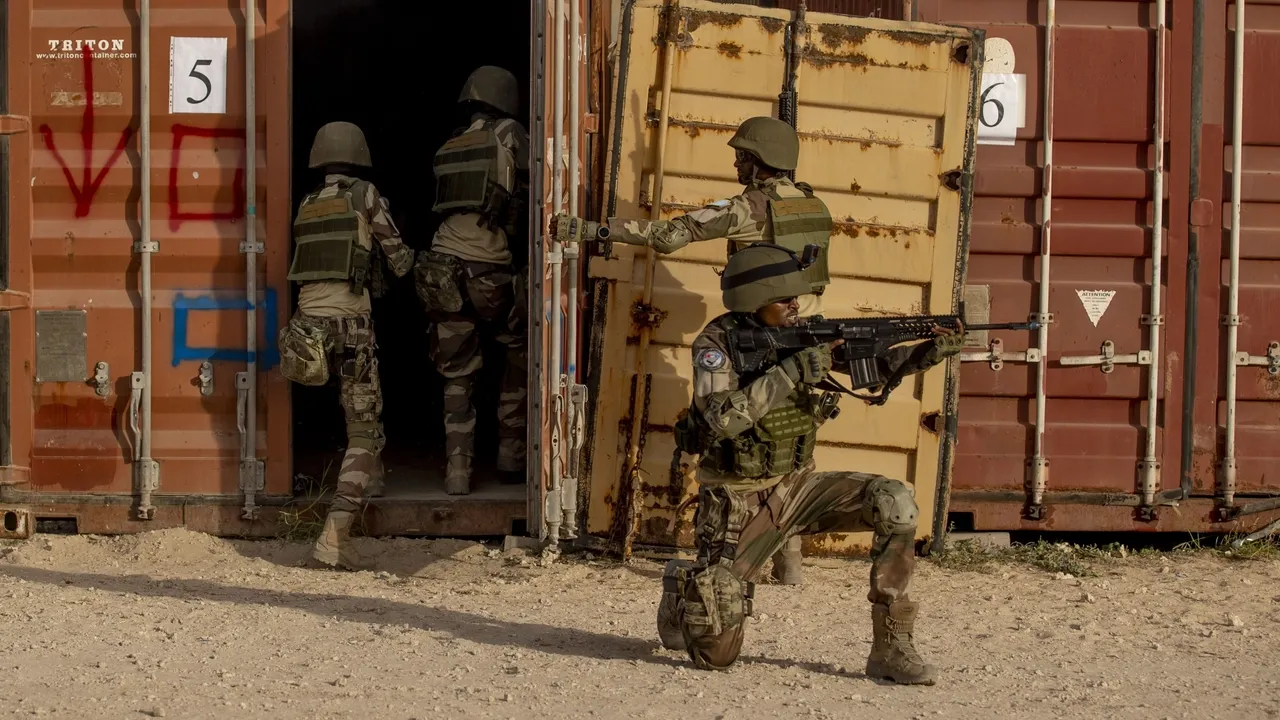
Somali government troops, alongside Ugandan soldiers serving under the African Union Support and Stabilisation Mission in Somalia, have launched a new joint military operation targeting the Islamist militant group Al‑Shabab in southern Somalia.
The campaign, described by Somalia’s Defence Ministry as “Operation Rolling Thunder,” aims to dislodge entrenched Al‑Shabab fighters from strongholds in the volatile Lower Shabelle region, an agriculturally rich area long contested between federal forces and the insurgents.
The offensive marks a significant escalation in the Somali government’s efforts to suppress the decade‑long insurgency that has devastated the country, destabilised neighbouring states, and triggered repeated humanitarian crises.
Somali National Army units and Ugandan troops reportedly advanced on multiple fronts, aiming to dismantle militant logistics hubs and prevent planned attacks against key towns and transport routes. The Ugandan contingent, one of the largest contributors to the African Union mission, has been central to recent joint operations that pushed Al‑Shabab out of rural districts.
Earlier operations in the region have seen government forces, backed by African Union peacekeepers, regain control of strategic districts such as Awdheegle and parts of Hiiraan, although Al‑Shabab continues to mount bombings and ambushes in central and southern Somalia.
While exact casualty figures from the latest offensive have not yet been released, the Somali government has periodically reported dozens of militant deaths in coordinated actions. On Saturday, the Somali National Intelligence and Security Agency said joint operations across Hiran and Lower Shabelle regions killed at least 40 Al‑Shabab fighters preparing attacks on security positions.
International partners, including Turkey and the United States, have bolstered Somali forces in recent months with training, equipment, and intelligence support, which Somali officials said has contributed to battlefield gains.
Despite these efforts, humanitarian analysts warn that intensified military operations risk worsening the plight of civilians in contested areas, where displacement and disruption of basic services remain acute problems.
Al‑Shabab, an al‑Qaeda‑linked extremist group, has adapted its tactics to include suicide bombings, targeted assassinations, and coordinated assaults on military garrisons, most recently near Mogadishu, highlighting the persistent threat it poses even as joint forces make territorial advances.
The offensive comes amid a broader strategy by Somali President Hassan Sheikh Mohamud aimed at exerting sustained pressure on the militants, whom he has vowed to eliminate nationwide. Somali forces have been conducting parallel operations in regions such as Hiiraan and Middle Shabelle to disrupt Al‑Shabab’s ability to regroup and target civilian centres.
The conflict in Somalia remains a source of instability across the Horn of Africa. Militants continue to exploit weak governance and economic hardship to recruit fighters and expand networks, while neighbouring countries such as Kenya and Ethiopia maintain their own security concerns related to cross‑border insurgency activity.