
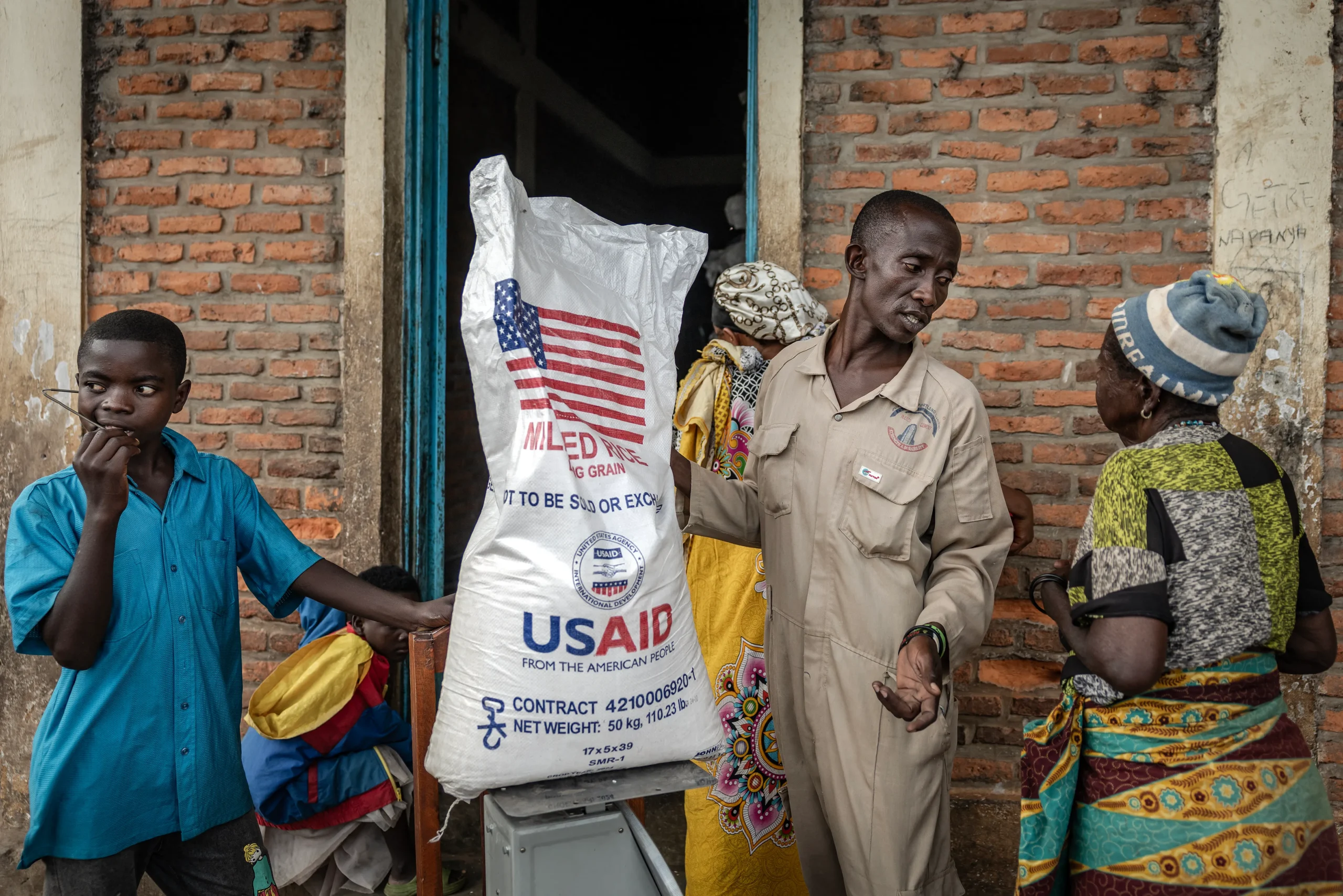
Hundreds of Congolese refugees living at the Busuma camp in eastern Burundi have begun a voluntary journey back to the Democratic Republic of Congo (DRC), marking a significant but cautious step in addressing one of Africa’s largest displacement crises.
The repatriation exercise officially started on Thursday at the Busuma site in Buhumuza province, where early in the morning refugees packed their belongings and boarded buses bound for the border. According to the United Nations refugee agency (UNHCR), the first convoy included around 470 people who crossed into eastern DRC through the Kavimvira border post before continuing to Uvira in South Kivu province.
For many of those leaving, the return represents relief after months of extremely difficult living conditions. Busuma, which hosts the largest concentration of Congolese refugees in Burundi, shelters roughly 67,000 people out of more than 100,000 refugees currently in the country. The camp was set up rapidly following a surge of arrivals in late 2025, when intensified fighting in eastern Congo—particularly involving the M23 rebel group—forced tens of thousands to flee across the border.
Life in the camp has been widely described as harsh and inadequate. Humanitarian organizations have reported severe shortages of food, clean water, shelter, and medical care. Overcrowding has worsened sanitation problems and increased the spread of disease, while health facilities remain overwhelmed. In some of the most alarming reports earlier this year, dozens of deaths were recorded within a short period, highlighting the severity of the crisis.
These conditions have pushed many refugees to consider returning home despite ongoing insecurity in parts of eastern DRC. Some had even previously attempted to leave the camp on their own, driven by desperation, but were stopped by authorities due to the lack of formal repatriation arrangements.
The current operation, however, is organized and supported by UNHCR in coordination with the governments of Burundi and the DRC. Officials emphasize that the process is strictly voluntary and carefully managed. Only refugees who feel safe to return—and whose areas of origin are considered relatively secure—are allowed to participate.
Nearly 20,000 refugees have already registered for the program, suggesting that many more could follow in the coming weeks. However, humanitarian agencies warn that conditions in return areas remain fragile. Assessments in places like Uvira and Fizi show that many returnees arrive to find their homes destroyed or looted, with urgent needs for shelter, food, healthcare, and basic services.
To support reintegration, returning refugees are being provided with assistance packages, including financial aid and essential household items. Aid agencies are also deploying teams at border points and in communities of return to monitor safety and provide emergency support.
The broader context remains troubling. More than eight million people have been displaced within eastern DRC due to ongoing conflict, and over one million have fled to neighboring countries across Africa. Burundi, despite its limited resources, continues to host a significant share of these refugees, placing immense strain on its humanitarian capacity.
While the voluntary repatriation marks a hopeful development for some families eager to rebuild their lives, it also underscores the complex reality facing displaced populations—torn between difficult conditions in exile and uncertain prospects back home.