
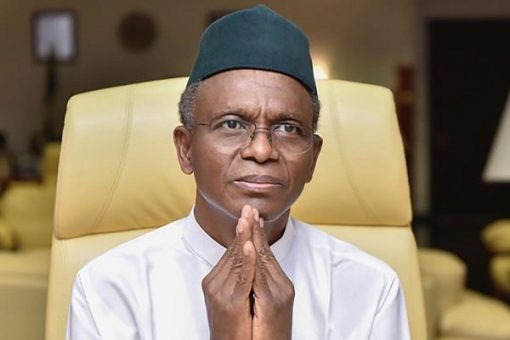
Abuja, NIGERIA – Former Kaduna State Governor, Nasir El-Rufai, was held at the headquarters of the Economic and Financial Crimes Commission (EFCC) in Abuja on Monday night after hours of questioning over an alleged ₦432 billion corruption case. El-Rufai, a leading member of the African Democratic Congress, is also expected to face criminal charges for allegedly spying on the phone of Nigeria’s National Security Adviser, Nuhu Ribadu.
El-Rufai, once a powerful governor and federal minister, he now faces serious legal investigations. Authorities claim that during his eight years as governor, El-Rufai mismanaged public funds and loans, allowing money meant for hospitals, schools, roads, and other projects to be wrongly spent. They say contracts were given without proper checks, state debt grew sharply, and billions of naira disappeared.
The former governor denies the claims. He says all loans and payments were used for real development projects and describes the investigation as politically motivated. He argues that it is aimed at punishing him for criticising the current federal government. But the EFCC has kept him in custody, suggesting it has strong evidence and may file formal charges soon.
The case is complicated by accusations that El-Rufai tapped the phone of the National Security Adviser. Prosecutors say he and his associates secretly listened to Ribadu’s calls, breaking Nigeria’s cybercrime and communication laws. They also say El-Rufai admitted to this in public interviews. If found guilty, he could face prison and fines. This makes the case not only about corruption but also about national security.
El-Rufai has been openly critical of President Bola Tinubu’s government since leaving office. He has questioned government decisions on security, the economy, and policy. This has made him a target for political attacks while also keeping him in the spotlight as an influential figure in northern Nigeria.
The public is divided over the case. Supporters argue he is being unfairly treated for opposing the government. They praise him for improving education and urban development in Kaduna. Critics say no one should be above the law, and the investigation is a chance to hold leaders accountable for misusing public funds.
In Kaduna, citizens, civil groups, and lawmakers are calling for transparency. Many want a full report on how money was spent during El-Rufai’s time as governor. They also want to know if national security was threatened by the alleged phone spying. Experts warn that illegal access to sensitive communications could weaken Nigeria’s intelligence system and public trust in government.
Political analysts say the case could affect Nigeria’s next elections in 2027. El-Rufai has influence over party structures and voters in northern Nigeria. A conviction could weaken his political network, while long legal proceedings could keep him in the public eye and influence political alliances. Some argue that if prosecution fails, it could give the impression that politicians are not punished for wrongdoing.
The timing of the investigation is raising questions. Critics suggest it may be a move to silence a strong opposition voice. Government supporters say it shows that Nigeria is serious about fighting corruption. The combination of corruption and spying allegations makes the case complex, blending law, politics, and ethics into a single high-profile story.
El-Rufai remains in custody as the EFCC and the Department of State Services prepare to take legal action. This could include court hearings, audits of public funds, and witness statements. His lawyers promise a strong defence, saying all funds were used correctly and no laws were broken.
Beyond the courtroom, the case highlights wider issues in Nigeria. It shows how corruption, national security, and politics can collide to create a major public story. The outcome will affect not just El-Rufai’s reputation but also public trust in the government and the rule of law.
The case also raises questions about Nigeria’s anti-corruption efforts. While the EFCC has been active in pursuing high-profile cases, critics argue that prosecutions are sometimes selective or politically motivated. Supporters of the commission say that investigating a former governor shows that no one is beyond the law.
El-Rufai’s detention has already caused public debate and demonstrations. Supporters held peaceful rallies outside the EFCC offices, calling for justice and warning against political persecution. Opponents also gathered, urging authorities to hold him accountable for alleged financial misconduct. The scenes reflect the deep political divisions in Nigeria, where corruption, governance, and political rivalry are closely intertwined.
Analysts say the case could also affect Nigeria’s image abroad. International investors and development partners watch how the government handles corruption and rule of law issues. A transparent legal process could boost confidence in Nigeria’s institutions, while perceived political bias or mishandling could damage trust.
For now, El-Rufai’s future is uncertain. His detention is a reminder that even powerful leaders can face legal scrutiny. Whether he is cleared or charged, the case has sparked debate about politics, accountability, and security in Nigeria.