
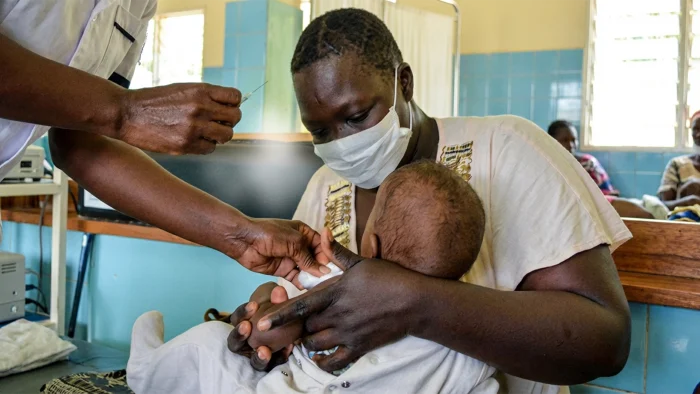
For decades, malaria in Africa was treated largely as a public health crisis rooted in poverty, fragile healthcare systems and poor sanitation. Today, however, it is becoming something far more alarming: a climate emergency with global consequences. Rising temperatures, erratic rainfall, prolonged heatwaves and increasingly destructive floods are expanding mosquito habitats, extending transmission seasons and pushing deadly diseases into regions that were once considered relatively safe.
The consequences are already devastating. According to the World Health Organization (WHO), the world recorded an estimated 282 million malaria cases and about 610,000 deaths in 2025, with Africa accounting for approximately 95 percent of infections and fatalities. Early estimates for 2026 suggest malaria cases are continuing to rise across several African countries due to flooding, extreme heat and weakened health systems. Children under five still represent nearly three-quarters of malaria deaths across the continent. Nigeria alone accounts for almost 27 percent of global malaria cases and more than 30 percent of deaths, making it the country most affected by the disease.
Yet malaria is no longer the only mosquito-borne threat intensified by climate change. Across Africa, warming temperatures and changing rainfall patterns are also driving the spread of dengue fever, chikungunya, yellow fever and Rift Valley fever. Heat and humidity are creating ideal breeding conditions for mosquitoes in both rural and urban areas, while rapid urbanisation and poor drainage systems are leaving millions exposed to stagnant water where mosquitoes thrive.
The relationship between climate and disease is neither speculative nor distant. Mosquitoes are highly sensitive to environmental conditions. Even small increases in temperature can accelerate the life cycle of mosquitoes and the parasites or viruses they carry. Warmer nights allow mosquitoes to survive longer, increasing the likelihood that they infect humans. Heavy rainfall and flooding create stagnant pools of water that become breeding grounds, while droughts often force households to store water near homes, unintentionally supporting mosquito reproduction.
Scientists are increasingly warning that climate change could erase decades of progress in malaria control. Research published this year in BMC Public Health found that rising temperatures combined with increased humidity and shifting rainfall patterns are significantly influencing malaria transmission across sub-Saharan Africa. Another study published in Nature projected that millions of additional malaria cases could emerge across Africa over the coming decades if global warming continues at its current pace.
What makes the situation especially dangerous is the geographic expansion of these diseases. Highland regions in East Africa, where cooler temperatures historically limited mosquito survival, are now recording more frequent outbreaks. Health experts from 19 African countries warned in a recent Malaria Journal commentary that climate change is extending malaria transmission seasons and spreading infections into mid-altitude urban regions that previously experienced lower disease burdens.
At the same time, extreme weather disasters are multiplying the crisis. Cyclones, floods and heatwaves are destroying fragile health systems already struggling with underfunding and staff shortages. Floodwaters wash away roads and clinics, disrupt medicine deliveries and force displaced populations into overcrowded shelters where disease spreads rapidly. A major modelling study released in 2025 estimated that climate-related disruptions could cause an additional 123 million malaria cases and more than half a million deaths across Africa between 2024 and 2050 if current control measures remain unchanged.
Importantly, researchers found that extreme weather events themselves, not just rising temperatures, would drive much of the increase. This highlights how climate change amplifies health risks through multiple pathways at the same time, including environmental destruction, food insecurity, migration and collapsing healthcare access.
The burden extends far beyond malaria. Dengue fever, once considered less common in many parts of Africa, is becoming more widespread as temperatures rise. Outbreaks have been reported more frequently in countries such as Kenya, Ethiopia and Sudan. Chikungunya, another mosquito-borne viral disease linked to warming climates, has also spread more aggressively in parts of East and West Africa, causing severe joint pain and long-term disability for many survivors.
Heat itself is becoming a major public health threat. Extreme temperatures increase dehydration, kidney disease, cardiovascular stress and heatstroke, particularly among outdoor workers and low-income populations without reliable electricity or cooling systems. Hotter conditions also worsen air pollution and contribute to the spread of waterborne diseases such as cholera after floods contaminate drinking water supplies.
The climate crisis is therefore exposing a profound global inequality. Africa contributes only a tiny fraction of historic greenhouse gas emissions, yet it is suffering some of the harshest health consequences of global warming. Communities already struggling with hunger, conflict and economic hardship are now confronting expanding disease threats with limited resources to respond.
Meanwhile, the global fight against malaria is facing growing pressure. WHO has warned that resistance to antimalarial drugs and insecticides is threatening recent gains. Funding shortages are widening as donor countries reduce development assistance amid economic uncertainty and geopolitical tensions. Health experts warn that declining international support could trigger major malaria resurgences across vulnerable regions.
There are still reasons for hope. Malaria vaccines are now being rolled out in several African countries, including Nigeria, Ghana and Cameroon. New insecticide-treated mosquito nets and next-generation medicines are showing promising results. In 2026, WHO approved the first malaria treatment specifically designed for babies, a major breakthrough for infant survival in high-risk regions.
But these advances will achieve little if climate shocks continue to outpace public health responses. African governments are increasingly calling for climate-sensitive healthcare planning, including stronger disease surveillance systems, climate-informed malaria forecasting, flood preparedness and resilient healthcare infrastructure capable of functioning during extreme weather disasters. Local scientists and research institutions must also receive stronger support so African experts can lead the response to evolving disease patterns on the continent.
Responsibility, however, cannot rest with Africa alone. The countries most responsible for historic carbon emissions must recognise that climate finance and global health security are inseparable. Climate adaptation is not only about renewable energy or flood barriers. It is also about vaccines, mosquito nets, functioning clinics, clean water systems and emergency disease response.
A child dying from malaria in northern Nigeria or rural Mozambique is no longer simply the victim of a mosquito bite. Increasingly, that child is also a casualty of a warming planet.
The malaria crisis illustrates a wider truth about climate change: its deadliest impacts are often indirect and invisible. The climate emergency does not arrive only through droughts, wildfires or rising seas. Sometimes it arrives silently, carried on the wings of a mosquito into communities already pushed to their limits.
Unless governments treat malaria and mosquito-borne diseases as both health emergencies and climate emergencies, Africa risks losing decades of progress. The fight against malaria can no longer be separated from the fight against climate change. They are now inseparable battles for survival.